
There’s a point in the year when a team feels it. A sense of disconnection, not from a lack of effort, but from the simple, steady pace of work. Daily tasks can fill every available space, leaving little room for the quieter connections that hold a group together.
It’s a common feeling, and one that many leaders I see here are trying to address. They are not looking for loud activities or forced fun. They are looking for space, a chance for their teams to breathe and reconnect on a more human level, often with the river just outside as a quiet backdrop.
The most effective gatherings I have seen are rarely about grand gestures. Instead, they are about creating the right conditions for people to remember why they enjoy working together in the first place. These are a few of the approaches that seem to work, grounded in what I have watched unfold here.
What if we need to get outside?
Some teams find their rhythm not in a conference room, but on the water or along a trail. An adventure-focused retreat uses shared physical challenges to build trust and reveal how a team communicates under pressure. It’s less about athletic ability and more about navigating a new environment together. Here, with the Mississippi River just outside our doors, this idea feels natural.
I have seen how a morning spent kayaking or navigating a local hiking path can shift a group’s entire dynamic. The formal roles from the office fade, and new leaders and supporters emerge. It moves collaboration from a theoretical concept to a practical, lived experience. The lessons learned often translate directly back to the workplace.
What I’ve seen work
- A typical agenda includes a half-day of guided outdoor activity, like a group kayaking journey on the Mississippi, followed by a facilitated debrief session back at the hotel.
- We often connect teams with trusted local partners like River Action or area outfitters who handle all equipment and safety instruction.
- This approach works well for teams looking to break down communication barriers or integrate new members in a meaningful way.
- A common concern is the weather. It helps to have a parallel indoor agenda, like a strategic problem-solving workshop, that can be implemented if needed.
What if we just need to focus?
Sometimes the most effective way to move forward is to step away. A strategic planning offsite gives leadership teams the space to align on vision and tackle major initiatives without the constant pull of daily operations. It’s an intentional pause, designed to foster deep thinking and clear decision-making in a new environment. Here, with the quiet backdrop of the river, that clarity often comes more easily.
I've observed that when a team leaves their familiar office, the conversations change. The focus shifts from immediate tasks to the bigger picture. These gatherings create a dedicated container for high-stakes planning. The structured time away ensures that strategic work gets the undivided attention it deserves, leading to actionable plans that have buy-in from the entire leadership group.
What I’ve seen work
- A 1.5-day offsite might include a full day of facilitated workshops, followed by a private dinner. The second morning is often reserved for finalizing action items.
- It helps to bring in professional facilitators who can design and guide the agenda, ensuring objectives are met. An outside expert keeps the conversations productive and on track.
- This retreat is ideal for executive teams or department heads needing to align on annual goals, navigate organizational change, or develop long-term strategies.
- The environment is structured to minimize distractions, with dedicated meeting spaces and coordinated catering, which helps maintain focus.
What if our team is feeling tired?
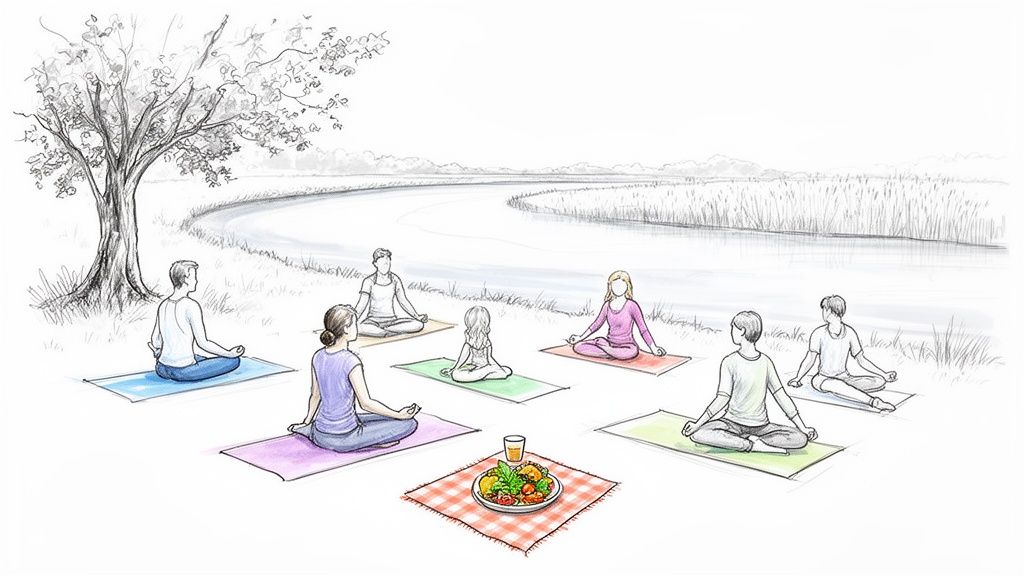
Sometimes the most productive thing a team can do is slow down. A wellness and mindfulness retreat is built around this idea, using practices like guided meditation, yoga, and stress-reduction workshops to help people recharge. The goal isn’t just to relax, but to equip the team with tools to manage stress and improve focus back in the office. Our quiet setting by the river provides a natural backdrop for this kind of restorative work.
I’ve observed that when a team is given permission to focus on their own well-being, even for a day, their interactions become more intentional and patient. By stepping away from the constant pressure of deadlines, they reconnect with each other on a more human level. This approach addresses the root cause of many workplace challenges: burnout. A team that feels supported in their well-being is often more resilient.
What I’ve seen work
- The day might begin with a gentle yoga session overlooking the Mississippi, followed by a workshop on mindfulness techniques and a healthy, chef-prepared lunch.
- We can coordinate with certified local wellness coaches and yoga instructors who lead sessions tailored to your team’s experience level.
- This is well-suited for teams experiencing high-stress levels or burnout, or for organizations wanting to build a more supportive and calm company culture.
- Activities are designed to be flexible. If an outdoor yoga session is planned and weather is an issue, we have serene indoor spaces with river views that provide an equally peaceful environment.
What if we need new ideas?
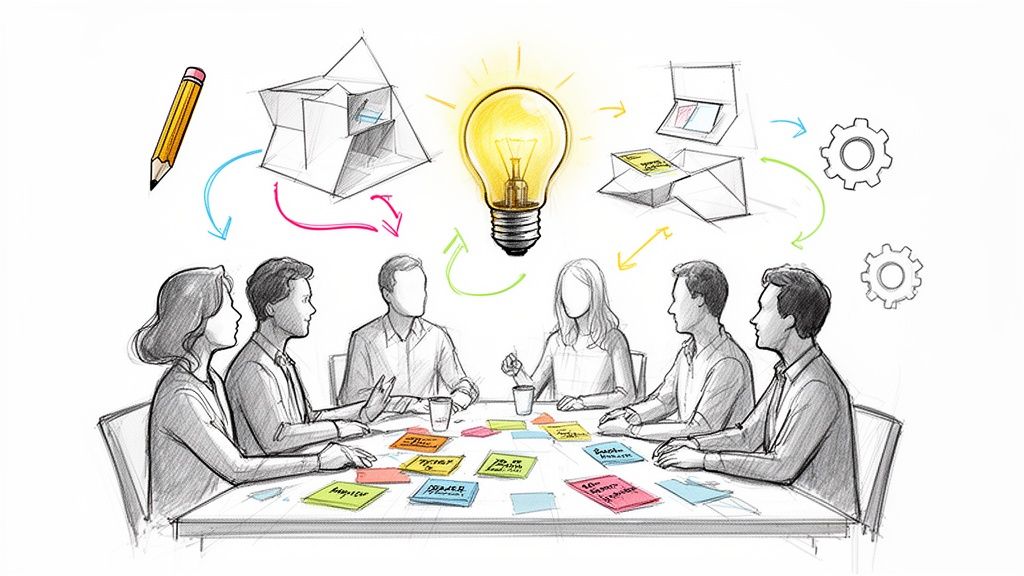
Sometimes, the best way for a team to move forward is to step back and think differently. A creative and innovation workshop is designed for just that. It exchanges routine tasks for structured brainstorming, design thinking challenges, and collaborative problem-solving. This isn't about finding one right answer, but about generating many new possibilities.
I’ve seen how dedicating a day to a specific challenge, guided by a skilled facilitator, can unlock ideas that were just below the surface. When roles are mixed and everyone is encouraged to contribute—from the newest hire to the senior leader—the team discovers its own capacity for innovation. This approach provides both the space and the tools to think in new ways.
What I’ve seen work
- The day often starts with defining a core challenge, followed by sessions on brainstorming techniques. The afternoon is dedicated to small-group work on solutions, ending with a group presentation.
- We can coordinate with professional innovation consultants and design-thinking facilitators who know how to lead these workshops effectively.
- This is helpful for product development teams, marketing groups, or any organization facing a challenge that requires fresh thinking.
- The primary risk is a lack of focus. It helps to work with the facilitator beforehand to establish clear, concise problem statements so the team's energy is directed toward a meaningful goal.
What if we need to motivate our sales team?
For teams driven by relationships and results, a retreat can be a powerful tool for more than just internal bonding. A sales and client-focused retreat blends skill development, recognition of achievements, and genuine relationship-building. It’s a chance to step away from the daily metrics and focus on the human connections that fuel growth.
I’ve seen how bringing a sales team together in a new environment sharpens their focus. When they celebrate wins as a group and strategize for the next quarter without the usual office distractions, something shifts. This approach helps connect team morale to business outcomes.
What I’ve seen work
- The schedule often includes a mix of training workshops, pipeline planning sessions, and an awards dinner to recognize top performers.
- It can be effective to bring in industry speakers or respected sales trainers who can lead a keynote session or an intensive workshop.
- This is ideal for sales organizations aiming to motivate their team, align on future goals, and deepen relationships with their most valued clients.
- If a guest speaker or key client has a last-minute cancellation, it's good to have a backup plan. A planned workshop can be expanded, or an impromptu team competition can be arranged to ensure the time remains productive.
What if we need to talk about our culture?
A retreat can be a powerful setting to move beyond mission statements and truly explore company culture. A retreat focused on values creates a dedicated space for conversations about inclusion, belonging, and how a team’s actions align with its stated principles. It is about building a foundation of psychological safety where everyone feels seen and respected. This addresses the core of how people experience their work.
I have seen that when a team steps away from daily tasks to have these conversations, the results are profound. It is not just about workshops; it is about shared understanding and genuine commitment. The goal is to make abstract values like respect and equity tangible in day-to-day interactions.
What I’ve seen work
- This often takes the form of a full-day session led by an external facilitator. The day might include workshops on unconscious bias or collaborative sessions to define actionable cultural commitments.
- Bringing in a neutral, expert voice is key. We can connect you with skilled consultants who specialize in facilitating these sensitive discussions with professionalism and care.
- This is helpful for leadership teams committed to building a more inclusive culture or growing companies wanting to define their values.
- To keep everyone engaged, it's useful to have different breakout spaces for small group discussions. Unique catering options, like specialized food stations, can also make the day feel thoughtful.
What if our departments don't talk to each other?
Sometimes the most significant barriers in a company are not external, but internal. A retreat focused on cross-departmental collaboration is designed to intentionally break down the silos that naturally form between teams. It shifts the focus from individual team goals to shared organizational success.
I have observed that when you remove people from their day-to-day context, the titles and department labels begin to fade. A shared project or a facilitated conversation here can realign teams that have been drifting apart. This approach can directly address organizational health, improving how information flows and how people work together.
What I’ve seen work
- The day often starts with departments presenting their key goals and challenges, followed by structured, cross-functional workshops and a group dinner to encourage informal networking.
- We can coordinate with professional facilitators who specialize in organizational development. They guide conversations and ensure the sessions are productive and psychologically safe.
- This is well-suited for growing companies experiencing communication breakdowns or organizations preparing for a major strategic shift.
- A common concern is that conversations can become stuck on old issues. A skilled facilitator is important here. They can navigate difficult topics and keep the focus constructive.
What if we need to reconnect with our customers?
A retreat can be a powerful way to turn your focus outward, toward the people your work serves. A customer-focused retreat aligns the entire team on what service excellence truly means, moving it from a metric to a shared mission. It is about understanding the customer experience so deeply that it informs every internal decision.
I have observed that when a team immerses itself in customer stories and feedback, their work gains a renewed sense of purpose. The daily tasks connect back to a real person. This builds empathy and aligns the group around a common goal that exists outside the walls of the office.
What I’ve seen work
- The day might start with a review of customer case studies, followed by role-playing workshops. Sometimes, customers join via video call to share their experiences live.
- We can connect you with facilitators who specialize in service excellence training to guide your sessions.
- This is helpful for service, support, and operations teams, or any company looking to build a customer-centric culture.
- It helps to end the retreat by having the team collaboratively write thank-you notes or create a small appreciation gift for key customers, turning intention directly into action.
What if our team needs new skills?
Sometimes, the most impactful way a team can connect is by learning something new together. A retreat focused on professional development moves beyond abstract trust exercises and invests directly in the team's capabilities. It’s a practical approach that builds confidence and sharpens skills.
I’ve watched groups arrive for these sessions with a distinct energy. They are not just escaping the office; they are actively building for its future. When a team learns a new project management framework or practices communication techniques, they are creating a shared language and a common toolkit. The outcome is tangible: a more capable and aligned team.
What I’ve seen work
- This is often a full day dedicated to workshops led by an external expert, followed by a group dinner to continue the conversation in a more relaxed setting.
- We can connect you with executive coaches and corporate trainers who can tailor a curriculum to your organization’s specific needs.
- This is useful for organizations investing in employee growth, preparing for future challenges, or aiming to standardize key skills across departments.
- It helps to break up long sessions with short, re-energizing breaks, perhaps a walk along the riverfront, to keep minds fresh.
What if we just need to celebrate?
Sometimes the most productive thing a team can do is simply celebrate together. A retreat focused on company culture and team bonding is about recognizing achievements and giving everyone space to connect without the pressure of a specific problem to solve. It’s a chance to step back and appreciate the people behind the progress.
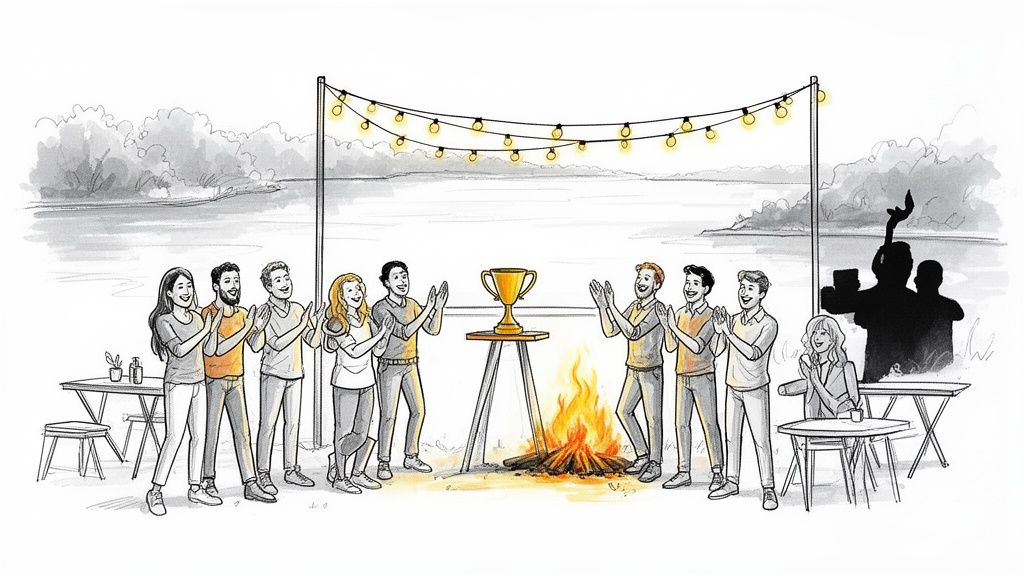
I have watched companies use this time to mark a big milestone or simply to recharge their collective spirit. It’s less about a formal agenda and more about creating an atmosphere of appreciation and camaraderie. This addresses a core human need: to feel valued and part of a community. A celebratory dinner in our riverfront space or a simple awards ceremony can rebuild morale.
What I’ve seen work
- The focus is on a mix of structured recognition and unstructured social time. This might include a morning address from leadership, followed by an afternoon of lawn games and an evening awards dinner.
- We can coordinate with local photographers to capture the event or bring in live music for a relaxed, celebratory atmosphere.
- This is ideal for teams celebrating a major achievement, companies marking an anniversary, or any organization looking to boost morale.
- It's important to plan activities that are accessible to all physical abilities and personalities, with optional quiet spaces for those who prefer them.
A quick comparison of these approaches
| Retreat Type | What It Feels Like | Best For | A Key Thing to Remember |
|---|---|---|---|
| Adventure & Outdoor Challenge | A shared physical journey | Breaking down barriers and building trust | Always have a weather backup plan |
| Strategic Planning & Leadership | An intentional, focused work session | Making big decisions and aligning on goals | An expert facilitator is essential |
| Wellness & Mindfulness | A quiet, restorative pause | Addressing burnout and building resilience | The goal is skills, not just relaxation |
| Creative & Innovation Workshop | A structured brainstorming session | Generating new ideas for a specific problem | A clear, defined challenge is needed |
| Sales & Client Relationship | A motivational and skill-building event | Energizing a sales team and celebrating wins | Blending training with recognition works well |
| DEI & Values Alignment | A deep, meaningful conversation | Building a more inclusive and respectful culture | Requires skilled, sensitive facilitation |
| Cross-Departmental Collaboration | Breaking down internal walls | Improving communication between teams | Needs a neutral guide to be productive |
| Customer Success & Service | A session focused on empathy | Reconnecting the team with its purpose | Involving real customer stories is powerful |
| Professional Development & Skills | A collective learning experience | Investing in the team's capabilities for the long term | The skills should be immediately applicable |
| Company Culture & Celebration | A genuine thank you | Recognizing milestones and boosting morale | The focus is on appreciation, not a heavy agenda |
What teams remember most.
After the schedules are put away and everyone has returned to their routines, what I’ve seen is that teams don’t talk about the PowerPoints or the structured exercises. They talk about the unexpected conversation over breakfast, the shared laugh during a difficult challenge, or the quiet moment watching the barges move down the Mississippi.
The true value of a retreat isn't found in a perfectly executed agenda. It comes from the space created between the planned activities. It's in the small, unscripted interactions where colleagues see each other as people first. That is where trust is built and where a group starts to feel more like a cohesive team.
A well-planned retreat does one thing above all else: it removes the noise of the everyday. It takes people out of their familiar patterns and gives them a different backdrop for conversation. Whether your team is navigating a strategic planning session or learning a new skill, the environment itself becomes a tool. Here, overlooking the river, the pace feels a little slower. It encourages a different kind of focus.
The most successful retreats I've observed are the ones that help people feel seen, heard, and appreciated as individuals. The goal isn’t to manufacture a memorable moment. It is simply to create the space where one can happen naturally. When that happens, the team connection takes care of itself.
When you are ready to create that space for your team, we are here to help. The Merrill Hotel provides a calm, focused setting where connection happens naturally. You can learn more about hosting your retreat with us at The Merrill Hotel.