
The night before the wedding has a distinct mood. The schedule is set. People have arrived. The pressure starts to soften.
That is why the rehearsal dinner carries so much weight.
It gives families a quieter place to connect before the ceremony pulls everyone into a faster rhythm. It lets the wedding party settle in. It gives the couple one more chance to host with intention before the formal celebration begins. It also adds another line to the budget, and that is usually where the hesitation starts.
A good budget does not require a stripped-down experience. It asks for clearer choices. Guest count, timing, service style, and menu shape the cost more than couples often expect. The strongest rehearsal dinners feel curated. They leave out what does not add value and protect what guests remember, which is comfort, warmth, good food, and an easy room to be in.
That matters even more for couples planning a destination-style weekend in the Midwest. Many Chicago-area couples look outside the city because they want the polish of a luxury setting without paying for extras that do not improve the experience. A riverfront property like The Merrill Hotel can support that balance well. The setting already does part of the work. Service feels elevated. The event can stay refined without becoming oversized.
That might mean booking a private dining room instead of a larger event space. It might mean choosing brunch, a cocktail-style reception, or a family-style meal that feels generous without feeling excessive. Smart wedding catering menu ideas help couples spend with purpose instead of cutting corners.
Budget and elegance can work together. The difference is intention.
1. Casual Plated Dinner with Limited Menu Options
The room fills quickly. Parents find their seats. The wedding party is hungry. Everyone wants the evening to feel organized and warm, not drawn out. A casual plated dinner does that well, especially when the menu stays tight.
The value here is not in offering less. It is in choosing well. A short, thoughtful menu keeps service smooth, gives the meal a polished shape, and protects the parts guests notice. Good pacing. Good food. A table that feels settled.
Why this works
A limited plated menu suits couples who want the evening to feel easy and intentional. It fits a hotel setting particularly well, where timing, staffing, and room flow matter. Guests sit down. Toasts happen naturally. The night has structure without feeling stiff.
This approach usually works best with a smaller group. Immediate family, the wedding party, and a few close out-of-town guests are often enough to create the right energy. The dinner feels personal. The budget stays easier to control.
That trade-off matters. More choices sound generous, but they often add cost in quiet ways. More prep. More kitchen coordination. More delay between courses. Couples often get a better result by putting their budget into stronger entrée choices, better wine service, or a more attractive private dining room instead of expanding the menu.
A property like The Merrill Hotel supports that approach well. The setting already feels elevated, which means the dinner can stay simple and still read as refined. That is often the smarter version of luxury for Chicago-area couples planning outside the city. They are not cutting corners. They are curating the evening.
What to be careful about
The biggest mistake is giving this dinner the shape of a full restaurant service. Once guests are choosing from a long list or ordering freely, the event loses efficiency and the kitchen loses predictability.
Keep the format disciplined.
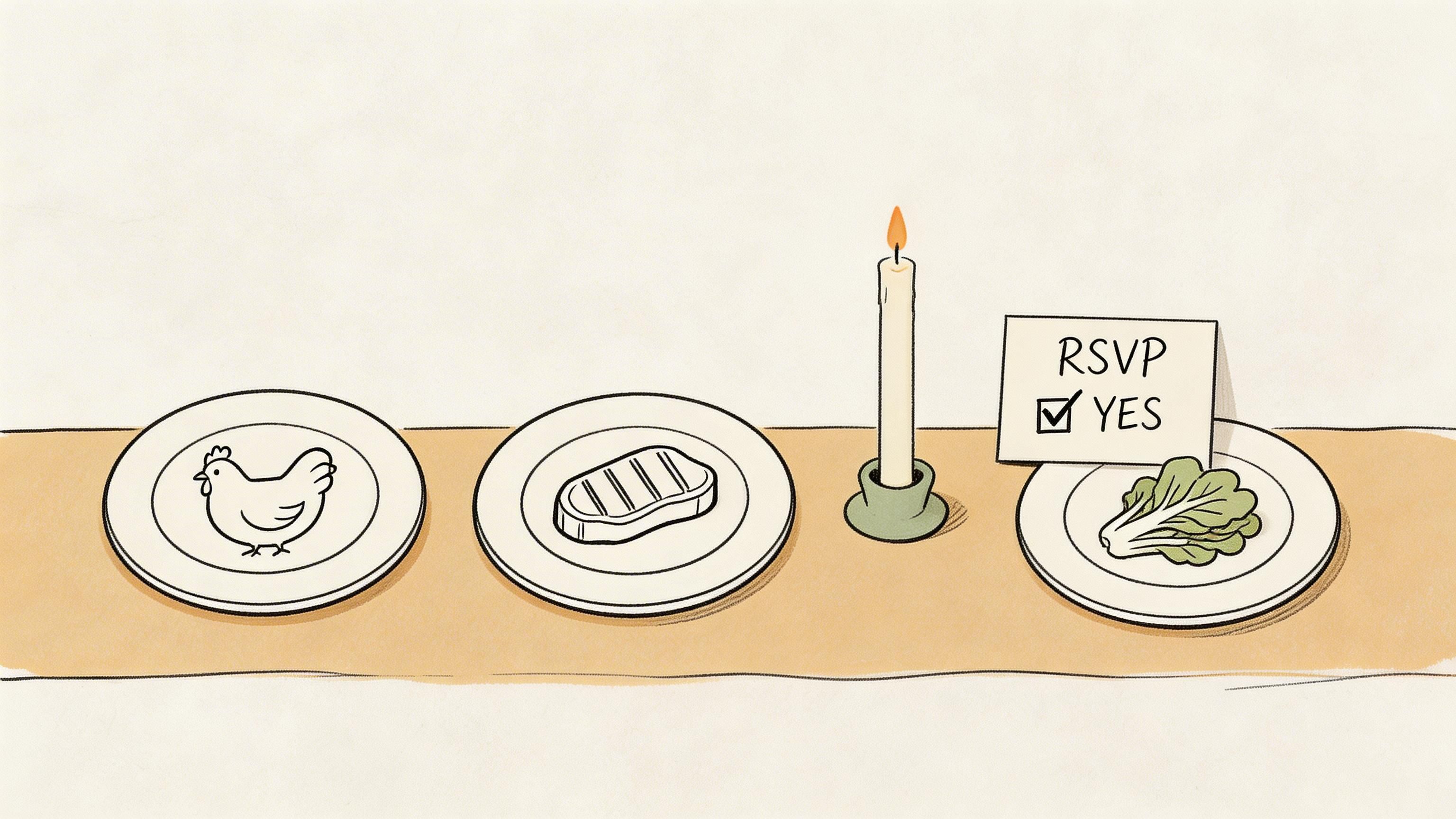
- Offer two entrées. That usually feels sufficient. Add a vegetarian option if needed.
- Collect meal selections in advance. Early RSVPs help the kitchen plan and help service stay on time.
- Use menu language carefully. A short menu still feels special when each dish sounds considered.
- Limit bar complexity. Wine, beer, and one signature drink often fit the tone better than a full bar.
A shorter menu often feels more generous because the experience stays smooth.
If you are narrowing options now, these wedding catering menu ideas for a rehearsal dinner can help you shape a menu that feels edited, not restricted.
A real-world version of this might look like roasted chicken or short ribs, a seasonal salad, one composed dessert, and wine service instead of a full bar. It feels complete. It photographs well. It keeps the evening moving.
2. Rehearsal Brunch or Lunch Instead of Dinner
Friday morning arrives. Families have checked in. The wedding party has not yet slipped into the rush of the weekend. A brunch or lunch rehearsal gathering uses that window well.
It often lowers food and bar costs. It also changes the tone. Guests talk longer. Parents relax. The event feels welcoming instead of packed into the most expensive part of the day.
Why couples choose it
This format works especially well when the wedding weekend is designed around travel. Couples coming from Chicago often want the event to feel elevated without paying city-level dinner pricing for every gathering. A brunch or lunch does that nicely. It feels curated. It gives guests a clear host moment. It avoids the sense that every celebration has to be a formal evening event.
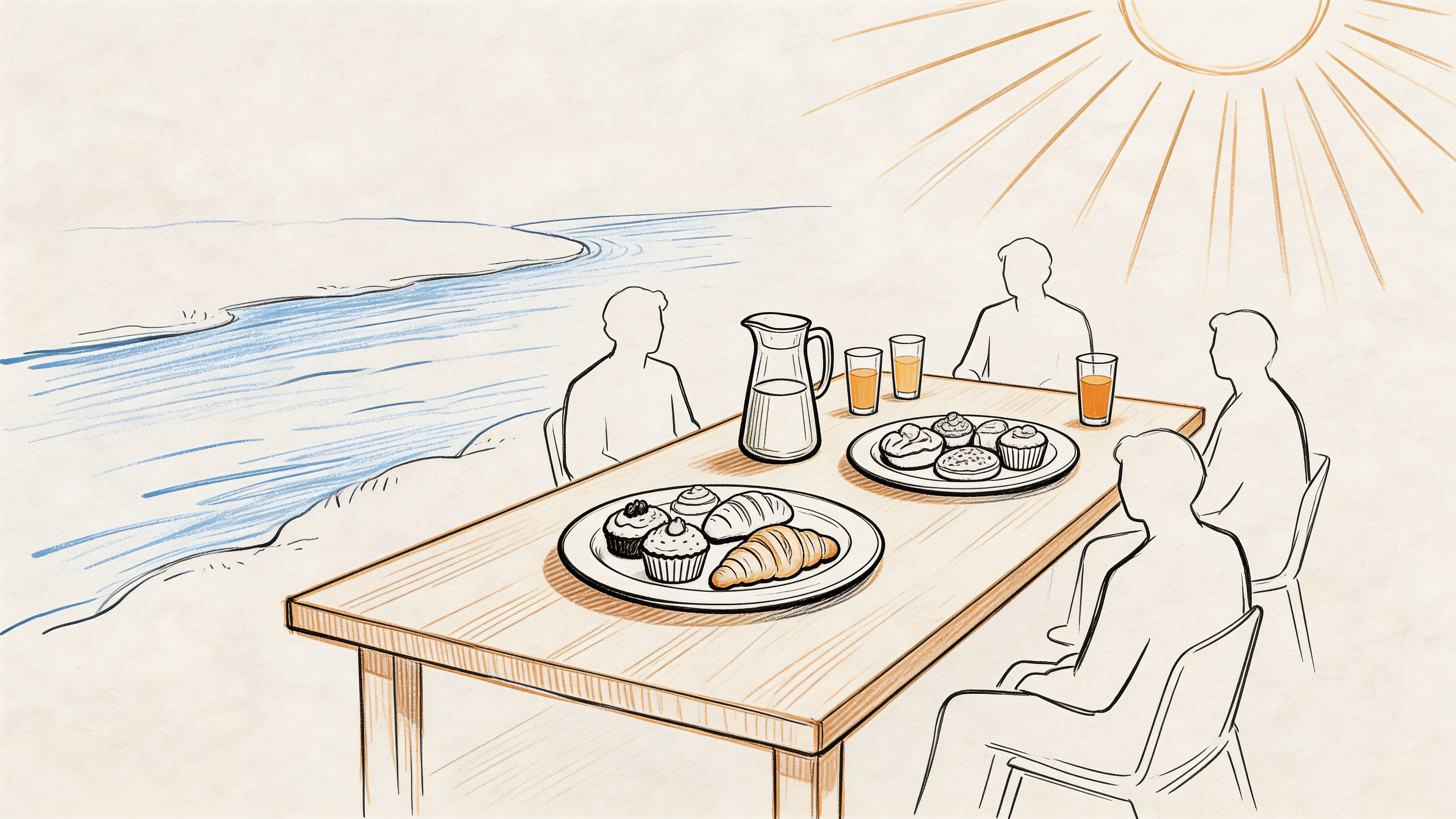
Daylight helps. River views help. A bright private room helps.
At The Merrill Hotel, that combination can carry the experience without heavy décor or a long cocktail bill. That is the value of choosing a setting with polish already built in. Budget becomes an editing tool, not a sign of compromise.
This is also a practical choice for couples hosting in Muscatine, Davenport, Bettendorf, Moline, or Rock Island. Guests who traveled in the night before often appreciate one easy, well-timed gathering more than another late event.
What works best on the menu
Brunch and lunch succeed when the menu feels selective.
Egg bakes, quiche, pastries, fruit, breakfast potatoes, coffee service, and one celebratory drink usually cover brunch well. Lunch can stay just as polished with soup and salad, sandwiches, pasta, or a seasonal buffet. The goal is not abundance in every direction. The goal is enough variety for guests to feel cared for, with a service style that stays simple for the host.
A few formats tend to work especially well:
- Late-morning brunch: Coffee, pastries, eggs, fruit, and mimosas or sparkling wine.
- Early afternoon lunch: Salad, sandwiches or pasta, one dessert, and iced tea or wine.
- Welcome-style midday reception: A lighter buffet with a few passed bites. These cocktail hour food ideas for wedding events can help if you want the meal to feel social rather than fully seated.
Presentation matters here.
If the meal is framed as the easy, intentional start to the weekend, guests respond to it that way. If it is framed as the cheaper substitute for a dinner, the room feels that too. Language, timing, and setting do a lot of the work.
One version I see succeed often is a Friday brunch after an early rehearsal, followed by a free evening for immediate family or out-of-town guests to explore on their own. Another is a welcome lunch before a Saturday ceremony for couples who want more breathing room later. Both options protect energy. Both can feel elegant. Both support the kind of luxury many couples want, which is a weekend that feels calm, considered, and worth the trip.
3. Cocktail Reception with Heavy Appetizers and No Sit-Down Meal
Some rehearsal dinners feel too rigid when everyone is expected to sit for a full meal. A cocktail-style reception solves that.
It gives guests room to move. It works well when families are meeting for the first time. It also suits couples who want a modern welcome event instead of a traditional dinner.
Why this feels generous
The best version of this is not sparse. It is abundant in a different way.
Passed appetizers, one or two substantial display tables, and a few lounge areas create energy without the labor and structure of a fully seated dinner. This is often a strong choice in an indoor wedding venue, luxury wedding venue, or reception venue where the room itself already carries some visual weight.
For couples watching costs closely, format matters. Zola’s rehearsal dinner cost guide notes that buffet and casual formats can cut costs by 20 to 30% compared with plated service. That same guidance also recommends family-style service and private restaurant rooms with set menus over open ordering, which reflects the same principle. Keep service efficient. Keep the experience full.
How to make it feel like enough
A common mistake is serving beautiful appetizers, but not enough of them. Guests notice when the event is scheduled at dinnertime and the food reads as pre-meal snacks.
A cocktail rehearsal needs substance. Think skewers, sliders, flatbreads, stuffed mushrooms, meatballs, satay, dips, small sandwiches, or a carving station. If there is no seated dinner, people should leave feeling fed.
You can also shape the event around one signature moment. A raw bar, a dramatic charcuterie table, a local cocktail, or a late sweet bite can make the evening feel more designed.
If you want ideas that fit this style, these cocktail hour food ideas are useful for building a menu that feels polished without becoming expensive.
Call it a welcome cocktail reception, not a light dinner. Framing changes expectations, and expectation shapes guest experience.
This style also fits couples using a cultural wedding venue or large wedding venue for a multi-event weekend. For example, an Indian wedding venue near Chicago might host several gatherings across multiple days. In that case, the rehearsal event does not need to carry the weight of a full formal meal. It just needs to set a warm tone and keep guests comfortable.
Done well, this can feel fresh, social, and elevated.
4. Build-Your-Own or Family-Style Dinner Station
If plated service feels too formal and a cocktail party feels too loose, this is usually the middle ground that works.
Interactive stations and family-style platters create movement, but they still feel like a real meal. Guests have choices. The room stays relaxed. And the atmosphere becomes naturally communal.
A taco bar is one of the clearest examples. So is a pasta station, barbecue spread, or a few large platters passed around the table. These formats are popular for good reason. They feel easy without feeling careless.
Why it fits a budget
Food and beverage usually take the biggest share of the rehearsal dinner budget. A build-your-own meal controls labor better than plated service and avoids the awkwardness of too many custom requests.
The strongest version keeps the offering tight. One or two stations are enough. More than that can turn the room into a line-management exercise.
Here is the kind of setup that tends to work best:
- Choose one anchor cuisine: Taco bar, pasta bar, or barbecue works better than a mixed-theme spread.
- Keep traffic simple: Clear signage and one obvious flow reduce crowding.
- Support dietary needs naturally: Self-serve toppings and sides make it easier for guests to build around preferences.
Wedding planning guidance from The Knot notes that pizza, barbecue, and taco bars can keep food under $40 per person, and family-style service is often recommended as a practical way to lower staffing needs while keeping the meal warm and social in tone.
This style also suits couples using a large capacity wedding venue for a full weekend but wanting the rehearsal dinner to feel more intimate. The event can happen in a private room, terrace, or smaller event venue space within the property.
A short visual example helps here:
What guests remember
People rarely remember whether the pasta was plated or served from a station. They remember whether they could talk. They remember whether the evening felt stiff or easy.
Family-style service is often especially good for close-knit groups. Platters passed around the table create a rhythm that naturally slows people down. Taco and pasta bars work better when the group is more mixed and mingling matters.
This style can also fit cultural events well. A cultural wedding venue or Indian wedding venue may already be designed for flexible meal service across multiple functions. Stations let you build in familiar flavors and a wider range of preferences without overcomplicating the evening.
The best budget choice is often the one that lets people enjoy each other without noticing the logistics.
5. Weekday Rehearsal Dinner with Hotel Dining Room Discounts
A couple leaves Chicago after work, checks into the hotel, and sits down to dinner without another car ride, venue transfer, or late-night setup. That kind of ease often comes from one simple choice. Hold the rehearsal dinner on a weekday.
Weekday events can open up better room options, more attentive service, and more flexibility with private dining spaces. The savings matter, but the bigger advantage is control. A calmer service window usually feels more polished, even when the plan is modest.
This works especially well at a hotel wedding venue.
If guests are already staying on site, a Thursday dinner feels like the start of the celebration rather than an extra obligation. People arrive, settle in, have a good meal, and get their bearings before the wedding weekend picks up speed. For couples hosting family from Chicago or the surrounding suburbs, that pacing can be more comfortable than trying to fit everything into a crowded Friday night.
There is a practical trade-off. A weekday dinner asks more from guests who need extra travel time or cannot leave work early. The discount only helps if the right people can be there. I usually advise couples to start with the core group, parents, wedding party, and anyone involved in the ceremony, then choose the day that serves that group best.
Weekday timing tends to fit these situations well:
- Hotel-based wedding weekends: Guests stay in one place, so dinner feels convenient and cohesive.
- Couples planning from Chicago: A short trip to a destination property can cost less than a peak-city event while still feeling elevated.
- Multi-event wedding weekends: An earlier rehearsal dinner leaves Friday open for setup, welcome drinks, or family time.
- Larger guest counts for the wedding itself: Keeping the rehearsal dinner smaller and earlier in the weekend reduces pressure on everyone.
The Merrill Hotel is well suited to this approach because the dining room, guest rooms, and event spaces are all in one setting. That does not mean every couple should host there on a Thursday. It means the option is easier to curate well. You can choose a private room, keep the guest list tight, and create an evening that feels intentional instead of stripped down.
If you are weighing timing against total spend, this guide on how much rehearsal dinners cost helps clarify which choices tend to change the budget fastest.
A strong version of this plan is simple. Guests arrive Thursday evening. Dinner starts on time. The menu stays focused. Everyone gets a relaxed night, and the rest of the weekend has room to breathe.
That is what budget-conscious planning should do. It should make the event feel edited, thoughtful, and easy to enjoy.
6. Potluck or Family-Contributed Meal with Venue Setup
The room is set. Tables are dressed. Glassware is in place. Then dinner arrives through family recipes instead of a catering order.
This option works because it feels personal, not because it is cheap. That distinction matters. A family-contributed meal can create one of the warmest gatherings of the weekend, but only if someone treats it like a hosted event with a clear plan.
It fits best with a smaller guest list and families who already cook for one another. In that setting, the meal carries history. Guests recognize a favorite casserole, a regional dish, or a dessert that shows up at every family celebration. The evening feels curated through memory rather than through a formal menu.
The trade-off is labor. Savings on food often shift into coordination, transport, setup, and cleanup. Couples need to decide early whether they want relatives spending that energy on the eve of the wedding.
A venue can make the format feel polished. The food may come from family kitchens, while the setting still comes together with proper tables, chairs, linens, beverage service, and staff support. That is often the difference between meaningful and chaotic. At a property such as The Merrill Hotel, that kind of structure helps a homemade meal feel elevated enough for a wedding weekend.
What makes it successful
Good potluck dinners run on assignments, not assumptions.
- Set dish categories in advance: Give each household a clear role so you do not end up with six desserts and no substantial sides.
- Confirm serving needs: Ask who is bringing platters, warming trays, utensils, and anything the dish requires for service.
- Label ingredients clearly: Allergies and dietary restrictions need more than a handwritten dish name.
- Build in a safety net: One or two simple prepared items, whether from the venue or a local restaurant, can cover gaps without changing the spirit of the meal.
Timing matters too. Families need enough time to arrive, plate food, and settle in before the event starts. If the schedule is tight, stress shows quickly.
This approach can be especially appealing for destination couples who want value without losing character. That includes many Chicago couples planning outside the city. They often want the setting to feel refined, while the dinner itself feels grounded and familiar. A family-contributed meal can do both, if the venue setup carries the visual standard and the food plan stays organized.
It is less effective for a large rehearsal dinner or a crowd expecting a formal evening. Once the guest count climbs, consistency becomes harder to manage and the charm starts to thin out. Other formats usually handle bigger groups with less pressure on family members.
For the right group, though, this is memorable in a very specific way. Guests remember who made what. They remember the stories attached to the dishes. They remember that the evening felt chosen, not stripped down. That value in a budget-minded rehearsal dinner comes from its intentionality from start to finish.
7. Dessert and Drinks Reception Instead of Full Dinner
Not every rehearsal event needs to carry dinner-level expectations.
A dessert and drinks reception can be the right call when the rehearsal happens earlier, when guests have already eaten, or when the couple wants a shorter, lighter gathering before the wedding day. It works especially well for couples who want something social and beautiful without turning the evening into another full production.
Why this can feel elegant
Dessert gives you visual payoff fast.
A pastry display, mini desserts, coffee service, and a few celebratory drinks can make a room feel festive with less cost and less complexity than a full meal. In a luxury wedding venue or indoor wedding venue with strong design, that kind of event often feels naturally finished. You are leaning on atmosphere instead of volume.
This format also pairs well with a reception venue that has lounge seating, a terrace, or a smaller private room. Guests can circulate, chat, and leave at a reasonable hour.
The main rule is communication. If people expect dinner and arrive hungry, the experience falls apart. If they know they are coming to a dessert reception, they settle into it easily.
Where it makes sense
A few situations make this especially effective:
- After an early rehearsal: Guests can eat on their own beforehand and arrive ready to socialize.
- As part of a full wedding weekend: If other hosted meals are already planned, this one can stay light.
- For couples who want a brief event: A shorter timeline protects energy before the wedding day.
This is also a useful choice for destination weekends. Out-of-town guests often appreciate a gentle evening more than another long formal meal. A dessert-and-drinks gathering in a riverfront hotel or event venue near me search result can feel like a warm welcome rather than another obligation.
One practical note matters here. Alcohol can inflate costs. Limiting alcohol to beer and wine or non-alcoholic options can help control beverage spending. That advice applies especially well to a dessert reception, where coffee, sparkling water, wine, and one signature drink usually feel sufficient.
A strong real-world version might include a dessert display, coffee and espresso, one sparkling toast, lounge seating, and a few brief toasts from family. It feels celebratory. It does not overextend the budget. And it leaves the couple with some energy still intact.
8. Casual Outdoor BBQ or Picnic-Style Dinner at Riverside Setting
Some rehearsal dinners are better when they stop trying to be formal.
A picnic-style meal or barbecue can feel generous, local, and relaxed in a way that suits the night before a wedding. In the right setting, it is not a lesser option. It is the right one.
Why outdoor casual works
Location is the biggest factor in rehearsal dinner cost, and broad ranges can run from $1,350 to $4,500 total or $55 to $150 per person for 30 to 50 guests, according to The Knot’s cost breakdown for rehearsal dinners. That is exactly why casual outdoor formats can be so helpful. They let the setting carry the atmosphere.
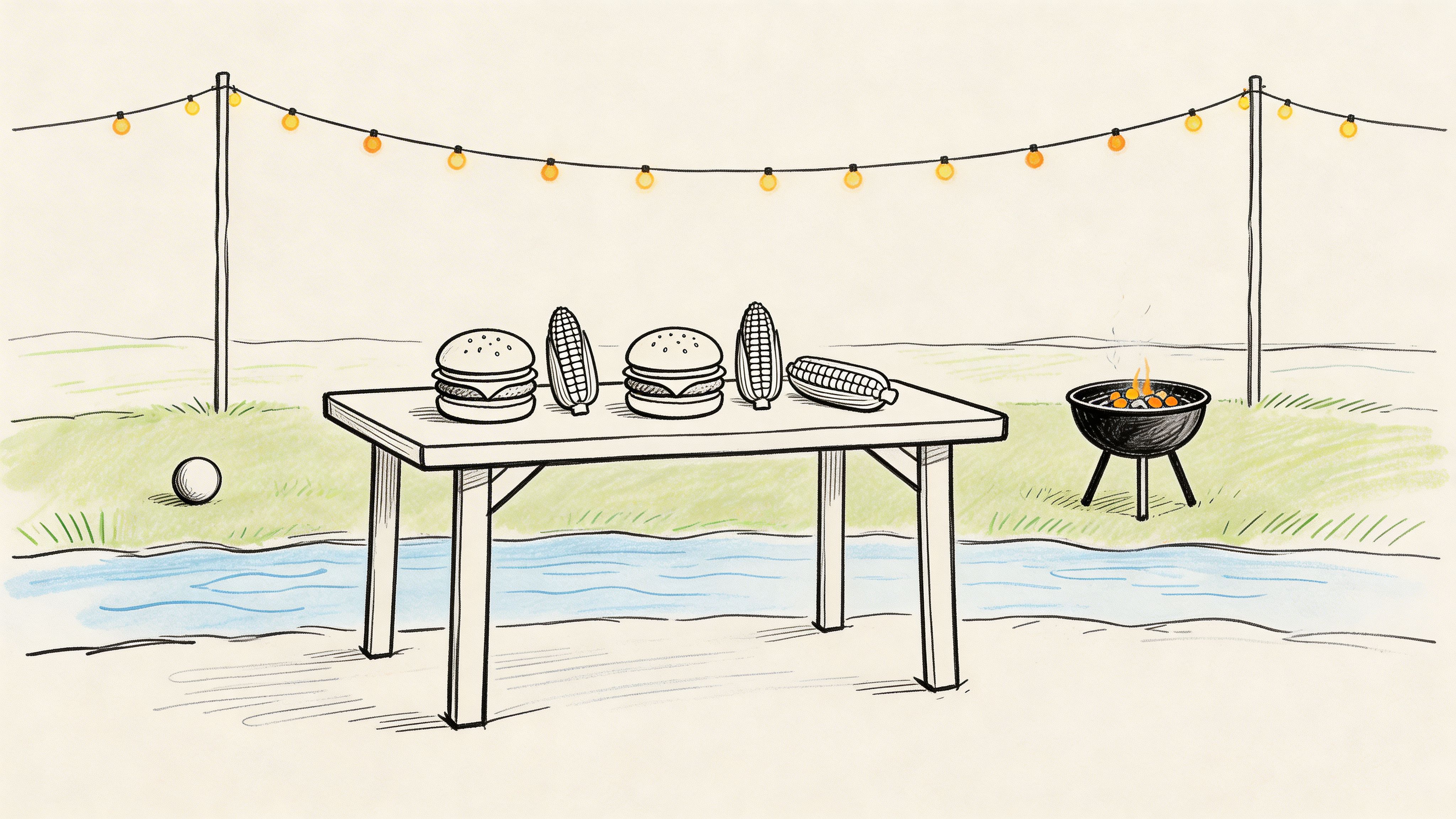
A riverfront patio, lawn, or terrace often needs very little added. String lights, simple florals, and sturdy tables can be enough. If the venue already has a scenic backdrop, couples can spend less on décor and still have a memorable welcome event.
This style is especially appealing for a wedding venue in Muscatine or the Quad Cities, where the river becomes part of the experience. It can also attract Chicago-area couples looking for a destination-style wedding venue that feels different from a city restaurant or standard banquet room.
What works on the menu
Outdoor meals succeed when the food is easy to serve and easy to eat. Barbecue, grilled chicken, burgers, corn, slaws, potato salad, pasta salad, and fruit all fit. Build-your-own plates keep the tone relaxed.
A few details matter:
- Use the venue team for food safety: Casual food still needs professional handling.
- Have a weather backup: Outdoor wedding venue planning should always include an indoor option.
- Limit the menu: A few strong items beat a sprawling cookout spread.
For couples planning large family gatherings, cultural events, or even an Indian wedding venue weekend with multiple hosted meals, a riverside barbecue can be the event that softens the whole schedule. It gives everyone a chance to settle in, eat comfortably, and enjoy the scenery.
One underserved idea in existing rehearsal dinner advice is using a hotel venue with scenic views instead of defaulting to a park or backyard. The business context points out that this kind of integrated hotel approach is often overlooked, even though it can simplify lodging, parking, coordination, and event flow for destination-style weekends. For the right couple, that is not just convenient. It is part of the budget strategy.
Budget Rehearsal Dinner: 8 Options Compared
| Item | Implementation complexity 🔄 | Resource requirements ⚡ | Expected outcomes 📊 | Ideal use cases 💡 | Key advantages ⭐ |
|---|---|---|---|---|---|
| Casual Plated Dinner with Limited Menu Options | Medium – requires RSVP collection and precise kitchen timing | Moderate staff and full kitchen; simplified bar | ~15–20% food cost reduction; refined guest experience | Intimate groups (20–75), boutique venues seeking polished feel | Quality control, reduced waste, efficient plated service |
| Rehearsal Brunch or Lunch Instead of Dinner | Low-Medium – shorter window, scheduling constraints around rehearsal | Light kitchen prep, beverage service; minimal bar | ~30–40% lower costs; shorter service time | Daytime events, destination guests, relaxed gatherings | Natural daylight ambiance, cost- and time-efficient |
| Cocktail Reception with Heavy Appetizers and No Sit-Down Meal | Low-Medium – careful quantity planning and flow management | Fewer servers; emphasis on passed/stationary appetizers and limited bar | ~40–50% lower food costs; high guest mingling and flexibility | Younger couples, mixed guest lists, venues preferring standing events | Cost-effective, no formal place settings, social atmosphere |
| Build-Your-Own or Family-Style Dinner Station | Medium – requires station logistics and clear flow | Station equipment, bulk ingredients, staff to manage lines | ~20–35% savings; flexible dietary accommodation; communal feel | Groups 20–150+, family-oriented or interactive events | Highly adaptable menu, reduced plating labor, memorable experience |
| Weekday Rehearsal Dinner with Hotel Dining Room Discounts | Low – coordination with venue and vendors for weekday timing | Standard catering resources but at discounted rates | ~15–25% total cost savings; better vendor availability | Destination couples using weekday → weekend timelines | Significant discounts, more attentive service, easier scheduling |
| Potluck or Family-Contributed Meal with Venue Setup | High – requires strong communication and coordination | Minimal catering cost; venue provides setup, beverages, cleanup | ~60–75% food cost savings; highly personal atmosphere | Tight budgets, large extended families, rural traditions | Very personal, community-driven, major cost reduction |
| Dessert and Drinks Reception Instead of Full Dinner | Low – short, focused service after rehearsal | Pastry/coffee stations, light bar; minimal service staff | ~50–60% lower cost vs. full dinner; celebratory mood | Evening post-rehearsal events; couples wanting a trendy finish | Customizable, Instagram-friendly, low-cost celebratory option |
| Casual Outdoor BBQ or Picnic-Style Dinner at Riverside Setting | Medium – outdoor logistics and weather contingency planning | Grilling equipment, coolers, minimal staff; backup plan needed | ~30–40% lower cost; family-friendly and informal | Warm months, riverside or lawn venues, casual guest lists | Scenic, relaxed atmosphere with simple, budget-friendly menu |
Your Rehearsal Dinner, Your Way
The best rehearsal dinner ideas on a budget rarely look identical from one couple to the next.
Some people want everyone seated around one table, with a plated meal and a few quiet toasts. Some want a riverside brunch filled with daylight and coffee. Some want a cocktail-style welcome that lets both families mingle without the pressure of a formal program. Others want barbecue, family recipes, or dessert and drinks because that feels more like them.
All of those can work.
What matters is choosing the version that supports the emotional job of the evening. The rehearsal dinner should help people arrive. It should lower the temperature. It should make the wedding weekend feel human again after months of logistics, deposits, and decisions.
That is why “budget” is often the wrong frame if it makes couples think only about what to cut. A better frame is intention. Which pieces of the evening matter most to you? Food quality. Comfort. A beautiful room. Flexible timing. Space for cultural traditions. Ease for out-of-town guests. Once that is clear, the right format usually becomes easier to see.
In practice, the strongest budget decisions are often simple ones. Keep the guest list close. Choose a format that matches the hour. Avoid paying for a full bar if beer, wine, coffee, or a signature drink will do. Use a room that already has character instead of trying to decorate a blank box. Let the venue’s existing strengths carry some of the event.
This is especially relevant for couples comparing venues in Muscatine, Davenport, Bettendorf, Moline, Rock Island, and the broader Quad Cities against options in Chicago and surrounding Illinois markets. A destination-style weekend in a Midwest wedding venue can create more room in the budget without making the event feel smaller. In many cases, it makes the weekend feel more connected because lodging, dining, ceremony spaces, and gathering areas are in one place.
That matters for intimate celebrations. It also matters for large family events, cultural weddings, and multi-day formats. A large wedding venue or cultural wedding venue does not need every event to be formal in the same way. The rehearsal dinner can be the softer, more welcoming counterpoint to the wedding day itself.
The Merrill Hotel is one example of that kind of setting. It offers indoor and outdoor event spaces, on-site lodging, and personalized catering in a riverfront location in Muscatine. For couples who want a wedding venue that can hold the full weekend together, that kind of flexibility can make a rehearsal dinner easier to shape around what matters most.
The first step is not finding the cheapest option.
It is choosing the kind of welcome you want to give.
If you are planning a rehearsal dinner, wedding weekend, or multi-event celebration and want a setting that brings together lodging, catering, and riverfront event spaces, consider starting a conversation with The Merrill Hotel.