
There is a moment, often just after the initial excitement settles, when you realize the planning has quietly begun. It does not always arrive with a grand announcement. More often, it’s a simple conversation about what feels right, what matters most, and what kind of day you both want to remember.
A wedding planning checklist can feel overwhelming at first. I have found it helps to see it not as a list of tasks, but as a series of conversations to have together. It is a framework for finding your footing. This guide is built from that perspective, shaped by watching hundreds of couples navigate this exact path, especially here in Muscatine where the river and the seasons set a certain pace.
We will walk through the major decisions, from the first conversation about a budget to the final details of the day itself. The goal is not to check every box. It is to move through the process with a sense of calm, making choices that feel steady and true. It’s about creating a plan that serves you, not the other way around.
What do we need to talk about first?
Before any calls are made or venues are toured, the most important step is the one you take together. It’s about understanding what the day means to each of you and what you can comfortably invest, both financially and emotionally. I’ve seen that couples who start here move through the rest of their planning with more ease.
This conversation is the foundation. It ensures the day you are building reflects what you both value most, not just what a traditional checklist suggests. It’s about agreeing on your shared priorities before the opinions of others come into the picture.
A shared vision and a budget
Think of this conversation less about numbers and more about the feeling you want to create. Your budget is a tool that provides clarity. It helps you direct your resources toward what truly matters to you both.
Many couples find about 40% of their resources go toward the venue and food. Others might prioritize a photographer over elaborate floral arrangements. There is no right answer, only what is right for you. Starting with this shared understanding prevents many disagreements later on.
It can help to frame the budget talk around what you want to feel that day, not just what you want to have. This shift in perspective can make the process feel more collaborative.
If family members offer to contribute, it’s wise to have a gentle conversation about expectations early. Understanding their wishes, and sharing your own, ensures everyone feels respected. If you are looking for more guidance on this, there are some thoughtful ways to how to approach a destination wedding budget.
How do we choose a wedding date?
Once you know the feeling you want to create, the next quiet decision is when to host it. The date you choose does more than reserve a venue; it sets the entire mood for your celebration. It influences the light in your photos, the flowers on your tables, and how your guests will feel arriving for the weekend.
Here in Muscatine, the seasons have a distinct presence along the river. A summer wedding feels expansive and bright, while an autumn gathering feels intimate and warm. This choice is about finding the atmosphere that feels most like you.
Considering the season and your guests
Think about how a season aligns with your vision. The longer daylight of a June evening offers a different experience than the crisp air of an October afternoon. Each has its own beauty and its own practical considerations.
A summer wedding is lovely, but it’s also peak season. This often means booking your key vendors and venue 12 to 18 months ahead. A winter wedding can offer more flexibility and often allows you to allocate resources elsewhere. The shoulder seasons, like late spring or early fall, provide a beautiful balance.
It can be useful to choose three potential dates across different seasons. This gives you flexibility when you start talking to venues and important family members.
Consider your guests' schedules as well. While avoiding major holidays seems logical, a long weekend can sometimes make travel easier for those coming from a distance. The key is to make a choice that feels right for you first, as that clarity makes navigating everyone else’s needs much simpler.
What should we look for in a venue?
Your venue is more than just a location; it’s the canvas for your entire day. This decision often sets the tone for everything that follows. I’ve seen that once a couple finds the right space, many other parts of their wedding planning checklist begin to fall into place.
The choice of venue anchors your timeline and guest experience. It determines whether your day feels grand and formal or intimate and relaxed. Here in Muscatine, watching the river from our windows brings a sense of calm that many couples are looking for. It’s about finding a place that feels like it belongs to your story.
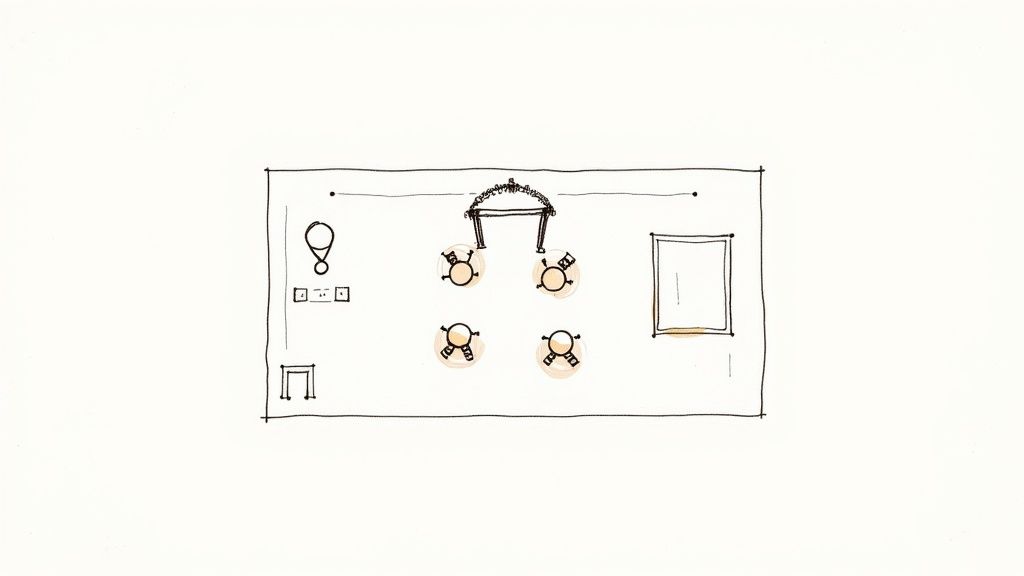
Finding a space that fits your day
Think about how you want your guests to move and interact. A hotel ballroom offers convenience and a seamless flow, while an outdoor garden might encourage mingling. There is no better or worse option, only what suits the day you envision.
For example, a venue with on-site lodging simplifies logistics for guests traveling from places like Chicago or Des Moines. It removes the stress of coordinating transportation. When touring a potential space, it helps to visit at the same time of day as your planned event to see the lighting. Our detailed guide offers more thoughts on what to consider when choosing a wedding venue.
It is wise to ask what is included beyond the room itself. Understanding staffing, table and linen provisions, and setup responsibilities provides a clearer picture of the total investment.
When you review a contract, pay attention to the details on weather contingencies and cancellation policies. Having clarity on these points from the beginning provides a sense of security.
How do we decide who to invite?
The guest list is where the abstract idea of your wedding starts to feel real. It gives your celebration a size and a shape, and it’s a step that touches everything from your budget to the feeling in the room. This part of planning often brings up more questions about family and friendships than you might expect.
It’s less about filling seats and more about deciding who you want to share these moments with. I’ve seen that approaching this task with patience makes all the difference.
Building your guest list together
Think of your guest list not as a single task, but as a series of small decisions. Start with the people you cannot imagine the day without, and build outward from there.
A list of 100 to 150 guests is common, but many couples are finding joy in smaller gatherings, especially for a destination-style wedding where travel is a factor. Your venue choice often provides a natural framework for this decision. If you are interested, we have some thoughts on why smaller weddings can feel different.
A helpful way to think about it is to ask: who will add to the joy of the day? This question can gently guide you through difficult choices with family expectations.
Using a simple spreadsheet is one of the most effective ways I've seen couples manage this. It helps track addresses, RSVPs, and meal choices without becoming overwhelming. For invitations, setting an RSVP date about six weeks before the wedding gives you and your caterer the time needed for accurate final counts.
How do we find a photographer?
After the venue, the people who will capture your day are often the next conversation. Their work will live on for years, shaping how you remember the feeling of the day long after the details have softened. I’ve noticed that when couples find a photographer whose work resonates with them, it brings a sense of calm to the process.
This decision is about more than just pictures; it is about trust. You are inviting someone into the quiet moments of your wedding day. Finding a professional whose presence feels natural is just as important as the quality of their portfolio.
Finding a style and person you trust
Think about what kind of images you are drawn to. Are they candid and journalistic, or more classic and composed? The right photographer for you will have a portfolio that reflects the style you envision.
When reviewing their work, ask to see a full wedding gallery, not just the highlights. This gives you a more realistic sense of how they capture an entire day, from the bright light on our riverfront terrace to the lower light of an evening reception. A budget for photography often sits around 10-15% of your total, but its value is in the peace of mind it brings.
It helps to remember you are choosing an artist, not just a service. An engagement shoot can be a wonderful way to build comfort and see if your personalities work well together before the wedding day.
When you speak with them, discuss their approach to the day’s timeline. A clear contract that outlines deliverables and timelines is essential. Booking 12 to 18 months ahead is common for sought-after photographers, so it’s wise to make this a priority after securing your date.
What should we consider for the meal?
The choices you make around food and drink shape the energy of your reception more than almost anything else. It is about nourishment, but it’s also about how you host your guests and create a sense of shared celebration. This part of your planning a wedding checklist is where warmth comes to life.
The meal provides a natural rhythm to the evening. It’s the time when guests settle in, connect at their tables, and listen to toasts. Getting this right is about understanding how the menu and service style work together to create a comfortable experience.
Choosing your menu and service style
Think about the atmosphere you want to encourage. A formal, plated dinner creates a classic feel, while family-style service can make the room feel more communal. Tastings are less about finding a single "best" dish and more about understanding a caterer's quality and style.
Many couples I work with at The Merrill appreciate how an in-house team already understands the venue’s flow. It simplifies coordination significantly. When you gather dietary needs with your RSVPs, it allows the culinary team to prepare thoughtfully, ensuring every guest feels cared for.
A helpful approach is to think of the meal as part of the event's story. The cocktail hour appetizers set a welcoming tone, the main course is the centerpiece, and a late-night snack can add a fun, final touch.
When discussing options, be sure to clarify all the details. Ask what is included in the per-person cost, such as linens, flatware, and service staff. A clear understanding from the start prevents surprises.
Do we really need a wedding planner?
There often comes a point when the details begin to feel bigger than the day itself. This is usually when couples consider bringing in a professional to help manage the moving parts. A planner is not just about logistics; it’s about restoring a sense of calm.
A planner or coordinator acts as your advocate, ensuring the vendors and timeline all align with your vision. They handle the complexities so you can remain present with each other and your guests. This is a choice many couples make when they want to protect their own experience of the day.
Deciding on the right level of support
The kind of help you need depends entirely on where you are in the process. Some couples benefit from full-service planning. Others find a day-of coordinator is enough to bring everything together in the final weeks. There is no single correct path.
A full-service planner might help you source vendors and manage your budget, while a day-of coordinator ensures the ceremony starts on time. Partial planning can fill the gap between these two, offering guidance on specific areas where you feel overwhelmed.
The most valuable thing a planner brings is experience. They’ve seen what can go wrong and, more importantly, how to quietly solve it before anyone notices.
When you speak with potential planners, pay attention to how you feel during the conversation. Finding the right personality fit is as important as reviewing their portfolio. This person will be a calming presence on a significant day, so it’s wise to choose someone you trust.
How do we decide on music?
The music you choose does more than just fill the silence; it creates the emotional rhythm of the day. From the moment guests arrive to the final dance, your entertainment choice guides how people feel and interact. It’s one of the details that guests remember most clearly.
Couples often think about this step in terms of a band versus a DJ, but the decision is more about the atmosphere you want to build. Are you hoping for an elegant, quiet dinner or a high-energy dance floor? Thinking about the feeling you want helps clarify which type of entertainment will best deliver it.
Finding the right sound for your day
The key is to find professionals who understand how to read a room. A skilled entertainer knows when to play something soft during dinner and when to bring the energy up for the reception. This is true for a string quartet during the ceremony and for a DJ at the end of the night.
A live band can create a vibrant energy. A great DJ offers versatility and a broader song library. For the ceremony itself, a string quartet or a local pianist can add a layer of warmth. This part of your planning a wedding checklist is about matching the sound to the moment.
What I’ve seen is that the best entertainment decisions are made after a conversation. Ask potential entertainers how they handle requests and what their setup requires. It is always helpful to see videos of them at a real event.
It is wise to book your preferred entertainment 9 to 12 months in advance. When you talk with them, be sure to discuss your "must-play" and, just as importantly, your "do-not-play" lists. This simple conversation ensures the soundtrack to your day feels entirely like your own.
How do we bring our style to life?
This is the point where the look of your day begins to take shape. The flowers and décor you choose will transform the space, making it feel entirely your own. It is less about filling a room and more about setting a tone for the celebration.
The right décor makes the day feel personal. From the moment guests arrive, these details communicate the atmosphere you want to create, whether it is abundant and celebratory or quiet and intimate. This becomes the backdrop for your most cherished photographs.
Deciding on flowers and décor
Your floral and décor budget is a reflection of your priorities. A simple, elegant look with minimal arrangements might sit in one range, while a more comprehensive design with full florals may be another.
When choosing a florist, it is helpful to book them about six to nine months before your wedding date. I’ve seen that sharing inspiration photos is the most effective way to communicate your vision. A good florist can then translate those ideas into a design that respects both your aesthetic and your budget.
It can be helpful to think of décor not just as objects, but as the overall feeling of the space. It’s about creating an environment where you and your guests feel comfortable.
Consider asking your florist for a timeline that details delivery and setup. This small detail prevents confusion on the day itself. For couples looking to be more hands-on, incorporating personal elements can be a meaningful way to manage costs and personalize the day.
How do we keep the day from feeling rushed?
Once you have your key vendors in place, the focus often shifts to the smaller, moving parts: what everyone will wear and where everyone needs to be. This is the stage where the day begins to feel real, and also where a sense of overwhelm can set in. Grounding these decisions in a clear timeline brings calm to the final months.
This part of your planning a wedding checklist is less about finding a certain dress or suit and more about creating a rhythm for the day. It ensures that the logistics support the experience, rather than dictating it. The goal is to move through the day with intention.
Weaving attire and timelines together
Think of your attire and your timeline as intertwined. The style of dress, for instance, informs how much time is needed for getting ready. Starting the attire search 8-12 months out allows for a relaxed process.
Coordinating the wedding party’s attire six months in advance provides a similar buffer. This is also the time to begin drafting a master timeline. A simple schedule, starting with hair and makeup and ending with the last dance, becomes the backbone for the day. For example, a 4:00 PM ceremony often means vendors arrive by 3:00 PM, and the day might begin as early as 10:00 AM for the wedding party.
What I've seen is that the most seamless wedding days are not the ones that are rigidly scheduled, but the ones where everyone involved understands the flow. A well-communicated timeline is a gift to your vendors and your wedding party.
Sharing this document with everyone involved helps them feel prepared. Building in small, 15-minute buffers between key moments can also be invaluable. It is the difference between a day that feels hectic and one that feels gracefully paced, allowing space for the unexpected, quiet moments.
Letting the Day Happen
After all the phone calls, decisions, and details, there comes a time to let go. You have moved through every line on your wedding planning checklist, from the foundational budget conversations to the final timeline logistics. Each choice was made with care.
The planning is done. The best thing you can do at that point is to simply be present and trust the day you have created.
Trusting the foundation you built
I have watched hundreds of weddings unfold, and the ones that feel the most joyful are those where the couple is truly with their guests and with each other. They are not managing the day. They are experiencing it.
This is possible because they did the work you just read about. They chose vendors they could rely on. They communicated their vision for the menu, the music, and the flow of the evening. Because of that preparation, they earned the right to step back. It helps to remember that your coordinator, your photographer, and the entire venue staff are there to execute the plan.
What I’ve seen is that the most relaxed couples are not those whose days go perfectly. They are the ones who decided ahead of time that they would accept the day as it came.
The beauty in the unexpected
Things may not go exactly as planned. A bit of rain might fall, or a toast might run a little long. These are not failures. They are simply life, happening.
Often, these are the moments that become the fondest memories. The sudden downpour that sends everyone laughing under an awning. The heartfelt speech from a grandfather that brings tears to every eye. The small, unscripted instances are what give your day its unique texture.
The goal was never a flawless production. The goal was to begin your marriage, surrounded by people you love, in a place that feels like yours. And that will happen. You have built a container for joy, and now it is time to let it fill.
When you are ready to see how a detailed plan comes to life, we are here to walk you through it. The Merrill Hotel specializes in turning a comprehensive wedding planning checklist into a calm, seamless, and personal experience on the banks of the Mississippi. You can see more at The Merrill Hotel.