
When a friend asks you to be her maid of honor, it is a request for a steady hand during one of life’s most crowded and emotional moments. It is an act of deep trust. Most people feel a mix of excitement and quiet overwhelm, wondering what the role truly asks of them.
The truth is, the most important duties are not always found on a list. They are about providing calm, seeing what is coming, and helping your friend arrive at her wedding day feeling supported and present. This guide covers the practical side, from talking with the venue to managing group communication, but it is also about the spirit of the role.
It helps to remember that your job is to be the person who holds onto what truly matters when everything else feels loud. You will learn the concrete tasks, but also the quieter ones, like offering support and simply being a reliable presence. This is meant to give you clarity on both, so you can be the calm anchor your friend needs.
How can I help the wedding day run smoothly?
A wedding day has its own current, a rhythm that begins long before the first guest arrives. As the maid of honor, one of your most grounding roles is to understand this flow. Not to control it, but to move with it. This often starts with a quiet conversation with the venue's coordinator, a person who has seen this same weekend unfold hundreds of times.
This step is less about managing and more about aligning. It is about knowing the venue’s cadence so you can support the bride without getting in the way of the professionals. You become the bridge between the personal moments and the operational ones.
Syncing with the day's rhythm
At a place like The Merrill, where a rehearsal dinner might happen in one room while the ballroom is being set for the next day, this alignment is key. The on-site coordinator knows the timing of catering, the best moments for photos along the riverfront, and how long it truly takes to get the wedding party from the suites to the ceremony space.
What I’ve seen is that the most seamless wedding days happen when the maid of honor has a copy of the same timeline the venue team is working from. It answers questions before they are asked and quiets a lot of the day-of chatter.
By connecting with the venue coordinator four to six weeks out, you gain a sense of the entire weekend’s structure. You can then help the bride build a more personal version that includes buffers. For instance, scheduling photos by the Mississippi during the golden hour while knowing the reception space is being finalized allows everyone to relax. A 15-minute buffer before the ceremony can be a gift, allowing for a quiet moment or a touch-up without causing a delay.
This shared timeline is a foundational piece of a calm wedding day. It’s a practical tool that helps you fulfill your responsibilities with grace, ensuring the day feels steady for the bride and for you.
How do I keep the bridesmaids organized?
There’s a moment after the bridesmaids have been chosen when a quiet sense of responsibility settles in. As the maid of honor, you are not just a participant. You become the gentle current that guides the group, ensuring everyone feels connected, informed, and ready to support the bride.
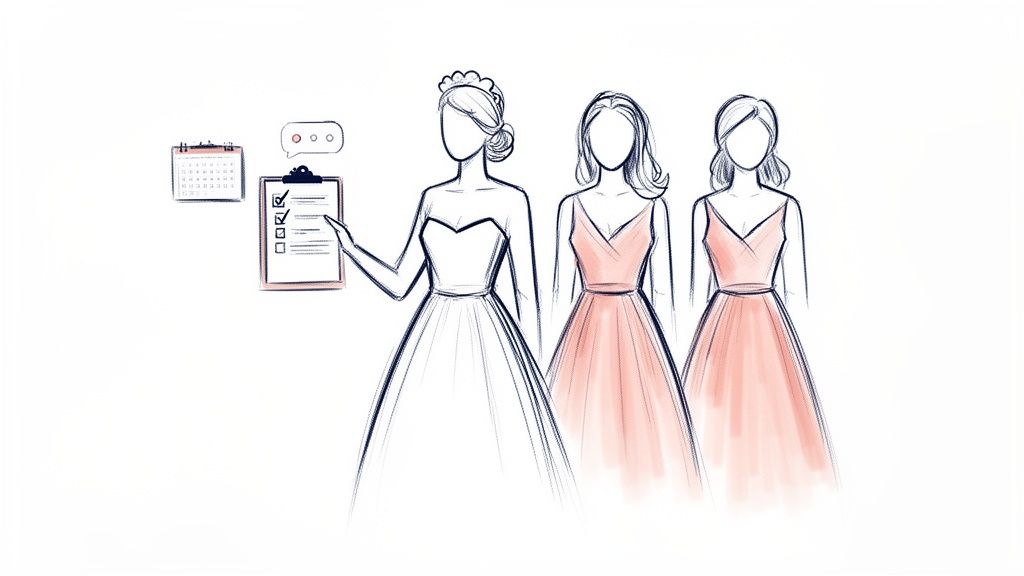
This role is less about authority and more about creating a single point of clarity. You become the person who holds the map so the bride does not have to. Your leadership ensures that small logistics, from dress fittings to weekend timelines, are handled with grace. This frees the bride to focus on the bigger emotions of the day.
How do I keep everyone on the same page?
A simple group chat or email thread, started soon after everyone has said yes, is often the first step. It becomes the home base for questions and updates. For weddings where bridesmaids are traveling from places like Iowa City or Cedar Rapids to a central location like The Merrill, clear communication is even more important. A shared digital folder with lodging details, the weekend schedule, and attire information can prevent a dozen separate questions from reaching the bride.
What I’ve seen is that the most organized bridal parties have a leader who anticipates needs. She provides information before it is requested, turning potential stress into simple, answered questions. This calms the whole group.
Coordinating schedules for things like dress fittings requires a proactive approach. It helps to set a firm but gentle deadline well in advance, maybe six weeks before the wedding, with a reminder that alterations take time. This foresight prevents last-minute scrambling. It is about building buffers into the timeline, allowing for the small, unpredictable delays that are a natural part of any plan. This thoughtful organization is what makes you so valuable.
How should I approach planning the bridal shower?
The bridal shower is often the first event where both sides of the family and different friend groups come together. It sets a tone, not just for the day itself, but for the entire season of celebration leading up to the wedding. Your role is to shape this gathering into a warm, welcoming space where the bride feels genuinely celebrated.
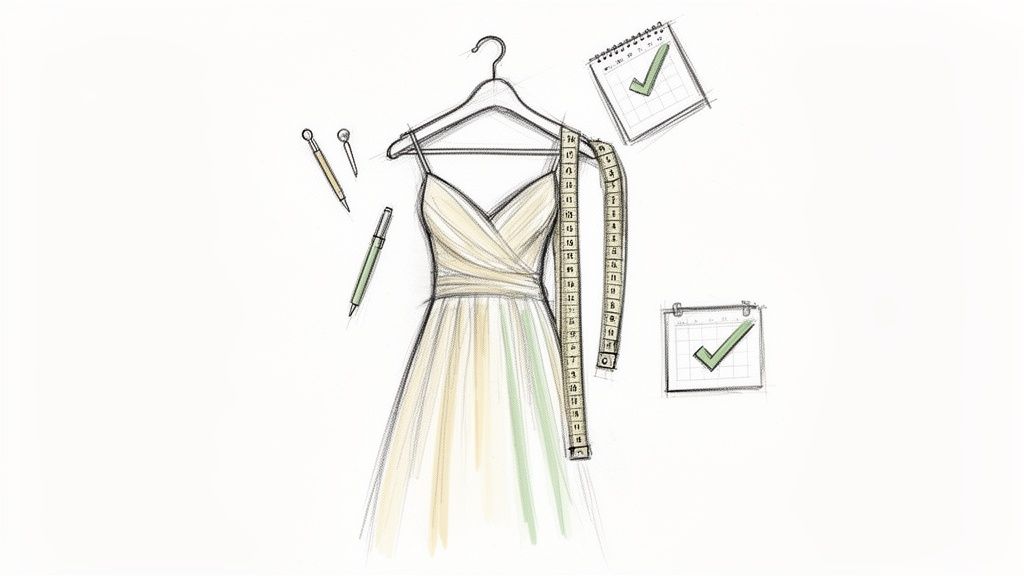
This event is less about grand gestures and more about thoughtful details. It is an opportunity to create a moment of calm and connection before the energy of the wedding weekend arrives.
Creating an effortless gathering
Hosting the shower in a space like The Merrill’s private event rooms can make the celebration feel connected to the main event, especially for guests from out of town. It creates a sense of continuity. A riverside bridal shower here feels both special and grounded, with views of the Mississippi offering a quiet, steady backdrop.
What I've seen is that the most successful showers are the ones that feel easy for the bride. When the food, the space, and the flow are handled, she can simply be present with her guests.
By booking the space three to four months in advance, you give yourself and any co-hosts ample time to plan without pressure. Working with the hotel’s culinary team to design a menu that reflects the bride’s taste removes a significant layer of stress. It allows you to focus on personal touches, like the guest experience, rather than coordinating rentals and caterers. This thoughtful planning is what turns a simple party into a meaningful milestone. For more guidance, our bridal shower planning checklist can help organize the details.
How should I plan the bachelorette party?
The bachelorette celebration is often seen as a big, final party, but it serves a quieter purpose too. It is a moment for the bride to pause with her closest friends and feel supported before the wedding day arrives. As the maid of honor, your role is to shape this event around her personality, not around outside expectations.
This responsibility is less about planning a party and more about creating a space for connection. It is a chance to give the bride a moment of calm and joy that genuinely recharges her. This meets an emotional need before the final, busy weeks.
Planning a weekend that fits the bride
A successful celebration starts with a direct conversation with the bride, long before any bookings are made. Ask what she truly wants. Some brides envision a weekend away, while others find comfort in a simple, relaxing evening with no travel required. The goal is to honor her energy and preferences.
What I've seen is that the most meaningful bachelorette events are the ones that reflect the bride's true self. A quiet dinner with heartfelt conversation can be just as memorable as a multi-day trip.
Consider a low-stress weekend at a place like The Merrill. Booking a block of rooms a few months in advance allows everyone to be together without the complication of coordinating different locations. A simple itinerary, like a casual Friday night in a suite followed by a spa day and an elegant dinner, removes the pressure of a packed schedule. Building in downtime is a gift. It is also wise to discuss budgets openly with the group and keep finances clear for everyone. Exploring inexpensive bachelorette party ideas can also help ensure the celebration is accessible to all.
This is about creating a supportive and joyful memory. By focusing on the bride's comfort, you provide a moment of stillness and celebration that will carry her through to the wedding day.
How do I handle dress fittings and attire?
The bridesmaids’ dresses are a visual thread that runs through the wedding day, but getting them right involves more than just picking a color. Your role as maid of honor is to be the quiet coordinator of this process, turning what could be a logistical tangle into something smooth for everyone.
This part of your role is about practicality and communication. It means knowing who has ordered their dress, whose alterations are scheduled, and where everything will be on the morning of the wedding. You become the central point of contact, saving the bride from answering the same questions multiple times.
Creating a clear path for attire
For a wedding party that might be scattered between Muscatine, the Quad Cities, and beyond, a shared system is a gift. A simple spreadsheet can track each bridesmaid's measurements, order status, and payment confirmations. This is not about micromanaging. It is about providing clarity and preventing surprises.
I’ve seen that the calmest brides have maids of honor who create a simple, shared timeline for the dresses. It shows everyone what needs to happen and when, from ordering to the final fitting.
By collecting all dress sizes and placing orders together, you ensure everyone is on the same page. Scheduling the first fittings four to five weeks before the wedding provides a necessary buffer. A final check-in one or two weeks out confirms that everything fits. The last step, arranging for the dresses to be pressed and stored properly at The Merrill upon arrival, means one less thing to think about on the wedding morning.
What should I say in my Maid of Honor toast?
The maid of honor speech is a quiet moment that arrives in the middle of a loud day. It is not a performance, but a gift. Your role is to offer a few words that celebrate the couple and anchor the room in warmth.
This responsibility is about connection, not perfection. A heartfelt, genuine toast that lasts three minutes does more for the room's spirit than a long, elaborate one. It is a moment to share a piece of your heart and reflect the joy you see in your friend.
How to find the right words
At a place like The Merrill, the toast often happens as dinner is served and the sun is setting over the Mississippi. To prepare, it helps to start thinking about your words four to six weeks before the wedding. Brainstorm a few memories that show the bride’s character, not just funny anecdotes. Think about the moment you knew her partner was the right one for her.
What I've seen is that the most moving speeches connect a past memory of the bride with a present observation about the couple. It creates a beautiful, simple story that everyone in the room can feel.
Keep the structure straightforward: a warm opening, one or two brief stories, a reflection on their relationship, and a closing toast to their future. Practice it aloud until it feels comfortable, but not memorized. During the rehearsal, it can help to hold the microphone for a moment. Feeling its weight and hearing your voice in the empty ballroom can quiet a lot of nerves for the real thing.
What is my role on the wedding day itself?
On the wedding day, your most important role shifts from planner to anchor. Your job is to become the calm center for the bride, a quiet presence who can manage the small details so she can remain present for the big moments. It is less about directing and more about protecting her peace.
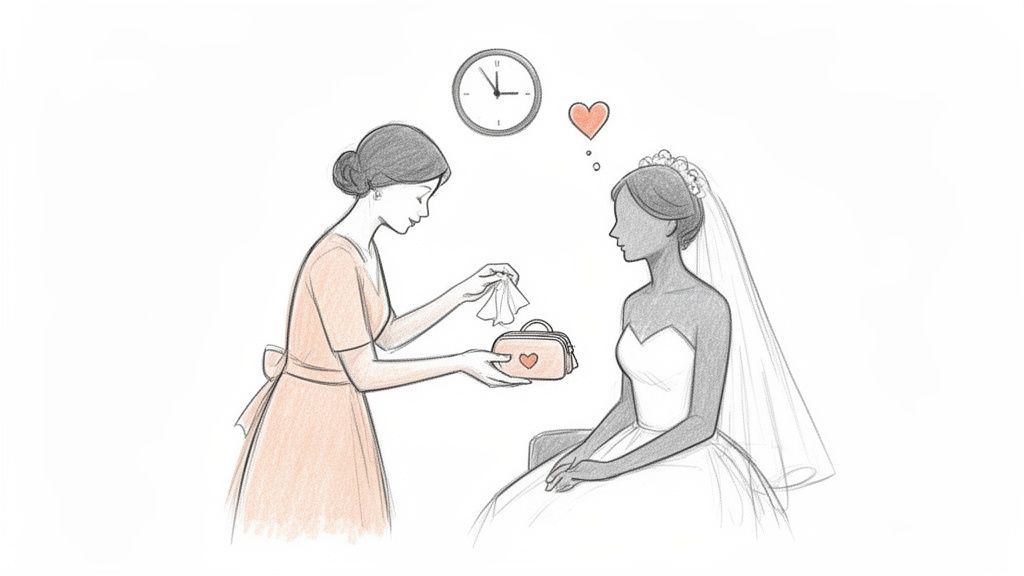
This responsibility is a blend of emotional support and practical action. You become the person who holds her phone, ensures she has a bite to eat, and offers a reassuring word before she walks down the aisle. You are the buffer between the bride and any potential stress.
Creating a calm space
At The Merrill, the morning often begins in a suite with views of the Mississippi River. Arriving early, perhaps even before the bride wakes, allows you to create a peaceful atmosphere. You can coordinate with room service for light snacks and coffee, keeping the mood relaxed as hair and makeup artists arrive.
What I’ve seen is that the brides who feel the most at ease are the ones whose maids of honor act as gentle gatekeepers. They field last-minute questions and run interference, allowing the bride to simply enjoy the morning without feeling pulled in a dozen directions.
Working with the on-site coordinator, you can handle small, unexpected needs without involving the bride. Your emergency kit becomes invaluable. You can also manage the morning’s timeline, giving gentle reminders about when to get dressed or when the photographer will arrive.
By being this steady presence, you give the bride a profound gift. You help ensure her memories are of joy and celebration, not of logistical worries or last-minute problems.
How do I handle the money part of it all?
Money is often the most unspoken and sensitive part of being in a wedding party. As the maid of honor, your role is not to be a banker, but to create a sense of clarity and ease around shared costs. This is about preventing misunderstandings so everyone can focus on the celebration, not the receipts.
This begins with open, gentle conversations about budgets for events like the bachelorette party and bridal shower. It is about acknowledging that everyone has a different financial comfort level and building a plan that respects that. You become the quiet organizer who ensures no one feels stressed or left behind.
Creating financial clarity
A simple shared spreadsheet is often the kindest tool for this. For events like a bachelorette weekend or a shower, listing out expected costs gives everyone a clear view of the commitments. There are no surprises, just shared understanding. It also helps in tracking who has paid, which prevents awkward follow-ups.
What I've seen is that financial stress is rarely about the amount, but about the uncertainty. A clear, shared plan that everyone can see and contribute to is one of the greatest gifts a maid of honor can give the bridal party.
This is also a place for quiet consideration. If you know some bridesmaids have tighter budgets, you can build in options. Perhaps someone contributes by designing the invitations instead of chipping in for decorations. For larger costs like dresses, suggesting a payment schedule can make a significant expense feel manageable.
When it comes to wedding gifts, your role is one of quiet organization. Keeping a simple, private list of gifts and who they are from helps the bride immensely later on. It turns the task of writing thank-you notes from an overwhelming project into a simple, heartfelt process.
The Gift of Your Presence
The lists and timelines are important. They give shape to the weeks and months leading up to the wedding, and they ensure that practical needs are met. But after watching hundreds of weddings unfold here, I can tell you that the most important part of your role cannot be found on a checklist.
There will be a moment, usually after the formal photos are done and the dinner plates are cleared, when you will look across the room at your friend. You will see her laugh, a genuine and unburdened sound. That moment of pure, simple joy is the real goal. Everything else you do is in service of creating the space for that feeling to exist.
This maid of honor duties and responsibilities checklist covers the logistical framework. Yet, the true substance of this role lies between the lines of those tasks.
What I have seen time and again is that the most cherished maids of honor are not the ones who perform every task perfectly. They are the ones who become a source of calm in the middle of a beautiful, but often overwhelming, day.
Your greatest contribution is not in managing the schedule down to the minute. It is in noticing when the bride needs a quiet moment. It is in making sure she has a glass of water, a bite to eat, and a chance to simply breathe. It is in gently reminding her to look at her partner, to absorb the scene, and to be present in a day that can feel like it is moving too fast.
Think of this checklist not as a set of rules, but as a guide that frees you to focus on what truly matters. By handling the practical details ahead of time, you create emotional space. You become less of a manager and more of a steadying presence. This is the heart of the maid of honor role. You are the keeper of her calm.
The details of coordinating guest lodging for friends coming in from Chicago or Iowa City, or ensuring the rehearsal dinner at The Merrill runs smoothly, are all parts of a larger purpose. They are acts of service that clear the path for the bride to experience her wedding day, rather than just manage it. Your careful planning gives her the freedom to be fully present.
In the end, long after the thank you notes are sent, the gift your friend will remember most is your quiet, steady presence. The rest is just details.
As a maid of honor, your partnership with the venue is key to creating a calm and seamless experience. If you are helping plan a wedding in the Quad Cities area, we invite you to see how the team at The Merrill Hotel works alongside couples and their wedding parties to manage these details. You can learn more about our approach at The Merrill Hotel.