
The first question arrives almost immediately after the congratulations. Not flowers. Not a dress. Not even the guest list. It's, “So, when's the wedding?”
For many couples, that question lands with equal parts excitement and pressure. You're still savoring the proposal, still texting family photos back and forth, and suddenly you're expected to choose a date that will shape the entire celebration. That's normal. Picking a wedding date feels big because it is big.
A date does more than reserve a Saturday on a calendar. It determines the light in your ceremony photos, the ease of travel for your guests, the mood of cocktail hour, the availability of your favorite vendors, and whether your celebration feels breezy and expansive or intimate and candlelit. For couples planning in Muscatine, Davenport, Bettendorf, Moline, Rock Island, or for Chicago-area couples searching for a destination-style wedding venue outside the city, that choice often connects directly to the venue itself.
The couples who feel calm during this decision usually aren't the ones chasing a “perfect” date. They're the ones who choose a date that reflects their priorities. Sometimes that means a crisp fall Saturday. Sometimes it means a Sunday that gives them more room in the budget for a larger guest list. Sometimes it means a full wedding weekend at a large capacity wedding venue where family can gather in one place.
If you're early in the process, a practical wedding planning checklist helps you see where date selection fits into everything else without making it feel overwhelming.
The First Big Decision After Saying Yes
A newly engaged couple usually starts with a handful of dates that feel meaningful. The anniversary of their first trip. A favorite month. A number pattern they love. Then reality joins the conversation. One partner's family is in Illinois, the other's is in Iowa. Someone has cousins in school. Someone else works in healthcare and needs notice far in advance. The venue they love has one autumn weekend left, but a Friday in the same season is wide open.
That's where this decision becomes less about finding one magical answer and more about choosing the conditions that will let the day feel right.
Start with the feeling, not the calendar
The strongest date choices begin with a simple question. What do you want the day to feel like? If you start there, the calendar stops feeling random.
Maybe you want an outdoor wedding venue with soft air and changing leaves. Maybe you want an indoor wedding venue with glowing candlelight and a formal dinner reception. Maybe you're planning a large wedding venue experience with a cultural ceremony, a reception venue that can hold everyone comfortably, and enough space for the whole weekend to unfold naturally.
A good wedding date doesn't just “work.” It supports the mood you want your guests to remember.
The venue and the date shape each other
Couples often treat date and venue as separate choices. In practice, they're intertwined. A luxury wedding venue with indoor and outdoor options gives you a wider range of seasons. A large wedding venue can make an off-peak date more appealing because you gain flexibility on layout, guest flow, and weekend events. An all-inclusive wedding venue can simplify timing because lodging, catering, and event spaces are already coordinated.
If you're searching “event venue near me,” “wedding venue Muscatine,” or “Indian wedding venue near Chicago,” you're not only asking where to celebrate. You're asking which place gives your date the best chance of becoming the day you imagined.
Connect Your Date to Your Desired Season and Vibe
Before you compare Saturdays, ask what kind of atmosphere you want when guests arrive. The season creates that first impression long before dinner is served.
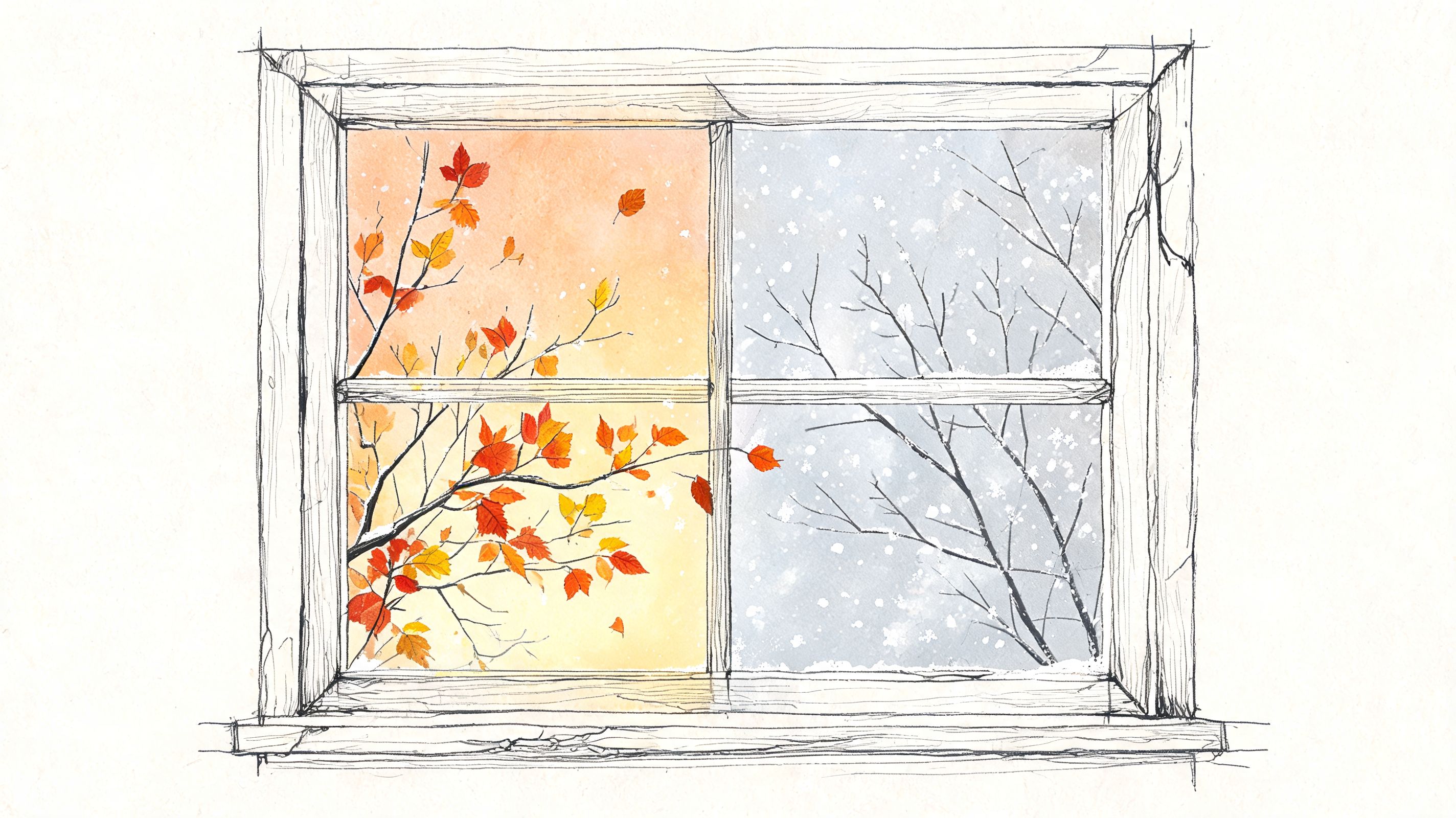
For Midwest weddings, this matters even more because the seasons feel distinct. The river looks different in October than it does in June. The light changes. The colors change. Even the pace of the day changes.
Fall feels popular for a reason
If you've been drawn to September, October, or early November, you're in good company. 41% of weddings occur between September and November, according to The Knot's look at fall wedding season trends. That same source notes that projected top 2026 dates include October 10, reflecting how strongly couples still favor temperate-weather weekends.
The appeal is easy to understand in the Midwest. Fall often gives couples a balanced day. Cooler air for outdoor moments. Comfortable travel for guests. Rich color outdoors. A natural transition into a warm indoor reception with candlelight, wood tones, and a fuller, more layered atmosphere.
If your ideas lean romantic, textured, and softly dramatic, browsing romantic wedding themes can help you connect your aesthetic to the right season.
Each season offers something different
Here's the practical version of what couples often discover after touring venues:
| Season | What it feels like | What works well | Trade-off to consider |
|---|---|---|---|
| Spring | Fresh, airy, hopeful | Garden-inspired palettes, daytime ceremonies, softer color stories | Weather can shift quickly |
| Summer | Lush, social, expansive | Outdoor wedding venue moments, longer evenings, destination-style weekends | Heat can affect formal timelines and guest comfort |
| Fall | Rich, crisp, gathered | Indoor-outdoor transitions, deeper florals, candlelit receptions | Peak dates go quickly |
| Winter | Intimate, polished, quiet | Indoor wedding venue celebrations, formal receptions, cozy weekend experiences | Travel planning needs extra care |
Match the vibe to the guest experience
The right season isn't only about decor. It changes how the day moves.
A summer wedding often invites lingering conversation, slower cocktail hour, and a more open-air rhythm. A winter reception can feel closer, more elegant, and more intentionally centered around the room itself. Fall often gives couples the most balance, which is one reason so many gravitate toward it.
Practical rule: If you can describe the room, the light, and the temperature you want guests to feel, you're close to choosing the right season.
For couples comparing an outdoor wedding venue, an indoor wedding venue, or a property that offers both, this is the point where date selection gets easier. You stop asking, “What dates are available?” and start asking, “Which season supports the day we want to host?”
Center Your Decision Around Your Guests and VIPs
A wedding is personal, but it isn't private. The date affects everyone you most want in the room.
That's especially true for couples with family spread between Iowa, the Quad Cities, Chicago, Naperville, Aurora, and the broader Illinois market. A date that looks perfect on your calendar may be much harder for your parents, siblings, or closest friends to attend if school schedules, work travel, or multi-state logistics get in the way.
Build a true VIP list first
Before you ask a venue about open dates, identify the people whose presence matters most. Not the full guest list. The essential group.
This usually includes:
- Immediate family: Parents, siblings, grandparents, and anyone playing a formal role in the ceremony.
- Key wedding party members: The friends or relatives who need to plan travel, time off, attire, and pre-wedding events.
- Cultural or family participants: Priests, elders, officiants, or relatives who are central to specific traditions.
- Guests with complex logistics: Anyone traveling long distance, coordinating children, or working a schedule that requires early notice.
Poll before you commit
Couples often try to solve date selection by intuition. A simple poll is usually better.
A 2024 survey on choosing a wedding date found that 28% of weddings had guest attendance below 70% due to scheduling conflicts. For families spread across multiple states, using a free polling tool with VIPs first can boost attendance by 15 to 20% compared with choosing a date unilaterally.
That's why tools like Doodle and Google Forms are so useful here. You don't need to poll everyone. Send 3 to 5 date options to your VIP group, set a clear reply deadline, and look for the dates that create the least strain.
If your family is spread across regions, don't ask, “Can people make this?” Ask, “Which of these dates gives the most important people the best chance to be there?”
Think like a host, not just a planner
A date can be technically available and still feel hard on guests. That's where host-thinking matters.
For Chicago-area guests heading to a destination-style venue in Iowa, a Friday wedding may feel easier than expected if they can turn it into a full weekend. For local Quad Cities guests, a Sunday can work beautifully if the timing is considerate and the evening doesn't run too late. For families with children, the rhythm of the school year can matter more than the season itself.
Use this quick check before you narrow your options:
| Question | Why it matters |
|---|---|
| Who absolutely needs to attend? | Their availability should shape the shortlist. |
| Who has the longest travel? | They need more notice and simpler timing. |
| Will this feel rushed for guests? | Tight travel windows create stress before the celebration even begins. |
| Does the date support the kind of weekend you want? | A one-day event and a multi-day gathering need different timing. |
When couples handle this early, they usually feel more peace with the final choice. The date becomes less about pleasing everyone and more about protecting what matters most.
Leverage Venue Flexibility for Your Ideal Date and Budget
The venue you choose can either narrow your options or open them up. That matters when you're deciding how to pick a wedding date in a way that feels both beautiful and financially sensible.
A lot of couples start by focusing on the most competitive option first: a peak-season Saturday. Sometimes that's still the right call. But if you're comparing a luxury wedding venue, a large wedding venue, or an all-inclusive wedding venue for a destination-style celebration, flexibility often creates the strongest result.
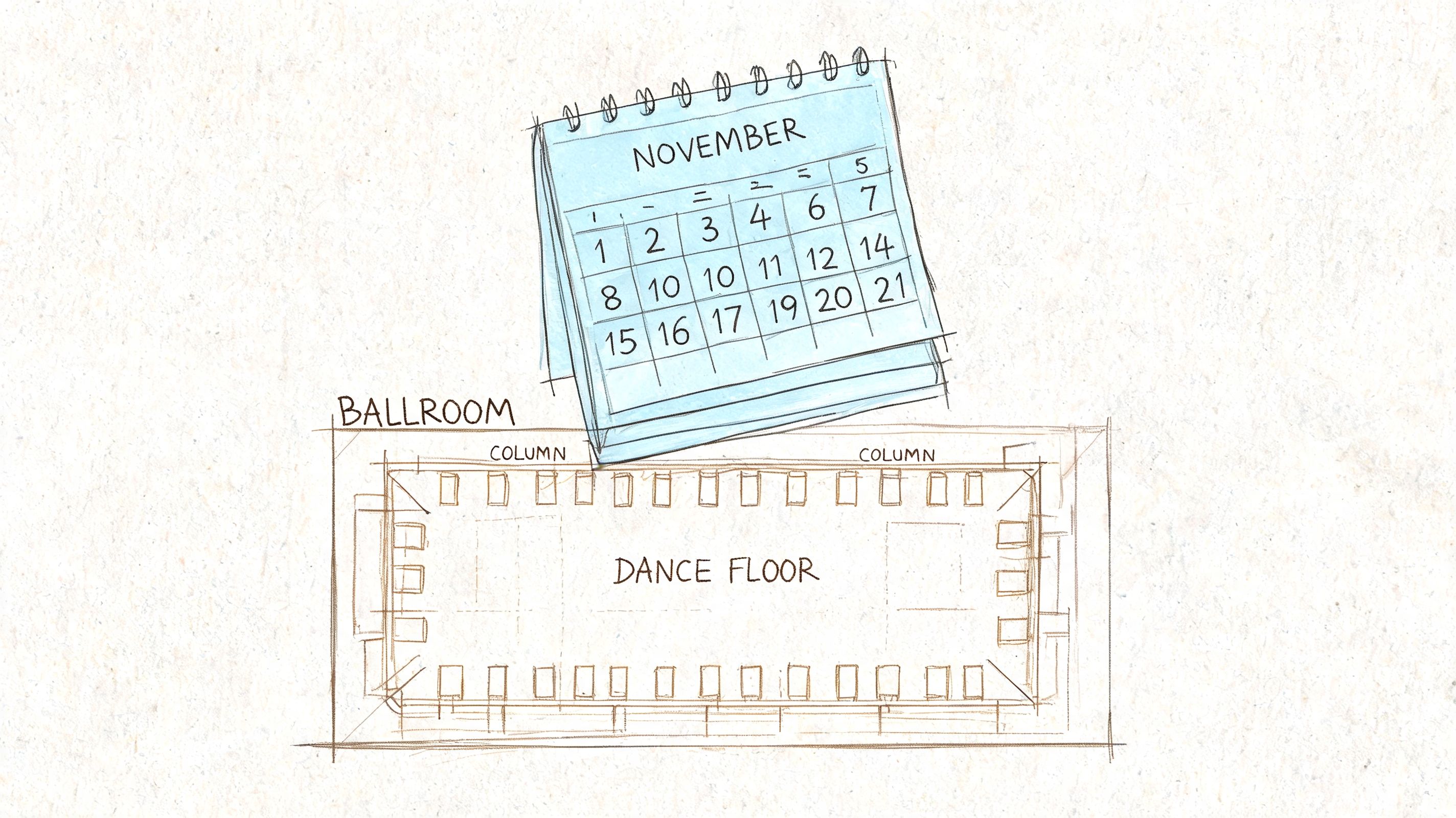
Why one day of the week changes so much
The biggest trade-off is usually not month. It's day of the week.
According to industry guidance on choosing your wedding date, weekday events can retain 20 to 30% more of your budget, and destination-style weddings are often the most natural fit for that savings because guests are traveling either way.
That shift can change what's possible. Instead of spending more to secure a peak Saturday, a couple might choose a Friday or Sunday and use the extra room in the budget for upgraded food, additional events, more guest rooms, or a larger guest count.
Compare the feeling behind the numbers
A Saturday can feel traditional and convenient. A Friday can feel like the beginning of a celebration. A Sunday often feels relaxed and elegant, especially for a brunch farewell the next morning. A weekday can work well for couples hosting guests in one place, where the event becomes a retreat rather than a single-night occasion.
Here's a useful comparison:
- Saturday: Familiar, high demand, often the first date couples ask for.
- Friday: Strong option for guests coming from Chicago or Illinois who can make a weekend of it.
- Sunday: Often softer in mood, with a slightly more relaxed pace.
- Weekday: Smart for multi-day gatherings, cultural weddings, and couples prioritizing value.
A venue search should reflect that strategy. Instead of only typing “wedding venue Chicago,” many couples do well to broaden the search to “wedding venue Muscatine,” “wedding venue near Davenport,” “reception venue Quad Cities,” or “large capacity wedding venue” if guest count and flexibility matter more than city center location.
A flexible venue gives you more than availability
Venue design matters. A property with lodging, event flow, and multiple usable spaces can make non-Saturday dates feel intentional rather than like a compromise.
When to book your wedding venue is worth reviewing early because the right booking window affects not only your ceremony date, but also rehearsal timing, welcome events, and room blocks.
For example, The Merrill Hotel in Muscatine is one option couples consider when they want a riverfront setting, on-site guest rooms, and the ability to host several wedding events in one location. For Chicago-area families or Quad Cities couples, that kind of setup can make a Friday, Sunday, or full-weekend plan much easier to coordinate.
A short venue walkthrough can help you think through layout and event flow before you settle on a date.
What works best in practice
When couples are comparing venues, these questions often lead to the clearest date decision:
- How many guests need to fit comfortably? A large wedding venue has to feel spacious, not crowded.
- Do you need indoor and outdoor options? That gives you more confidence in shoulder seasons.
- Will guests stay on-site or nearby? If yes, a Friday or weekday becomes much more practical.
- What's included in the package? An all-inclusive wedding venue can reduce planning friction when your date is already set.
The most helpful venue isn't always the one with the most demand. It's the one that gives your preferred date room to work.
For couples coming from major Illinois markets, that's often why destination-style venues outside the city become serious contenders. They can offer the scale, flexibility, and calmer pace that make your ideal date easier to secure.
Accommodate Cultural Traditions and Multi-Day Events
For many couples, the wedding isn't one event. It's a sequence of gatherings, each with its own meaning, timing, and space needs. That's especially true for Indian weddings and other cultural celebrations where family traditions shape the entire weekend.
In those cases, picking a wedding date means choosing a date range. You're not only asking when the ceremony should happen. You're asking how the Sangeet, Mehndi, welcome dinner, baraat, ceremony, reception, and farewell gathering will fit together without anyone feeling rushed.
Start with the full event map
For cultural weddings, a date works only if the venue can support the rhythm of the celebration.
That often means confirming:
- Multiple event spaces: One room rarely suits every part of the weekend.
- Guest capacity: A large capacity wedding venue matters if the ceremony and reception guest counts differ.
- Outdoor procession possibilities: Families planning a baraat need to know where movement, music, and arrivals can happen comfortably.
- Vendor flexibility: Outside catering, specialty decor teams, and cultural ceremony setups may be essential.
- On-site or nearby lodging: This becomes much more valuable when several events happen over consecutive days.
Give yourself enough planning runway
Timing matters even more once several events are involved. Wedding and engagement planning data shows that the average engagement in the U.S. lasts 12 to 15 months. That same source notes that 37% of couples add welcome parties or brunches, which helps explain why securing a venue early is so important when your celebration extends beyond the ceremony and reception.
For an Indian wedding venue near Chicago or a cultural wedding venue serving families from Illinois and Iowa, this is one of the most important planning realities. A weekend with multiple events needs enough time for caterers, room transitions, ceremony items, musicians, family arrivals, and hospitality details to align.
For multi-day weddings, the date isn't just a booking. It's the framework that holds every tradition in place.
A useful way to choose the right weekend
Couples planning cultural celebrations often benefit from evaluating dates through these lenses:
| Priority | What to ask |
|---|---|
| Tradition | Does the date align with family or faith-based preferences? |
| Venue layout | Can one property handle each event without awkward resets? |
| Travel | Will relatives from Chicago, Naperville, Aurora, or other cities be able to arrive comfortably? |
| Cuisine and vendors | Does the venue allow the food and specialist teams your family needs? |
A large wedding venue with flexible layouts often works better than a more rigid formal space because different events need different energy. The Mehndi may feel best in a bright, social setting. The ceremony may need more structure. The reception may call for a dramatic ballroom. The next morning may work best in a softer brunch setting.
What doesn't work well
The biggest mistakes usually come from underestimating transitions. A venue may look beautiful for one reception, but if it can't support several event styles over a weekend, the date itself becomes harder to use well. The same is true if outside catering is restricted in ways that conflict with family expectations, or if there's no practical plan for guest arrivals and gathering spaces.
Couples looking for an Indian wedding venue, a cultural wedding venue, or a large wedding venue near Chicago often find that moving slightly outside the city gives them more room to honor tradition fully. More space. More time. More flexibility in how the celebration unfolds.
Add Personal Meaning and Finalize Your Date
Once the practical choices are narrowed down, this is the moment to make the date feel like yours.
Some couples choose a date because it echoes an anniversary. Some want a family connection, such as a parent's wedding month or a meaningful holiday season. Others care about number patterns or symbolic systems. Personal meaning is worth including, as long as it rests on a date that already works for your venue, guests, and budget.
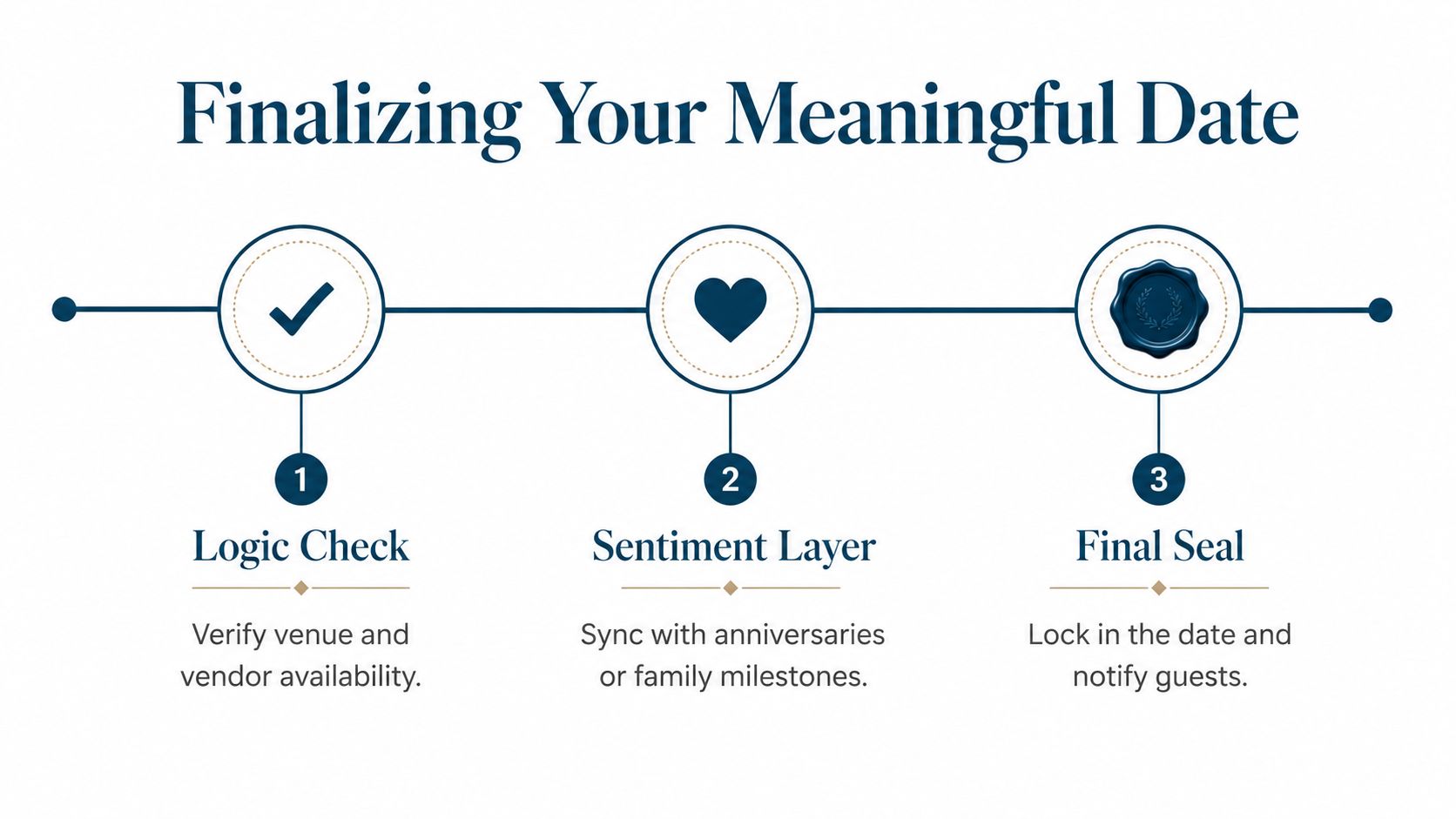
Layer sentiment after logic
If two or three dates are equally workable, then sentiment can be the deciding factor.
That might look like:
- Choosing the weekend closest to when you first met.
- Picking the month that has always felt most like your relationship.
- Using a meaningful number pattern, if it doesn't create unnecessary strain.
- Honoring a cultural or family calendar preference once logistics are secure.
Numerology as one optional lens
Some couples also explore numerology. Elmore Court's guide to choosing a wedding date through numerology describes one method: calculate each partner's Life Path Number by reducing the birth date digits to a single digit, combine them into a “marriage number,” then test potential dates for harmony. In that example, a couple with a marriage number of 6 would look for dates that reduce to 3, 6, or 9.
This doesn't need to govern the decision. It can be a meaningful final filter if symbolism matters to you.
Choose a date that can carry both truth and tenderness. It should work on paper and feel right in your heart.
What to confirm before you sign
Before you lock anything in, make sure you've answered these final questions:
- Venue availability: Is the exact date open for every space you need?
- Core vendor alignment: Can your priority vendors work that weekend?
- Guest practicality: Have your VIPs confirmed they can attend?
- Event scope: Does the date support one day, a full weekend, or multiple cultural events?
- Contract clarity: Do you understand deposits, timelines, and what is included?
Once those answers are clear, stop second-guessing. Save the date. Tell your people. Begin building the celebration around it.
If you're comparing dates and looking for a riverfront wedding venue with indoor and outdoor event spaces, on-site lodging, and room for everything from intimate gatherings to large celebrations, The Merrill Hotel is one option to explore for couples in Muscatine, the Quad Cities, and the wider Iowa and Illinois region.