
It’s a question that often comes up in a quiet moment, long before the wedding day arrives. What does a rehearsal dinner actually cost? The numbers you find online are not rules, just starting points to help you find your footing.
On average, a rehearsal dinner can range from $1,350 to $4,500. Most couples find they spend somewhere between $55 and $150 per person.
What is a realistic cost for a rehearsal dinner?
There’s a point when the idea of a wedding weekend starts to feel real, and it often begins with the night before. Thinking about the cost is simply the first step in deciding what kind of evening you want to create for your closest family and friends.
What I’ve seen is that the final number is shaped by a few simple choices. The number of guests you invite is the most direct factor. A smaller, more intimate gathering will naturally have a different feel—and a different budget—than a large welcome party for everyone traveling to be with you.
Seeing the numbers in context
It helps to see how the guest count can influence the overall cost. These are just estimates, meant to give you a clearer picture as you begin to think through your own plans.
Notice how a change in the guest list creates a significant shift in the total. This is often the first and most important decision to make. For a closer look at organizing these details, our simple rehearsal dinner planning checklist can bring a sense of order to the process.
Most couples find their spending falls somewhere within these general ranges. The average cost of a rehearsal dinner in the United States typically lands between $1,350 and $4,500 nationwide, with many spending around $2,700 for a gathering of 30 to 50 guests. You can see more details on these national averages from sources like Zola.com.
It helps to remember that the goal of the evening isn't tied to a specific number. The purpose is to take a quiet breath together and thank the people who have been there for you.
To make this feel more tangible, here is a simple breakdown based on a typical per-person cost.
A quiet look at rehearsal dinner costs by guest count
This table shows estimated total costs for a rehearsal dinner based on the number of guests invited, helping couples visualize how their guest list impacts the budget.
| Number of Guests | Typical Total Cost Range (National Average) |
|---|---|
| 20 Guests | $1,100 – $3,000 |
| 40 Guests | $2,200 – $6,000 |
Seeing it this way often brings a sense of calm. You can see how your decisions directly shape the outcome. It's not about finding the "right" number, but about finding what feels right for you. The rest of the details will fall into place from there.
What shapes the final cost of your dinner?
The numbers are just a starting point. After you get a general idea of the cost, the next quiet question is usually why. What makes one dinner feel different from another, not just in atmosphere, but on the budget? I’ve seen it come down to a handful of thoughtful choices, each one gently shaping the evening that follows.
It’s less a checklist of expenses and more a series of conversations about what feels right for you and your families. Each decision—from the food to the guest list—simply leads to a different kind of gathering. None is better than another.
The feeling of the room
The first choice is often about the space itself. Do you imagine an intimate dinner in a private room where conversation flows easily across the table? Or do you see a larger, more open hall that feels like the real start of a weekend-long celebration?
The size and style of the venue are one of the clearest factors in the final cost. A smaller room at a favorite local restaurant will have a different feel, and price, than a dedicated event space. There’s no right answer, only the one that aligns with the purpose of your evening.
This simple concept shows how the number of guests and the per-person cost come together to shape the total budget for your rehearsal dinner.
As you can see, the final cost is a direct reflection of these two simple, foundational decisions you make at the beginning of the process.
The style of the meal
Once you have a sense of the space, the next thought is the food. The way you choose to share a meal together has a big impact on both the feeling and the cost. A formal, plated dinner where guests are served multiple courses creates a very different atmosphere from a casual buffet or a family-style meal.
Couples often think about what kind of interaction they want to encourage.
- Plated Dinners: These tend to feel more formal and structured. They often have a higher per-person cost because of the level of service required.
- Buffets or Stations: This approach gets guests moving around and mingling. It can be a more relaxed and often more budget-conscious choice.
- Family-Style Service: Platters are passed around the table, creating a communal, warm, and interactive experience that falls somewhere in the middle.
Each style has its own grace. The decision is less about formality and more about the kind of connection you hope to foster.
What I've noticed is that the most remembered meals are not always the most elaborate. They are the ones where people felt comfortable, connected, and cared for.
The bar and other details
The question of what to serve for drinks also comes up. An open bar, where guests can order whatever they like, will naturally cost more than offering a selection of beer and wine or hosting for a limited time. Some couples choose a cash bar after an initial hosted hour. This is another area where you have complete control.
Beyond food and drink, there are smaller details that can add to the final number. Things like renting linens, centerpieces, or audio equipment can be subtle costs. This is where hosting the dinner at an inclusive venue brings a sense of calm. When most of these elements are part of a cohesive plan, it simplifies things, making the costs clear and predictable. Knowing what is included in your venue’s all-inclusive wedding venue packages can help you understand these details from the start.
Ultimately, the cost of your rehearsal dinner is a story you write yourselves, decision by decision. It’s a reflection of your priorities for the evening—whether that’s intimacy, celebration, or simple gratitude. There is peace in knowing that you are the one holding the pen.
How much does location influence the cost?
There’s a different pace to life in a town like Muscatine. You feel it when you arrive along the river—a sense of quiet and space you don’t always find in larger cities. I’ve noticed that same sense of breathing room often extends to the cost of a wedding weekend, too.
Many couples I’ve met, especially those coming from Chicago or other big cities, are pleasantly surprised by this. They expect certain numbers, and then they see how those numbers can create a different kind of evening here. The cost of a rehearsal dinner in a major city can feel quite high, simply because everything from venue fees to staffing comes at a premium. Here, the pressures feel a little softer.
A tale of two cities
It’s not about one place being better than another. It’s just a matter of different environments. A private room in a popular city restaurant might start at a price that would cover nearly the entire evening in a smaller town. This isn't a secret; it’s just the nature of how things work.
What I’ve seen is that choosing a location outside of a major metropolitan area can be a powerful way to manage a budget without sacrificing the warmth or quality of the evening. It allows for a bit more flexibility. Perhaps you can invite a few more out-of-town guests or add a second hosted hour at the bar—things that might have felt out of reach elsewhere.
The value of a slower pace
This difference in cost is clear on a larger scale. The average rehearsal dinner in the Midwest is often around $2,000, while in the Northeast, that figure can be closer to $3,500. As you can imagine, destination events also carry a higher price tag. You can learn more about these regional cost differences in research from The Knot.
It helps to think of it this way: your budget can stretch a little further in a place with a lower cost of living. That extra space in the budget often translates to less stress in the planning.
This is especially true when your guests can stay on-site. The convenience of not having to coordinate travel between a hotel and a separate dinner venue brings a real sense of ease to the start of the weekend. Having everyone together under one roof simplifies the entire experience. We've seen how much calm this can bring for couples choosing from wedding venues with on-site lodging.
Location is more than just a backdrop. It shapes the atmosphere, the logistics, and the budget. For many couples, realizing that a change of scenery can also provide financial peace of mind is a welcome discovery. It allows the focus to return to what matters most: gathering with the people you love on the night before your wedding.
What different budgets actually create
The numbers and averages help, but they don’t always tell the whole story. What most couples really want to know is what an evening feels like at different price points. It’s easier to plan when you stop thinking about line items and start thinking about the experience you want everyone to have.
I’ve seen so many beautiful evenings unfold, and their warmth has never been tied to a dollar amount. Each one is just a reflection of the couple’s intention for the night. The budget is just the tool you use to bring that intention to life.
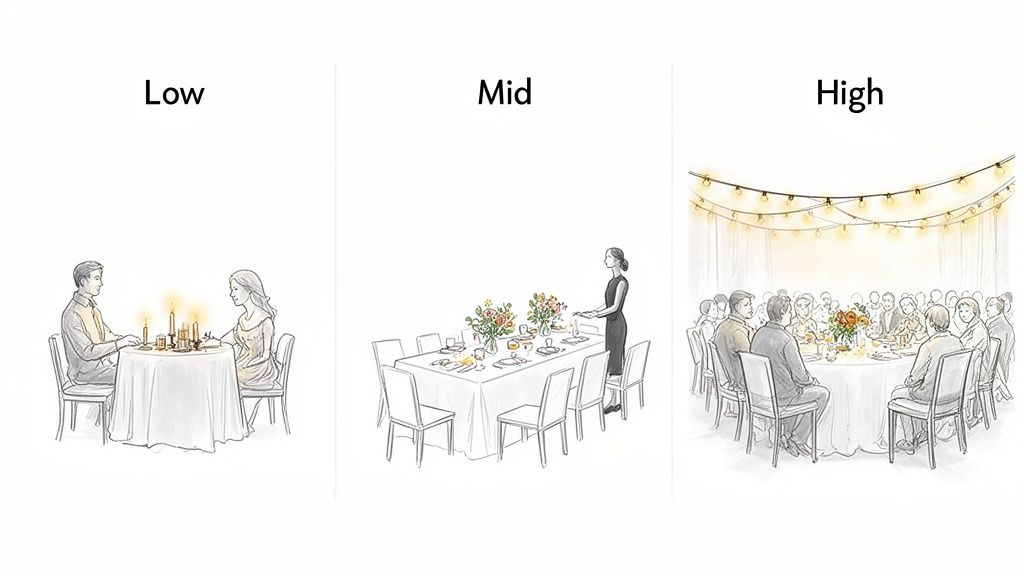
A quiet thank you for your inner circle
Imagine an evening for about 20 people—just your immediate family and the wedding party. The goal is simple: gather your core support system, run through the ceremony details, and share a relaxed meal. This kind of gathering often feels like a deep, calming breath before the busy day ahead.
For a night like this, the budget often lands somewhere between $1,000 and $1,800. That could create:
- A semi-private section at a favorite local spot in Muscatine.
- A thoughtfully chosen, limited menu with a few wonderful options.
- A hosted bar for beer and wine for the first couple of hours.
- An atmosphere that’s all about quiet conversation and connection.
The feeling here is one of simple gratitude. It isn’t about grand gestures. It’s about thanking the people who have stood by you in a personal, gentle way.
A warm welcome for traveling guests
Now, picture a slightly larger group of around 40 guests. This usually includes out-of-town family and friends who have traveled to be there. The intention shifts from an intimate huddle to a broader, more celebratory welcome. You want to greet them properly and give everyone a chance to connect before the wedding day.
Here, a budget in the $2,500 to $4,500 range is common. That might translate to:
- A private room at your venue, which keeps everyone together.
- A buffet-style meal or family-style service that encourages mingling.
- A more comprehensive bar package, maybe with a signature cocktail.
- A feeling that the weekend’s festivities have officially begun.
This evening feels generous and lively. It’s the official start, a moment to acknowledge the effort your guests have made and build excitement for what’s to come.
I’ve noticed that couples who host a larger welcome dinner are usually focused on hospitality. It’s a gesture that makes guests feel truly cared for from the moment they arrive, and it’s always deeply appreciated.
An expansive kickoff celebration
Finally, some couples see the night before as a full-fledged event—a true welcome party for 75 or more guests. This happens a lot when most guests are from out of town, or for destination-style weddings where the whole weekend is the main event.
A budget for this kind of evening often starts at $5,000 and goes up from there. That could create:
- A dedicated event space, maybe with indoor and outdoor areas.
- Creative food stations or heavy passed appetizers instead of a formal dinner.
- A full open bar and perhaps some light music, like a solo guitarist.
- An atmosphere that is energetic, social, and memorable.
This is less of a dinner and more of a party. It’s a great way to maximize time with everyone you love, ensuring every guest feels like a core part of the celebration from the very beginning.
To help you visualize these differences, here are a few sample scenarios that bring together guest count, venue style, and potential costs.
Sample rehearsal dinner scenarios
| Scenario | Guest Count | Venue & Style | Estimated Cost Range |
|---|---|---|---|
| The Intimate Gathering | 20 people | Semi-private room at a local restaurant with a set menu and limited bar. | $1,000 – $1,800 |
| The Welcome Dinner | 40 people | Private event space with a buffet, signature cocktail, and beer/wine bar. | $2,500 – $4,500 |
| The Weekend Kickoff | 75+ people | Dedicated event venue with food stations, a full open bar, and live music. | $5,000+ |
As you can see, your vision for the evening is what really shapes the final number.
Ultimately, national averages suggest a rehearsal dinner can range from $20 to $70 per person. Total costs often fall between $500 and $2,000, but those numbers can shift quite a bit based on your choices. Many couples with smaller groups find that a budget around $1,000 is a comfortable starting point. You can always explore more data on how real couples budget on sites like fash.com.
There is no “correct” budget. There is only the budget that lets you create the evening that feels true to you.
How to find calm in the budgeting process
There’s a point in planning when the numbers can start to feel a little loud. Budgets, guest counts, and endless decisions can overshadow the quiet purpose of the evening you’re trying to create. I’ve seen this happen, and I’ve also seen the moment when the calm returns.
It usually comes back when a couple remembers why they’re hosting this dinner in the first place. It’s an evening to say thank you. It’s a moment to gather the people who have supported you, look them in the eye, and share a meal before everything changes. When you hold onto that feeling, the budget becomes a tool, not a source of stress.
Focusing on what matters most
What I’ve seen over and over is that the simplest evenings are often the most remembered. The warmth of a gathering has very little to do with the complexity of the menu or the size of the bar tab. It has everything to do with the feeling in the room.
Couples find a lot of peace when they give themselves permission to choose what feels right, not what they think is expected. Sometimes this means making choices that are both beautiful and practical.
- Hosting on a different day. A Thursday evening often has a gentler cost than a Friday, and it can feel like a lovely, relaxed start to the weekend. Guests arriving early appreciate having a place to land.
- Choosing a different style of meal. A family-style dinner, where platters are passed around the table, can create a wonderful sense of connection and is often less costly than a formal plated meal.
- Being thoughtful about the bar. You can still be a generous host without offering every possible option. A well-chosen selection of wine and beer is always appreciated.
These are not compromises. They are thoughtful decisions that prioritize the comfort and connection of your guests.
The real goal is to create an evening where you can be present with your loved ones. Any choice that reduces your stress is a choice that serves that purpose.
The peace of mind in simplicity
There is also a quiet relief that comes from predictability. One of the main sources of anxiety in planning is the fear of unknown costs or having to coordinate many different people and services. This is where an inclusive approach can bring a real sense of calm.
When your venue, catering, and service are all handled by one team, the process becomes much clearer. You have one point of contact and a straightforward understanding of the costs. There are no surprises, no last-minute logistical puzzles to solve. You can simply arrive and know that everything is in place, allowing you to focus on your family and friends.
This clarity is more than just a convenience. It gives you the emotional space to enjoy the moment. You’re not thinking about vendors or timelines. You’re thinking about the toast your father is about to give, or the smile on your friend’s face from across the room.
Budgeting for your rehearsal dinner doesn’t have to be a tense exercise. It can be a quiet, intentional process of deciding how you want to thank the people you love. When you lead with that intention, you will find that the numbers fall into place with a surprising amount of grace.
What is the quiet purpose of the night before?
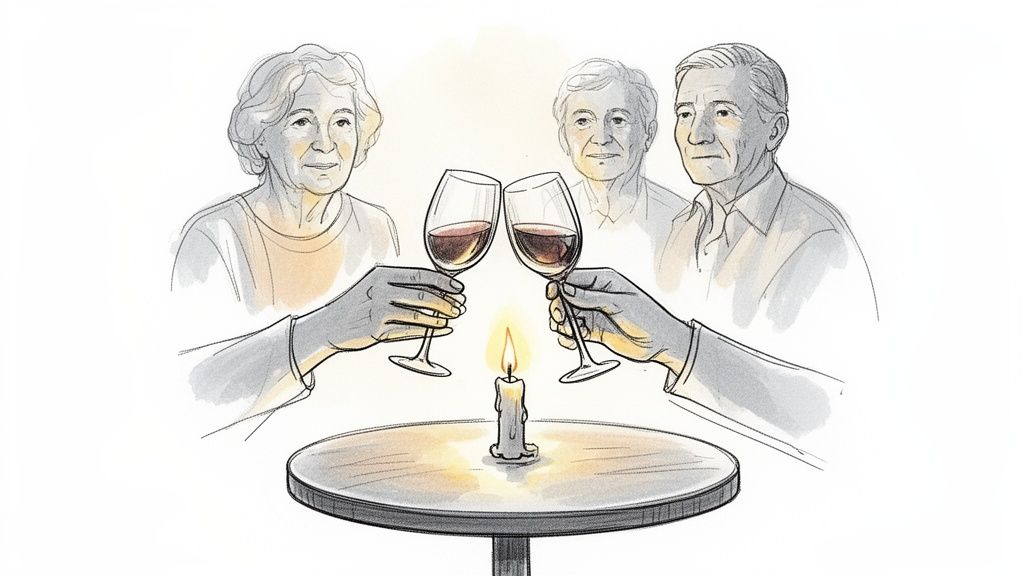
After all the numbers have been run and the decisions made, a quiet truth settles in. The real purpose of the night before your wedding has very little to do with the budget.
I’ve watched hundreds of these evenings unfold. Some were grand, others were simple. The ones that stick with me, the ones that hold the most warmth, are always grounded in gratitude. The rehearsal dinner is a rare moment—a pause before the beautiful rush of the wedding day—to look at the people who shaped your lives and just say thank you.
What is remembered from the evening
It’s interesting what stays with people. Years from now, your family and friends won’t remember the specific appetizer you served or the color of the linens. They will remember the feeling in the room.
They’ll remember the sincerity in a toast. The easy laughter shared across a table. The feeling of being together in one place, all for you. The most meaningful part of the night is that connection, and that’s something no amount of money can create. It’s something you bring with you.
What I have seen is that the most beautiful rehearsal dinners are not defined by how much they cost, but by how much they mean. It is an evening built on presence, not perfection.
Trusting your own choices
It helps to remember that you can create a wonderful, meaningful evening that feels right for you, whatever the budget. The amount you spend isn’t a measure of your love or your hospitality. It’s simply a reflection of your priorities and your circumstances.
Whether you host a simple backyard gathering or a formal plated dinner overlooking the Mississippi, the intent is the same. It is an act of love.
The goal is to begin your wedding weekend feeling calm, centered, and surrounded by the people who matter most. Trust that the evening you’re planning will be the right one, because it will be yours.
A few common questions, answered
After the big decisions are made, the smaller, practical questions start to surface. These are the details that pop up in the quiet moments, and having answers for them brings a sense of calm to the whole process.
Who traditionally pays for the rehearsal dinner?
There’s a long-standing tradition that the groom’s family hosts and pays for the evening. I see that happen quite a lot. But just as often, I see couples host it themselves, or sometimes both sets of parents decide to contribute.
Like a lot of wedding traditions, this one has softened over time. What I've seen is that the most important thing is a quiet, open conversation among family so that everyone feels comfortable and knows what to expect. It’s less about following a rule and more about what feels right for everyone involved.
How far in advance should we plan the dinner?
It helps to start thinking about it around four to six months before your wedding. That gives you plenty of time to decide on the style, settle on a budget, and reserve a space without feeling rushed, especially if you’re hoping for a busy Friday night.
If you’re planning to host the dinner at your main wedding venue, this conversation often becomes a natural part of the larger planning process with your coordinator. There’s no need to rush, but giving yourself that window of time tends to remove any feeling of last-minute pressure.
Who should we invite to the rehearsal dinner?
This is a question nearly every couple asks. At its core, the list almost always includes your immediate families, the entire wedding party, and their partners. It’s also a thoughtful gesture to include the person officiating your ceremony.
From there, it’s really up to you. Some couples choose to invite all of their out-of-town guests as a warm welcome, which creates a larger, more celebratory feel right from the start. Others decide to keep it very small and intimate.
It often helps to think about the purpose of your evening. Is it meant to be a quiet thank you for your closest people, or is it the official kickoff to the weekend’s celebrations? Answering that question for yourselves usually makes the guest list clear.