
The room changes the moment this dance begins. Servers clear the last plates, the band or DJ lowers the energy on purpose, and every set of eyes shifts to the floor. For a father and daughter, it can feel intimate and exposed at the same time. For everyone watching, it often becomes the emotional hinge of the reception.
That is why the best father and daughter dances are planned as part of the wedding’s full story. The song matters, but the song alone does not carry the moment. Timing, lighting, the distance from sweetheart table to dance floor, and how the emcee introduces it all shape whether the dance feels graceful, playful, tender, or slightly awkward.
At a venue like The Merrill Hotel, those choices can be built into the evening from the start. Ballroom layout affects whether the couple enters into a wide, formal circle of attention or a softer, closer gathering. Lighting control determines whether the room settles into a warm hush or keeps some of the dinner-party glow. Even the placement of family tables changes what your father sees when he steps onto the floor, which affects nerves more than couples expect.
This dance also works best when it fits the reception timeline, not when it is dropped in as an isolated tradition. A thoughtful planner usually places it where the emotional arc makes sense, often alongside decisions about who walks down the aisle and in what order, because processional choices and reception moments should feel like they belong to the same day, not two separate events.
The tradition itself is familiar. What guests remember, though, is not the label. They remember whether the song suited the relationship, whether the pacing felt honest, and whether the room gave the moment enough space to breathe. At The Merrill, the strongest father and daughter dances feel natural because the atmosphere, logistics, and music are working together before the first step begins.
1. Unforgettable by Nat King Cole
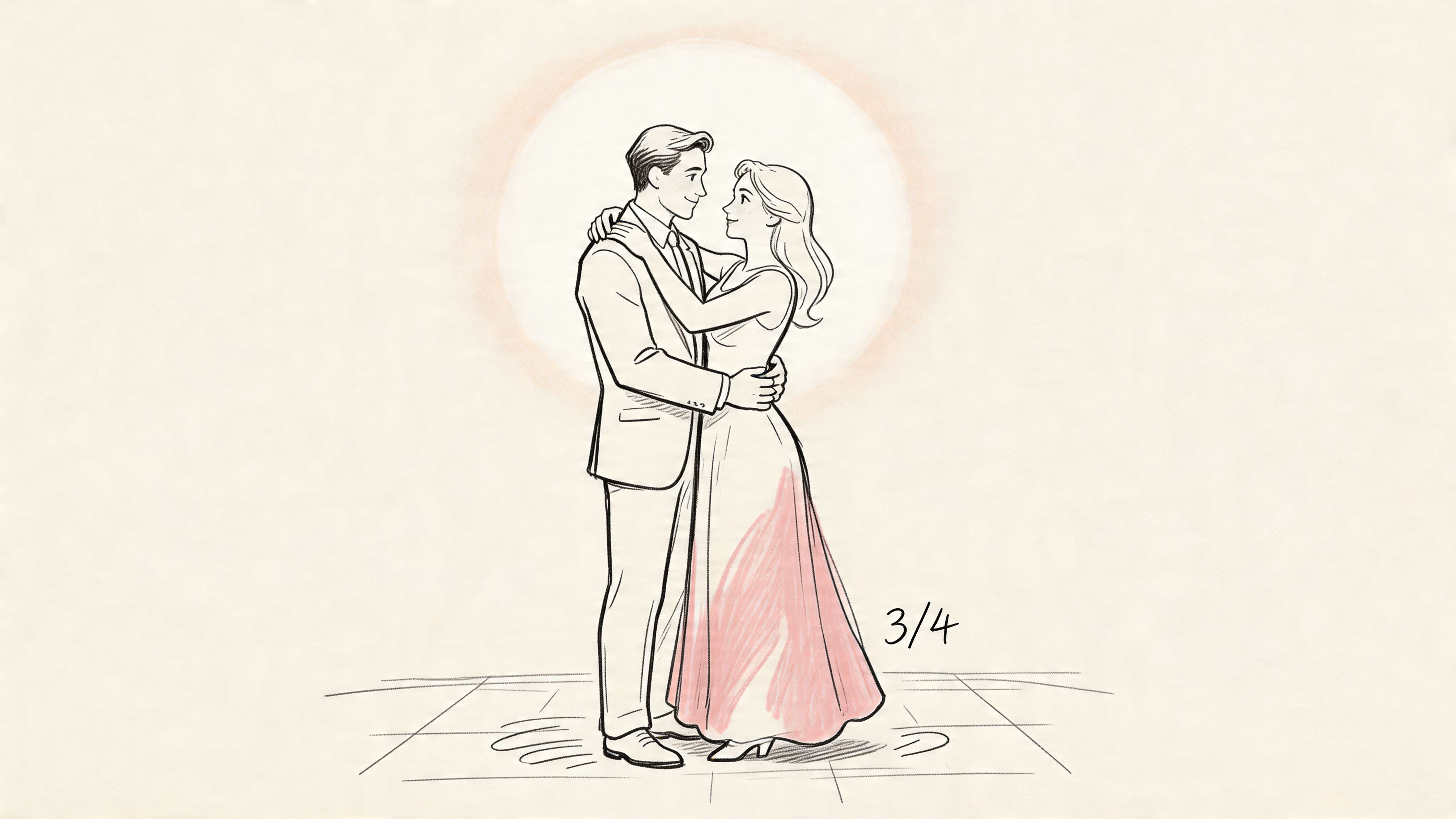
Some songs ask for stillness. “Unforgettable” asks for poise.
If your reception leans formal, this is one of the safest and strongest choices. It suits a ballroom setting, a black-tie crowd, and a dance floor that’s meant to feel elegant rather than theatrical. In a luxury wedding venue, that matters. You don’t need complicated choreography for this song to land well. A gentle box step, a slow turn, and a calm smile can carry the whole thing.
Why it works in the room
This song gives nervous dancers room to breathe. The pacing is unhurried, and the emotional tone is warm without becoming overly sentimental. That makes it especially effective when the father wants the moment to feel dignified instead of dramatic.
At a large capacity wedding venue, classic songs also travel well across the room. Older relatives recognize it instantly. Younger guests understand the mood right away. No one has to decode the choice.
Practical rule: If your father is worried about “performing,” choose a song that lets him stand comfortably rather than entertain.
A good planner will also place this dance carefully in the timeline. If your ceremony procession and reception flow are being designed together, it helps to think about how family moments build on each other. Couples working through timing often find it useful to review who walks down the aisle and in what order before they finalize reception sequencing too.
What doesn’t work
Don’t over-style this song. It’s not the place for a surprise cut, comedy move, or overly rehearsed routine. “Unforgettable” works because it feels natural. The more you force it, the less elegant it becomes.
2. The Way You Look Tonight by Frank Sinatra
This one has a little more movement in it. That’s its advantage.
“The Way You Look Tonight” is ideal when you want something timeless but not overly slow. For fathers and daughters who feel awkward swaying in place, a light foxtrot pattern can make the dance feel smoother and less exposed. Walking steps give both people something to do, and that often settles nerves faster than standing still.
A lot of couples choosing an indoor wedding venue want the room to feel polished but alive. This song does that well. It has the grace of an old standard, but it keeps the floor moving.
How to use it well
Practice the travel, not just the steps. In a reception venue with a full guest count, the center of the floor can feel smaller than it looks during a walkthrough. A few passes across a similar hard floor surface before the wedding can make a big difference.
This performance clip captures the mood many couples are after:
The best timing for this song is often just after the room has settled from dinner and before the party energy takes over. In a riverfront setting, sunset light can make this choice feel especially cinematic without becoming staged.
A real trade-off
This song needs a little posture. Not perfection, just posture.
If the pair tends to hunch inward when they’re nervous, the dance can look hesitant. One short lesson with a ballroom instructor can help, but even without formal coaching, standing tall, keeping the shoulders relaxed, and letting the steps glide instead of shuffle will improve the moment immediately.
3. Daughter by Loudon Wainwright III
Not every father and daughter dance needs polish. Some need honesty.
“Daughter” works best for families who don’t want the dance to feel too formal or too traditional. The emotional center of the song is direct. It feels conversational, reflective, and personal in a way that many modern couples prefer. If your wedding style is warm rather than grand, this can be the better choice over a standard everyone expects.
When authenticity matters more than technique
This is a strong option for a bride dancing with a stepfather, grandfather, uncle, or another loved one standing in that role. Father and daughter dances aren’t universal, and when fathers aren’t available, families often invite substitutes so the moment still reflects a meaningful bond. That flexibility has long been part of how these traditions continue for many families (wedding tradition background).
The best version of this song is often the simplest one. No count-heavy choreography. No trying to make the dance bigger than the relationship itself. A slow sway and one gentle turn is enough.
Let the faces do the work. Guests remember the expression more than the footwork.
What to avoid
Don’t pair this song with overly bright lighting or a busy floor. It needs intimacy. In a large wedding venue, ask your coordinator to create a quieter visual frame around the dancers so the room doesn’t swallow the moment.
This is also a poor choice if either person wants something upbeat. The emotional tone is sincere and slightly raw. If the relationship is more playful than reflective, another song will likely fit better.
4. My Girl by The Temptations
The band hits that opening bass line, and the room changes at once. Guests settle in, your father relaxes his shoulders, and the dance starts to feel less like a performance and more like a shared memory unfolding in real time.
“My Girl” suits couples who want the father-daughter dance to bring light into the reception without draining its emotional weight. It is affectionate, familiar, and easy for a full room to enter with you. At The Merrill Hotel, that matters. In a ballroom with polished service, candlelight, and a crowd that includes grandparents, college friends, and young cousins, this song keeps the moment warm and inclusive instead of overly formal.
Why it works so well in the room
This song has stayed popular for good reason. Guests know it quickly, which means they respond quickly. You do not have to teach the room how to feel.
That recognition also helps the dance sit in the right place within the reception story. If dinner has just ended and you want to reopen the room with tenderness before the party builds, “My Girl” does that job well. It creates a gentle lift rather than a full emotional stop, which is often the better choice for destination-style weddings where the evening needs to keep its flow.
Keep the movement easy. A sway, a slow turn, a few side steps, then a small spin if both dancers are comfortable. The best version usually looks effortless, but it still benefits from planning. In a luxury setting, simplicity reads as confidence.
If you are shaping a reception soundtrack that moves from classic family moments into a more upbeat celebration, it can also pair naturally with a playlist that includes country songs for bridal party entrance, especially for Midwest weddings where couples often blend Motown, country, and standards across the evening.
What to watch for
The trade-off is familiarity. Because guests love this song, couples sometimes assume it will take care of itself. It will not.
Choose your edit in advance. The full track can run longer than the emotional peak of the dance, so ask your DJ or bandleader for a clean ending after the strongest verse and chorus if either dancer feels self-conscious. Timing matters here. Too early in the night, and it can feel casual. Too late, after the dance floor is already in full swing, and it can lose its narrative importance.
Lighting matters too. This song can handle more brightness than a sentimental ballad, but it still needs focus. At The Merrill, I would keep the room softly lit, hold guests at the perimeter of the floor, and let the dance feel intimate inside a polished, high-end setting.
Choose this song when the relationship is joyful, steady, and easy in public. It gives fathers and daughters room to smile, laugh, and still land the moment with heart.
5. Butterfly Kisses by Bob Carlisle
The doors to the ballroom have opened, dinner has settled, and the room is ready for a quieter kind of attention. “Butterfly Kisses” works best right there, when the reception needs a true emotional center and the father-daughter dance is meant to feel like part of the story of the day, not just another song cue.
This is one of the more openly sentimental choices on the list. That is its strength. The lyrics name the transition in a direct, unmistakable way, which is why some families connect to it immediately and others know within seconds that it is too much for them.
Best fit for this song
Choose it when the relationship is affectionate in public and the family is comfortable with a visible emotional moment. At The Merrill, this song suits a polished reception where the dance floor can be cleared, the lighting softened, and the focus narrowed so the room feels intimate without losing the elegance of the setting.
It also fits couples building a reception soundtrack with a clear country thread. If that tone is already showing up elsewhere in the evening, including the country songs for bridal party entrance, this song can make the full event feel more cohesive.
The trade-off to know
Subtlety is not the point here.
If the father is reserved, or if the bride wants the dance to feel warm but understated, this song can place more emotion on the moment than they want to carry in front of a full room. That matters on video too. A song that feels moving in private can feel overly literal when replayed years later.
I usually recommend deciding on the edit before the reception. The strongest part of this song often arrives before the full track is over, so a shorter cut can preserve the emotional impact without asking either person to stay in that intensity longer than feels natural.
Choose “Butterfly Kisses” when the goal is a heartfelt pause that guests will remember in silence, then release with applause. Used at the right point in the evening, in the right room, it gives the father-daughter dance real narrative weight.
6. Sweet Pea by Amos Lee
Not every father and daughter dance needs to slow the room down. “Sweet Pea” is proof.
This song is light, affectionate, and a little more relaxed than the classics. It’s especially good for couples planning a modern reception at an all-inclusive wedding venue where the overall feel is refined but not rigid. If the bride and her father don’t want a formal ballroom look, this gives them another lane.
What makes it different
There’s a natural ease to this song. It supports a gentle sway, a small turn, and even a bit of walking without making either person feel like they’re doing “dance lessons on display.” That makes it a smart option for younger couples or for fathers who are more comfortable chatting, laughing, and moving casually than they are standing in a spotlight.
It also suits outdoor wedding venue celebrations and terrace moments. The lighter feel can work especially well when the evening hasn’t fully shifted into the emotional center of the reception yet.
A real-world example is the pair who always joke with each other. With “Sweet Pea,” they can keep some of that personality in the dance rather than trying to act more formal than they are.
What doesn’t work
Don’t use this song if you want a dramatic room hush. It won’t create that cinematic stillness. It creates affection and charm instead. That’s a strength, but only when it matches the relationship.
7. I Hope You Dance by Lee Ann Womack
This song widens the meaning of the moment. It isn’t only about a father holding on. It’s also about sending a daughter forward with blessing, hope, and trust.
That makes it one of the best choices when the dance needs to represent shared values more than nostalgia. It works particularly well in families where the emotional tone is encouraging and proud rather than overtly sentimental.
A strong choice for different family stories
This song can also feel more inclusive for non-traditional family structures. Existing discussions around these events often note that the traditional “father-daughter” framing can feel exclusionary, and many organizers now acknowledge the importance of welcoming stepfathers, grandfathers, uncles, caregivers, guardians, family friends, and others in meaningful roles (discussion of inclusivity in traditional dances).
That flexibility matters at a cultural wedding venue or destination-style celebration where family structures, customs, and formalities may vary from one side of the family to the other. For Indian wedding venue planning near Chicago, for example, a quiet parent-child dance can offer a personal interlude inside a larger, more layered celebration.
How to stage it
Keep the movement open and unforced. This song benefits from smiles, eye contact, and an outward-facing posture that lets the room witness the blessing in the moment.
A soft turn during the chorus works well. A highly choreographed routine usually doesn’t.
8. Cinderella by Steven Curtis Chapman
“Cinderella” is often chosen by faith-forward families, but its strength goes beyond that. At its heart, it’s about time moving quickly and a father recognizing that truth in real time.
This song carries tenderness without requiring a dramatic performance. If your wedding has a spiritual foundation, it can feel especially at home. If it doesn’t, the song can still work because the emotional message is understandable even for guests who don’t share the same beliefs.
Where it fits best
It works well in an indoor wedding venue with warm lighting and a quieter room. That’s because the song asks guests to listen. It isn’t background-friendly.
For many families, this is the song that makes the father emotional before the dance even begins. If that’s likely, simplify everything around it. Keep the announcement short. Start the music cleanly. Give the photographer a clear lane and ask them not to crowd the floor in the opening seconds.
This song also suits weddings where speeches and family rituals already carry emotional weight. It feels consistent in that setting.
One practical caution
If your reception style is energetic, modern, and party-driven from the start, this song can interrupt the flow too sharply. In those weddings, a lighter or more rhythm-forward track often creates a smoother transition.
9. You’ll Be in My Heart by Phil Collins
For couples who want a modern ballad without leaning too heavily into country or old standards, this is one of the strongest options.
“You’ll Be in My Heart” carries a message of unconditional love that feels immediate and universal. Even guests who recognize it from film tend to respond to the lyrics first. That’s why it works so well for father and daughter dances that are personal, not performative.
Why guests connect with it
The song’s emotional tone is protective and reassuring. It often feels right for brides who want the dance to acknowledge change without making the moment feel like a goodbye. That distinction matters. Some songs emphasize loss. This one emphasizes continuity.
It’s especially effective in receptions where the couple has mixed musical tastes across generations. The arrangement feels contemporary enough for younger guests, while the melody still reads as a heartfelt classic moment.
Keep the dance physically simple and emotionally open. This song gives you plenty to work with already.
Best setting for the moment
This is a beautiful fit in a softly lit ballroom or on a terrace where the background feels calm and spacious. In a large wedding venue, ask for the room lighting to narrow slightly around the dance floor so the mood feels intentional rather than diffuse.
10. In My Daughter’s Eyes by Martina McBride
This song turns inward. It’s reflective, mature, and a little more grounded than some of the more overtly sentimental choices.
If the father is thoughtful rather than expressive, this can be a better match than something with bigger emotional cues. The lyrics focus on identity, legacy, and how a daughter changes the way a parent sees himself. That perspective can make the dance feel especially meaningful for families who value quiet depth over outward display.
Why this song resonates
It invites presence. Not performance. Not nostalgia for its own sake.
That makes it a strong pick for a luxury wedding venue where the goal is often elegance with sincerity. The room doesn’t need to stop cold for this song to work. It just needs to give the pair enough space to be fully in the moment.
The strongest version of this dance often starts before the music. Talk about the song together. Ask what lines matter. Ask whether the dance should feel formal or just close and steady. That conversation tends to improve the moment more than extra rehearsal does.
For many couples, those same conversations lead naturally into larger reflection about family, marriage, and promises. If you’re already shaping language for the day, it can help to think about how to write wedding vows with the same honesty.
One last note on fit
Choose this when you want emotional substance without a heavy-handed mood. If you want joy first and reflection second, “My Girl” or “Sweet Pea” may serve you better.
10 Father–Daughter Dance Songs Compared
| Song | 🔄 Complexity (process/coordination) | ⚡ Resources & practice (time / support) | 📊 Expected outcome (impact / mood) | ⭐ Appeal / Effectiveness | 💡 Quick tip |
|---|---|---|---|---|---|
| Unforgettable, Nat King Cole (Slow Waltz) | Moderate, basic waltz steps, closed hold | ⚡ 1–2 weeks practice; optional 1–2 instructor sessions; formal floor space | Elegant, nostalgic, highly photogenic | ⭐⭐⭐⭐⭐ | Practice box step & center your position for visibility |
| The Way You Look Tonight, Frank Sinatra (Foxtrot) | Moderate–High, progressive foxtrot with glides | ⚡ 3–4 practice sessions; instructor recommended; clear sightlines | Graceful, dynamic movement across floor; cinematic photos | ⭐⭐⭐⭐ | Learn progressive walks first; cue sunset timing for photos |
| Daughter, Loudon Wainwright III (Folk) | Low, minimal choreography; natural sway | ⚡ Minimal practice; no instructor required; intimate lighting helps | Deeply authentic, emotionally resonant, tearful moments | ⭐⭐⭐⭐ | Prioritize connection over steps; position photographer discreetly |
| My Girl, The Temptations (Soul/Jazz ballad) | Moderate, slow frame, optional light swing styling | ⚡ 2–3 practice sessions; possible choreographer for mature styling | Distinctive, sophisticated, theatrical and memorable | ⭐⭐⭐⭐ | Focus on strong frame and timed peaks with vocal moments |
| Butterfly Kisses, Bob Carlisle (Country) | Low, gentle sway or simple walking steps | ⚡ Minimal practice; tissues recommended; suits regional audiences | Highly sentimental; powerful emotional response, regional favorite | ⭐⭐⭐⭐⭐ | Keep movements simple and prepare for emotional moments |
| Sweet Pea, Amos Lee (Folk-Pop) | Low, upbeat yet simple movement | ⚡ 1–2 rehearsals to match tempo; flexible floor needs | Lighthearted, modern, joyful and approachable | ⭐⭐⭐⭐ | Use small spins or smiles to match the brighter tempo |
| I Hope You Dance, Lee Ann Womack (Country Waltz) | Moderate, country waltz or active sway | ⚡ 2–3 sessions to feel comfortable with waltz timing | Empowering, multi-generational, celebratory rather than nostalgic | ⭐⭐⭐⭐ | Learn basic country waltz box step; emphasize joyful energy |
| Cinderella, Steven Curtis Chapman (Contemporary Christian) | Low, gentle, connected movements | ⚡ Minimal practice; choose reverent rendition if desired | Intimate, spiritually meaningful for faith-focused families | ⭐⭐⭐⭐ | Use quiet moments for eye contact; ensure tasteful arrangement |
| You'll Be in My Heart, Phil Collins (Modern Ballad) | Low, slow swaying, minimal choreography | ⚡ Minimal rehearsals; works with small dance areas | Universal, tender, emotionally steady and accessible | ⭐⭐⭐⭐ | Keep movement minimal and focus on authentic connection |
| In My Daughter's Eyes, Martina McBride (Contemporary Ballad) | Low–Moderate, reflective, present movement | ⚡ 1–2 rehearsals; good for thoughtful staging | Introspective, meaningful, strong for fathers expressing legacy | ⭐⭐⭐⭐ | Discuss song meaning beforehand to deepen authenticity |
Beyond the Last Step at The Merrill
The song ends. Your father lets go of your hand. For a beat, the room stays quiet before the applause starts, and that pause often becomes one of the clearest memories of the night.
That moment deserves planning that goes beyond the playlist. The father-daughter dance works best when it has shape. A short introduction keeps the focus on the relationship instead of turning the moment into a production. The band or DJ needs a clean cue. Photo and video teams need to be set before the first note so they can capture reactions, not scramble for position.
Placement matters just as much. In most receptions, this dance lands best after the couple's first dance or at the point where dinner gives way to a fuller celebration. That order helps the evening breathe. It gives guests an emotional pause before the energy rises again, and it keeps the dance from feeling buried between service cues, speeches, or open dancing.
At The Merrill Hotel, the setting supports that pacing. The Grand Ballroom has the scale couples want for a polished Midwest wedding, but the room still keeps guests visually connected to the dance floor. That matters more than couples expect. A father-daughter dance feels stronger when family can see expressions, not just silhouettes in the distance.
For weddings that stretch across a full weekend, the property also solves practical problems that can weaken intimate moments. Guest rooms, event spaces, riverfront views, and on-site coordination keep people nearby and the timeline easier to manage. Couples hosting family from Muscatine, Davenport, Bettendorf, Moline, Rock Island, Chicago, Naperville, or Aurora often need that kind of structure. It reduces rushing, late arrivals, and avoidable stress right before a meaningful dance.
The same applies to multi-event celebrations and weddings with layered traditions, including Indian wedding venue celebrations and other family-centered formats. A parent-child dance does not need to compete for attention. It needs the right placement, enough room to breathe, and a setting that matches the tone of the day.
Some families also decide that a traditional dance is not the right fit. That choice can work beautifully. A toast, a photo montage set to music, or a spoken dedication can carry the same emotional weight if it reflects the relationship honestly.
If you’re searching for a wedding venue in Muscatine, a large wedding venue near the Quad Cities, or a destination-style luxury wedding venue for family traveling from Chicago and Illinois, The Merrill Hotel offers the setting, flexibility, and calm coordination that let moments like your father-daughter dance feel effortless. Explore the spaces, ask about full-weekend celebrations, and start planning a reception that feels personal from the first entrance to the last song.