
There comes a point when the idea of a family reunion feels both necessary and overwhelming. It often starts as a quiet thought, the simple desire to get everyone in the same place for a weekend to just be together. But that thought is quickly followed by the practical questions. Where do you even begin?
What I have seen over the years is that the most meaningful gatherings come not from flawless execution, but from a calm and steady approach to planning. This is not about creating a perfect event. It is about creating space for connection, for stories to be shared, and for new memories to be made.
A well-structured family reunion planning checklist is more than a list of tasks. It is a tool that helps quiet the noise of coordination, allowing you to focus on what truly matters, one step at a time. It breaks down an enormous undertaking into manageable pieces, from the first conversations about a date to the final goodbyes. The process itself can become a way to connect with relatives as you delegate roles and gather ideas.
It helps to remember that the ultimate goal is togetherness. The planning is simply the path to get there. This guide offers a clear framework to help you bring your family together with a sense of ease and confidence.
How do we know who is coming?
Before any other detail can fall into place, you need to know who is coming. This first step in your family reunion planning checklist is less about logistics and more about connection. It begins with creating a master list of family members across all generations and gathering their current contact information, which can be a meaningful project on its own.
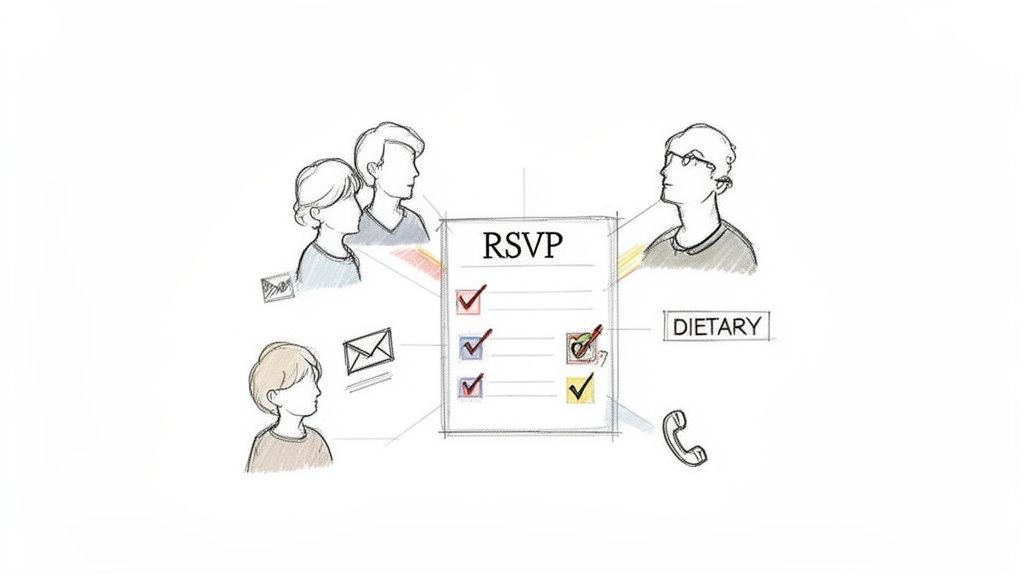
From there, the focus shifts to clear and consistent communication. Sending a save-the-date message four to six months in advance gives everyone enough time to arrange travel and time off. As planning progresses, it helps to centralize all information. Many families find success creating a private Facebook group or a shared Google Drive folder where the schedule, hotel details, and directions are always available.
- Set an RSVP Deadline: Request that guests confirm their attendance at least four to six weeks before the reunion. This provides a firm headcount for your venue and caterer.
- Use Digital Tools: Platforms like Evite or Google Forms can simplify tracking responses and help you collect important details like dietary needs.
- Create a Central Hub: Choose one primary platform for all major updates. This prevents confusion and ensures no one misses important information.
- Send a Final Logistics Guide: About one week before the event, send a guide with a final schedule, parking maps, the hotel address, and contact information for the organizer. It’s a small gesture that helps guests feel prepared.
Managing a guest list is foundational, much like the process of building one for a wedding. You can find some helpful parallels in our guide to streamlining your guest list planning.
How do we choose the right place?
Once you have a general sense of your guest count, the next step is finding a place to gather. The right venue does more than just provide a room; it becomes the backdrop for the entire weekend, simplifying logistics for everyone involved. For reunions where family is traveling, choosing a location that offers lodging, dining, and event spaces all in one place can make the difference between a stressful trip and a relaxing one.
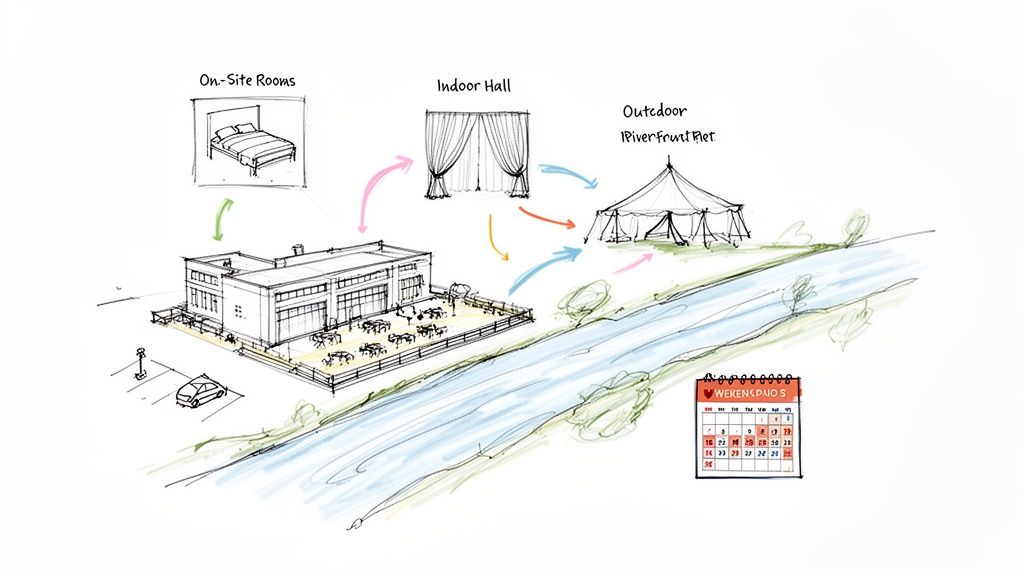
Think of it as creating a home base. When guests can check into their rooms, meet for dinner downstairs, and gather for activities without needing to drive, the reunion feels more connected. This is especially helpful for multi-generational families, as it accommodates varying schedules and energy levels. It allows everyone to participate at their own pace, which is a quiet but important part of a successful gathering.
- Book Well in Advance: For popular seasons, it helps to secure your venue nine to twelve months ahead of time. This gives you the best selection of dates.
- Request a Site Visit: Walk through the space to understand the flow between indoor and outdoor areas. This helps you visualize the event and plan for things like rain.
- Negotiate a Room Block: Ask the venue about setting aside a block of hotel rooms for your guests at a discounted rate. This simplifies booking for travelers and keeps everyone together.
- Verify Accessibility: Ensure the venue has features like ramps, elevators, and accessible parking so all family members can navigate the space comfortably.
Choosing a venue sets the tone for the entire event. You can see more on what to consider when you learn how to choose your event venue.
What should we do about food?
Food is more than just a meal at a family reunion. It is a shared experience that connects generations. Planning the menu is a chance to honor family traditions and ensure every person feels welcomed and cared for. This step goes beyond simply choosing dishes and focuses on creating an inclusive dining atmosphere.
The process often begins by thinking about the flavors your family loves. Are there cherished recipes that can be incorporated? Or perhaps regional specialties that tell a story? A venue’s culinary team can often work with you to design a menu that feels personal, whether it’s a formal dinner, a casual lunch, or a farewell brunch. The goal is to create a dining experience that feels both special and comfortably familiar.
- Collect Dietary Needs Early: Use your RSVP form to ask about allergies or religious dietary restrictions. Having this information from the start helps you plan an inclusive menu.
- Offer Variety for All Ages: A good menu balances refined dishes for adults with familiar comfort foods for children. Including a 'build-your-own' station is an excellent way to cater to diverse tastes.
- Plan Different Meal Styles: Vary the atmosphere across the reunion. You could schedule an elegant plated dinner one evening and a relaxed brunch before everyone departs. This keeps the experience interesting.
- Communicate Clearly with Your Caterer: Provide your venue with a written list of all known dietary needs and allergies at least two weeks before the event. Also, confirm your final guest count at this time.
Where will everyone stay?
Once you have a general sense of who is traveling, the next step is to ensure they have a comfortable and convenient place to stay. Arranging accommodations is more than a logistical task; it’s an act of hospitality that helps out-of-town family members feel welcomed from the moment they arrive.
This step often involves securing a room block at a host hotel, which simplifies the process for everyone. Negotiating a group rate not only saves your guests money but also keeps everyone together, making spontaneous conversations and shared breakfasts much easier. It turns separate trips into a shared, collective experience.
- Book Well in Advance: It helps to start the conversation with a hotel six to nine months before your event. This gives you the best chance at securing the rooms you need at a favorable rate.
- Request a Tiered Block: Families have different needs. Ask the hotel for a mix of room types, such as standard rooms, suites for larger families, and accessible rooms.
- Communicate Booking Details Clearly: Create a simple instruction sheet for your family. Include the hotel's name, the group booking code, the reservation deadline, and a direct link for booking.
- Anticipate Accessibility Needs: Proactively reserve a few ground-floor or accessible rooms for older family members. Taking care of this detail before they have to ask is a thoughtful gesture.
Having everyone under one roof simplifies everything. You can discover more about the benefits of this approach in our guide to venues with on-site lodging.
How do we structure the weekend?
Once the big pieces are in place, the focus can shift to the flow of the reunion itself. A well-planned schedule is the framework that holds the weekend together. It provides a gentle rhythm, giving everyone a clear sense of what comes next without feeling rushed or over-managed.
A thoughtful timeline allows for both structured events and the quiet, unplanned moments where the best memories are often made. It helps relatives, especially those traveling from afar, to feel grounded. Knowing when to gather for a group photo or when to expect dinner lets everyone relax and fully engage with one another.
- Build in Buffers: Always schedule fifteen to twenty-minute buffers between activities. This gives people time to move from one space to another or simply finish a conversation.
- Balance Group and Free Time: Plan a main event each day but leave afternoons open for naps, walks along the river, or small-group chats.
- Create a Visual Guide: A simple, printed schedule or a digital version sent via email is incredibly helpful. Use clear headings so information is easy to find.
- Consider All Ages: When scheduling meals, think about the youngest and oldest family members. An earlier dinner time often works better for families with small children or elderly relatives.
What about travel and parking?
Once you know where everyone is staying, the next step in your family reunion planning checklist is to think about how they will get there. Addressing transportation and parking ahead of time removes one of the biggest sources of day-of stress for guests, especially those unfamiliar with the area. It’s a thoughtful detail that ensures a smooth arrival for every family member.
This step involves more than just sending an address. It’s about anticipating needs, like coordinating airport pickups for relatives flying in or creating simple directions for those driving. By planning arrival windows and providing clear parking maps, you prevent confusion and allow guests to transition from their travels to the celebration with ease.
- Provide Clear Directions and Maps: Create a simple guide with the venue's address and a visual map. Highlight key landmarks for those who may lose cell service.
- Coordinate Airport Shuttles: For out-of-state guests, arranging a shared airport shuttle or coordinating carpools can be a welcoming gesture.
- Communicate Parking Details in Advance: In all communications, include a clear map of the parking situation, showing designated guest parking and accessible spots.
- Manage Arrival Flow: Suggest an arrival window to stagger arrivals and prevent a bottleneck at the front desk. This helps maintain a calm, organized atmosphere.
How do we help everyone connect?
The heart of a reunion is not just being together, but doing things together. This step is about creating opportunities for connection across all ages and personalities. The goal is to design a mix of activities that encourage interaction without feeling overly structured.
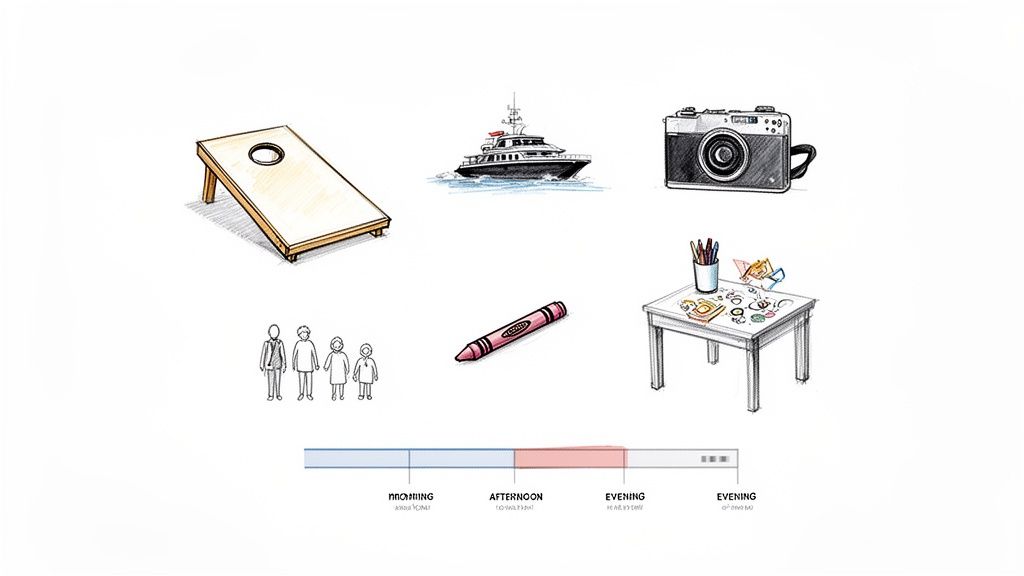
It starts with understanding your family’s interests. Some may enjoy a friendly cornhole tournament, while others might prefer sharing old photographs or taking a walking tour of historic downtown Muscatine. Offering a variety of optional activities ensures everyone can find their own way to participate and feel included.
- Balance Group and Optional Events: Plan one or two anchor activities that bring everyone together. Supplement these with optional activities so guests can choose their level of involvement.
- Accommodate All Energy Levels: Schedule more physical games earlier in the day and plan for relaxed activities in the evening. Providing shaded seating for those who prefer to watch is a thoughtful touch.
- Plan a Weather Contingency: If you have outdoor activities planned, it helps to have an indoor backup. A meeting room can easily host board games or a family talent show if the weather turns.
- Incorporate Family History: Dedicate time for sharing stories or displaying a family tree. These moments often become the most cherished, connecting younger generations with their heritage.
Should we hire a photographer?
While phone snapshots are wonderful, professional photography can capture the legacy of the reunion. This step is about investing in memories that can be passed down through generations. A professional can manage the logistics of capturing both posed group portraits and the candid, unscripted moments that often mean the most.
Coordinating this involves more than just booking someone. It requires thoughtful planning around timing, locations, and the specific groupings you want to document. From a formal all-family portrait on the riverside terrace to a fun photo booth, these visual records become cherished family artifacts.
- Book Well in Advance: Secure your photographer four to six months ahead, particularly for peak summer dates.
- Schedule Dedicated Photo Time: Add a thirty to forty-five-minute slot to the official schedule specifically for group photos. This ensures everyone is present and aware.
- Plan Key Photo Groupings: Prepare a list of desired photo combinations in advance. This might include one photo of the entire family, then smaller groupings by branch.
- Clarify Deliverables and Rights: Before signing a contract, confirm the delivery timeline and format. It is also important to secure the rights to the digital files so all family members can freely download and share the images.
How can we make sure everyone feels included?
A truly successful reunion is one where every family member feels not just included, but also comfortable and cared for. This step is about looking beyond the main events to consider the individual needs of your guests. Thinking through accessibility ahead of time ensures everyone can participate without stress.
It starts with acknowledging that accessibility means different things to different people. For some, it may be a wheelchair-accessible guest room. For others, it might be a quiet space to decompress or a menu that accommodates specific dietary needs. The goal is to anticipate these needs so that family members do not have to ask.
- Inquire with Care: On your RSVP form, include a discreet, optional question. Phrasing it as, "To ensure everyone has a comfortable experience, please let us know if you require any specific accommodations," makes people feel supported.
- Plan Accessible Routes: As you design the schedule, ensure all activities are located in spaces that can be accessed without stairs.
- Prepare Thoughtful Materials: Not all needs are physical. Providing large-print schedules is a simple gesture that makes a difference for guests with visual impairments. A designated quiet room can be a sanctuary for anyone who needs a moment away.
- Coordinate with Your Venue: Let your event coordinator know about specific requirements in advance. The venue staff is there to help facilitate a seamless experience for every guest.
How do we manage the budget?
Money can be a sensitive topic, which is why a clear and transparent budget is one of the most important parts of a successful reunion. Establishing financial expectations early on prevents misunderstandings and helps everyone feel comfortable. The goal is to create a realistic plan that covers all shared costs and communicates them clearly.
Begin by getting itemized quotes for major expenses like the venue, catering, and entertainment. Once you have these figures, you can determine a per-person or per-family cost. Deciding on a cost-sharing model, such as a flat fee for group meals while individuals cover their own lodging, sets a foundation for financial harmony.
- Build a Contingency Fund: It's wise to add a ten to fifteen percent contingency to your total budget. This buffer provides peace of mind for unexpected expenses.
- Use a Tracking Spreadsheet: A simple Google Sheet or Excel file is an effective tool for tracking all quotes, deposits, payments, and due dates.
- Establish a Payment System: Decide how funds will be collected. Digital platforms like Venmo or a dedicated bank account can simplify the process. Set a clear deadline for contributions.
- Communicate Costs Clearly: When you share the per-person cost, provide a simple breakdown of what it includes. Transparency helps family members understand the value and ensures everyone is on the same page.
What People Remember in the End
After months of following a family reunion planning checklist, a moment arrives when the spreadsheets and schedules no longer matter. I have seen this happen hundreds of times. The planning phase ends, and the reunion itself begins. All the work you have done has one simple purpose: to create space for connection.
What lasts are not the perfectly timed transitions. The memories that people carry with them are quieter. It is the spontaneous storytelling that happens over breakfast, with three generations at one table. It is the easy laughter shared on a walk along the river, as the sun sets over Muscatine. It is the simple feeling of seeing faces you have loved your whole life, all together in the same room.
The checklist is not the point. The checklist is the tool you use to clear away the logistical stress so these organic moments can surface. When travel is simple, when everyone has a comfortable place to stay, and when meals appear without effort, families can relax. They can focus on each other instead of the details. That is the real goal of all this planning.
Success is not a flawless itinerary. It is a feeling. Did people leave feeling more connected? Your role as the planner is to facilitate that ease. By thinking through the details, you lift a heavy burden from everyone’s shoulders, including your own. It helps to remember that your family is not gathering to judge your event-planning skills. They are coming to be together. The most thoughtful details are the ones that make togetherness feel effortless.
When you are ready to create a space where your family can simply be together, The Merrill Hotel handles the details so you can focus on the moments. With lodging, catering, and beautiful gathering spaces all under one roof, we provide the calm foundation for a memorable reunion. Learn more at The Merrill Hotel.