
A couple from Chicago arrives on Friday night. Family members are checking into rooms. A welcome gathering starts by the river. The next morning brings hair and makeup, deliveries, a ceremony, dinner, and a packed dance floor. If the plan is loose, everyone feels it.
Good event planning starts earlier than many people expect. The actual work is deciding how the day should move, where guests need support, and which choices will shape the mood once people are in the room. A checklist helps because it turns a big, emotional project into timed decisions about space, staffing, budget, vendors, communication, and follow-up.
That structure changes the guest experience.
For weddings, retreats, fundraisers, and corporate events, the strongest plans reduce rushed handoffs and late corrections. They protect the budget. They also protect the feeling of the day. Guests may never notice a well-built timeline, but they notice when valet backs up, dinner runs late, or out-of-town family has nowhere easy to gather between events.
At The Merrill Hotel in Muscatine, those details carry extra weight. The riverfront setting gives an event atmosphere right away, but atmosphere alone does not run a weekend. Room blocks, ceremony and reception flow, catering timing, parking, travel from Chicago or the Quad Cities, and the handoff between one event and the next all need to be set with care. That is especially true for destination couples and for large cultural weddings, including Indian wedding weekends, where multiple celebrations may need different layouts, longer timelines, private getting-ready space, and a team that can handle transition points without confusion.
This guide is built around that reality. It is practical. It follows a real planning timeline. And it is shaped for couples choosing among wedding venue options in Muscatine, Davenport, Bettendorf, Moline, Rock Island, and the wider Midwest, especially when the goal is not just a beautiful room, but a weekend that feels calm, generous, and well run.
1. Establish Your Vision & Guest Count (10-12 Months Out)
A Chicago couple arrives in Muscatine for a venue tour with one idea in mind. Dinner by the river. Then they start listing who is coming. Parents. College friends. Children. Out-of-town relatives. A full baraat. The event they pictured still works, but only after the scale becomes clear.
That is the first job at this stage. Define the experience you want, then pressure-test it against attendance.
Guest count shapes nearly every planning choice. It affects room layout, service pace, hotel block needs, transportation, ceremony options, and how relaxed the weekend feels for people who traveled in. At The Merrill Hotel, that question matters even more because the property can host very different kinds of celebrations well. An intimate riverfront wedding feels one way. A large, multi-day cultural wedding feels another. Both can be beautiful. They just require different use of space and different timing decisions.
Start with a range, not a fantasy number. A working estimate is enough.
Use a few grounded prompts:
- Ceremony style: Calm and minimal, formal and traditional, or layered with multiple customs and rituals.
- Guest mix: Mostly local attendees, or a heavy share of travelers from Chicago, the suburbs, or other Midwest cities.
- Event shape: One main celebration, a full wedding weekend, or several connected events across multiple days.
- Family expectations: Adults-only evening, child-friendly schedule, or a format that includes elders, extended family, and community guests.
That last point often decides whether a plan feels easy or strained. Large Indian weddings and other cultural celebrations usually need more than a ballroom and a reception timeline. They may need separate gathering spaces, room for wardrobe changes, longer ceremony windows, hospitality for guests arriving throughout the weekend, and clear transitions between one event and the next. Couples evaluating different cultural wedding venues should ask those questions early, before they get attached to a look that cannot support the format.
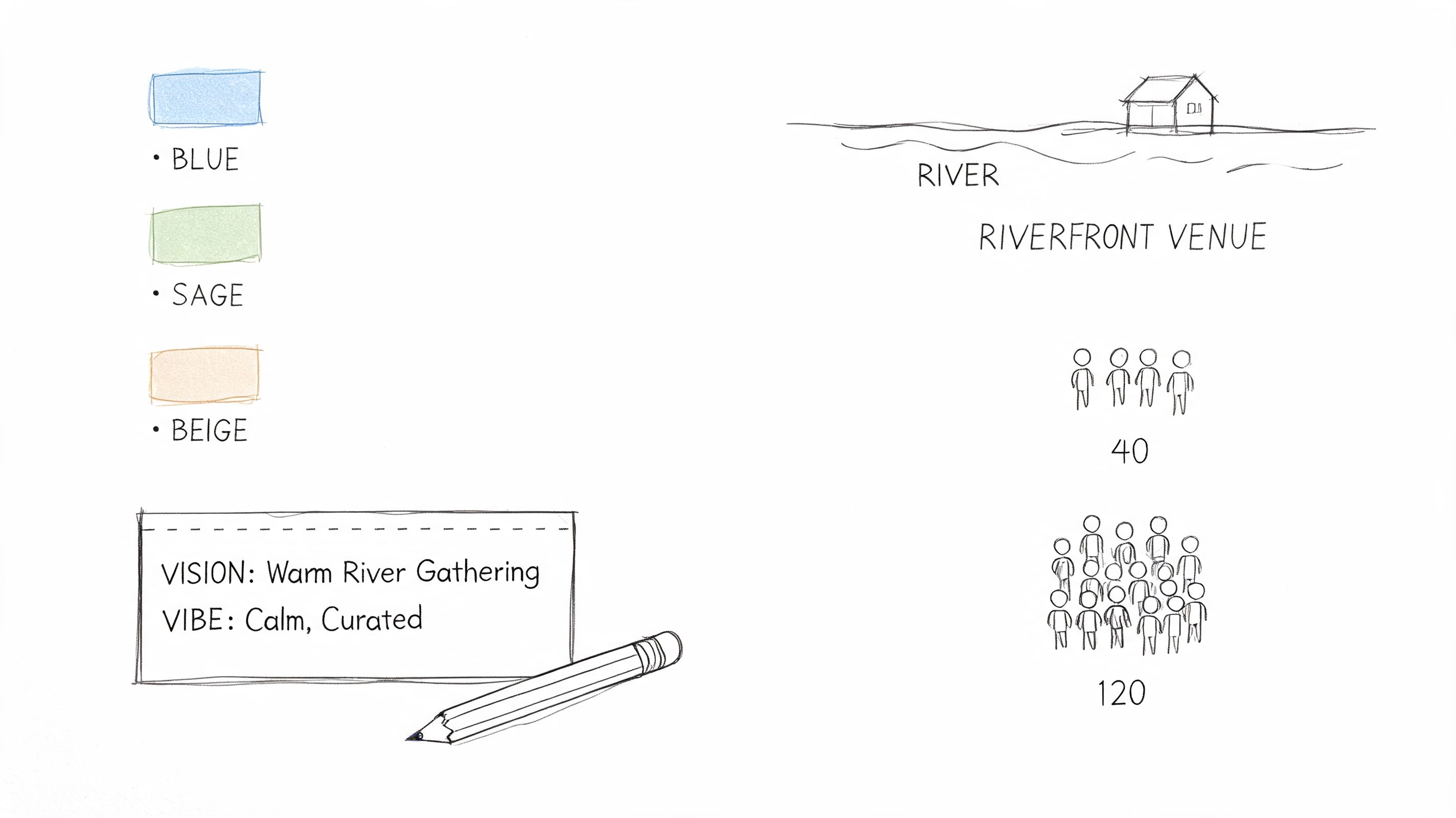
Write down what success looks like in plain language. Not just "beautiful." Try "guests stay in one place all weekend," "older relatives do not need complicated transportation," or "the ceremony feels traditional and the reception still ends on time." Those goals help you make sharper choices later, especially when you begin choosing a wedding venue that fits your format and guest needs.
One practical rule holds up every time. If the guest count is still loose, treat every venue conversation as tentative.
This is also where trade-offs become useful. An outdoor ceremony by the river may be the right choice for the mood. An indoor backup nearby may be the right choice for guest comfort, schedule protection, and peace of mind for families traveling from Chicago or Naperville. That is not a step down. It is how good planning protects the feeling of the day.
At 10 to 12 months out, clarity beats detail. Know the kind of event you are hosting. Know roughly how many people need to fit into it. The rest of the checklist gets much easier once those two pieces are honest.
2. Secure Your Venue & Date (9-11 Months Out)
A date feels real the moment the venue is under contract. Guests can plan. Vendors can hold the weekend. The event starts taking shape in a way mood boards never can.
Venue choice sets the pressure level for the whole celebration. It affects how people arrive, where they gather between events, how long transitions take, and whether the day feels calm or scattered. For destination wedding couples coming from Chicago, that matters even more. Travel is already part of the experience. The venue should reduce moving parts, not add more.
At The Merrill Hotel, the riverfront setting and on-site amenities make that trade-off easy to see. A welcome gathering, ceremony, reception, and farewell brunch can stay tied to one home base instead of being spread across town. That usually creates a better guest experience, especially for older relatives, families with children, and wedding parties managing a full weekend schedule.
Large cultural weddings need an even closer read on logistics. Indian weddings and other multi-event celebrations often require longer access windows, room for multiple ceremonies, specialty catering coordination, and guest flow that still feels gracious at scale. A beautiful room is not enough. The venue has to hold the pace of the weekend.
What to confirm before you sign
Ask about the details that shape how the event feels:
- Event flow: Can the property handle ceremony, cocktail hour, reception, and next-day brunch without long resets or guest confusion?
- Guest lodging: Are enough rooms available on site or within a short, simple transfer?
- Cultural fit: Can the team support a baraat, separate prayer space, décor load-in, or extended celebration timing if needed?
- Weather backup: If the ceremony is planned outdoors by the river, what indoor option is held, and how quickly can the switch happen?
- Vendor access: How do load-in times, kitchen policies, and setup windows work for planners, decorators, entertainment, and photo teams?
Use a practical venue checklist while you tour. This guide to choosing a wedding venue based on guest flow, format, and logistics is a good place to start.
One pattern shows up often. Couples fall for the ceremony view first, then discover the reception is in another location, the room block is limited, or the rain plan changes the whole layout. That is where stress starts. A stronger venue decision protects the mood of the weekend because the backup plan already belongs to the plan.
A good venue makes the schedule feel lighter because the hard logistical problems were solved months earlier.
Secure the venue and date with the full weekend in mind. You are not only reserving a room. You are choosing how the celebration will move, where guests will rest, and whether the event feels held together from the first arrival to the last goodbye.
3. Define Your Budget & Track Spending (8-10 Months Out)
A budget starts to matter the moment the weekend gets real.
A Chicago couple may price the ceremony first, then realize they also need welcome drinks, room blocks, shuttle timing, and a farewell brunch. A large cultural wedding may need multiple meals, extended décor access, separate event looks, guest hospitality, and space for ceremonies across several days. The number on the proposal is only the beginning. The full guest experience is what costs money.
Set up the budget as a working document with clear categories and one person responsible for updates. Venue, food, bar, rentals, entertainment, floral, photography, transportation, attire, stationery, accommodations, and contingency all need their own line. Each change should be logged as it happens. That habit matters because small upgrades tend to arrive unnoticed, then show up all at once.
At a property like The Merrill Hotel, package structure can make forecasting easier. Connected event spaces, on-site lodging, in-house culinary service, and a setting that supports more than one event across the weekend can reduce coordination gaps and surprise costs. That does not mean every bundled option is the right fit. It means the budget is easier to read early, which gives couples more control.
What to measure in package value
Ask what the proposal carries from start to finish.
- Furniture and core setup: Tables, chairs, linens, glassware, and service pieces affect the actual spend quickly.
- Food and beverage operations: In-house service usually creates fewer handoffs between teams.
- Labor: Setup, teardown, room flips, and staffing hours need to be visible.
- Guest logistics: Lodging, parking, shuttle needs, and event-to-event transitions shape both cost and comfort.
- Planning support: Strong venue coordination often prevents expensive late fixes.
For destination weekends near Muscatine and the Quad Cities, evaluate each option based on total execution load. A lower venue fee can still produce a heavier budget once outside rentals, off-site transportation, extra staffing, and split-day logistics are added back in.
The wedding cost planning guide for couples pricing venues, catering, and weekend wedding details helps frame those decisions in a practical way. Budget stress usually comes from scope drift, not from a clear yes to something meaningful.
Budget test: If a line item cannot be explained in one sentence, it usually is not scoped tightly enough.
One pattern shows up often. Couples choose a lower base price, then spend months stitching together separate vendors, separate locations, and separate responsibilities. The bill grows. So does the mental load.
A more connected plan often feels lighter on the day itself. Guests know where to go. Family moves less. Transitions stay calm. And the budget reflects the event you are hosting, not the version that only looked affordable in the first quote.
4. Book Priority Vendors (7-9 Months Out)
Some vendors fill in details. Others define the day.
Photography shapes what lasts. Entertainment shapes energy. Floral and design shape first impression. Planning support shapes whether all of it works together. Those are the people to book first after the venue.
At a hotel venue with an in-house culinary team, food may already be covered. That's helpful because it lets you focus on the creative and sensory partners who bring the event to life.
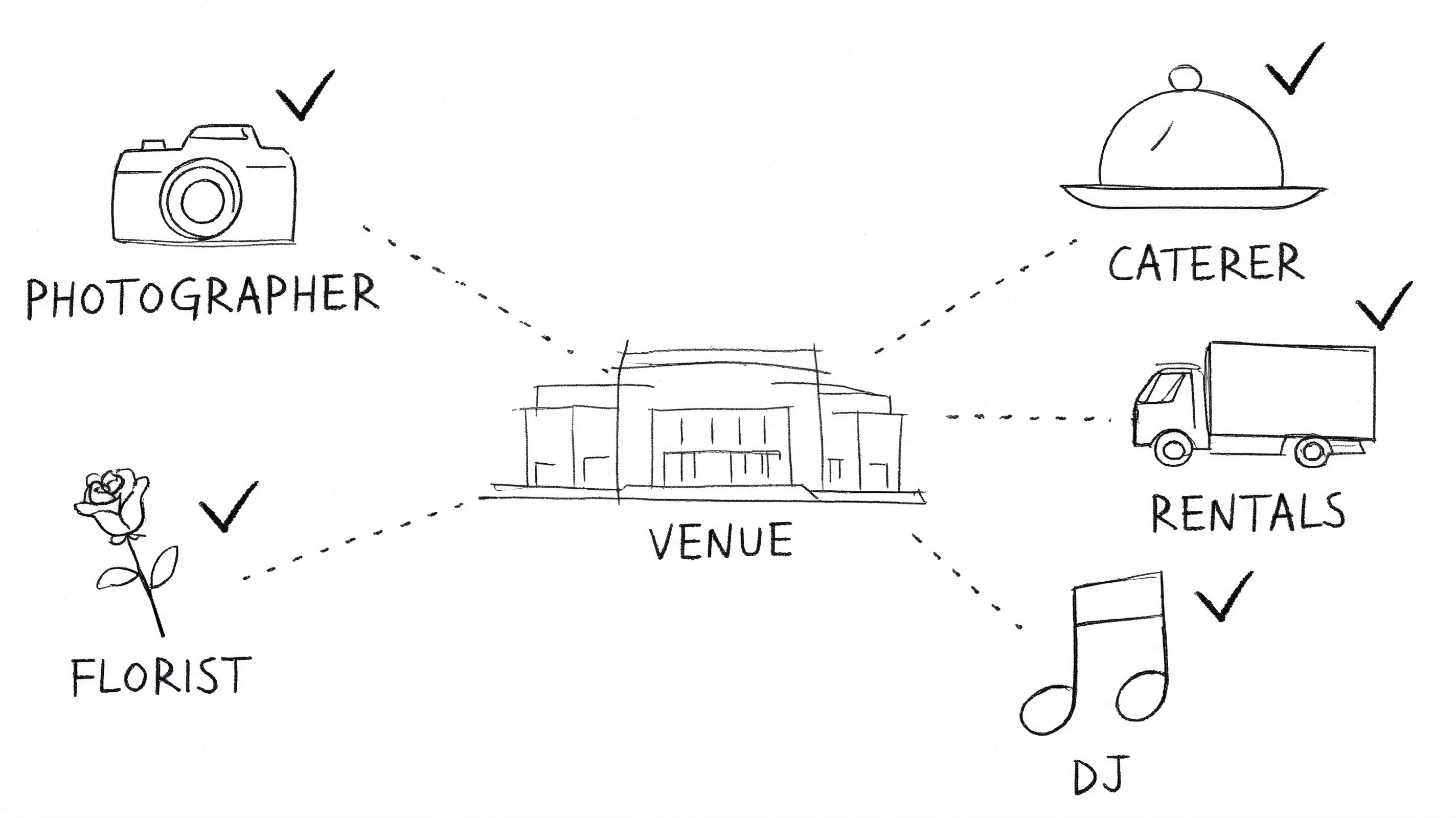
Choose vendors who understand sequence
A beautiful florist who doesn't understand load-in windows can create stress. A great band that needs a different room setup can disrupt dinner flow. A photographer who knows how natural light moves through the property can save time without making the couple feel rushed.
That local knowledge matters for a wedding venue in Muscatine or a destination wedding weekend near the Quad Cities. Regional vendors who already know the property often work more smoothly with the venue team.
A simple way to screen vendors is to ask how they handle change. Weather shifts. Timelines compress. Family formals run long. The right answer isn't perfection. It's calm adaptation.
Events.com recommends treating registration conversion as a core funnel KPI, tracking registrations by channel before the event and connecting that with on-site signals such as RFID badge scans, QR-code attendance, booth visits, and dwell time, while also including instrumentation like UTM-tagged landing pages, channel attribution, scan-enabled check-in, and post-event feedback collection in its event performance guidance. Corporate planners should pay close attention to that. Wedding clients can borrow the principle in a lighter form. Track where inquiries come from, which pages or planners drive the strongest leads, and which vendor referrals actually convert.
That kind of pattern spotting helps over time. You learn which partnerships are reliable and which ones look good only at the start.
For Indian wedding venue planning or multi-day cultural events, vendor coordination becomes even more important. Decor teams, entertainment, specialty rentals, beauty teams, and family schedules all overlap. The best vendor teams don't just deliver their part. They leave room for everyone else to do theirs well.
5. Plan Your Menu & Tasting (4-6 Months Out)
Guests remember two things with unusual clarity. How the room felt, and how the meal went.
Food doesn't need to be extravagant to be memorable. It needs to be well paced, well served, and aligned with the event. A formal plated dinner creates one kind of rhythm. Stations create another. A brunch after a wedding weekend asks for something entirely different.
At a reception venue with an in-house culinary team, the tasting is where the event starts to feel real. You're no longer discussing concepts. You're making choices your guests will experience.
Build the menu around the room and the timeline
A strong menu works with the event, not beside it.
- Match service style to energy: A plated meal supports speeches and formality. Stations encourage movement and conversation.
- Think about guest travel: Out-of-town guests often arrive tired. Hospitality starts earlier than dinner.
- Plan dietary inclusion early: Vegetarian, vegan, allergy-aware, and culturally specific needs shouldn't be solved at the last minute.
This matters even more for cultural wedding venue planning. If a family is balancing tradition, guest expectations, and multiple events across a weekend, menu planning needs enough time for real decisions. Not rushed approvals.
One useful gap in many event planning checklists is accessibility and inclusion. Whova notes that accessibility is often mentioned only briefly, despite the fact that an estimated 1.3 billion people globally, or about 16% of the population, live with a significant disability in its discussion of commonly forgotten event checklist details. Food service is part of that conversation. Buffets need navigable spacing. Signage needs clarity. Staff need to know how to answer questions about ingredients with confidence.
Make the menu easy to enjoy, not impressive to explain.
A practical example is the farewell brunch. Couples sometimes treat it as an afterthought, but for destination-style weddings it often becomes one of the most appreciated parts of the weekend. Guests get a slower moment. Families can reconnect. The event lands softly instead of ending in a rush.
6. Design Your Event Timeline & Flow (3-4 Months Out)
A riverfront wedding can feel calm and beautifully paced. It can also feel rushed by 6:15 p.m. because portraits ran long, guests were unsure where to gather, and three important moments got stacked too close together.
Timeline work decides which version guests experience.
At this stage, build the day around movement, energy, and reset points. A good schedule does more than list start times. It protects the mood of the event. Guests should know where to go without being told twice. Vendors should have enough room to do their jobs well. The couple should not feel pulled from one obligation straight into the next.
At The Merrill Hotel, that matters even more because the setting invites a full weekend rhythm. Chicago couples planning a destination-style celebration often need the timeline to do two jobs at once. It has to feel generous for traveling guests and stay disciplined enough for a formal event. Large cultural weddings need that same discipline, especially when multiple ceremonies, outfit changes, family photos, and separate meal periods all have to fit without making the day feel crowded.
Build the schedule around transitions
The best timelines focus on handoffs.
Map the parts guests feel:
- Arrival: parking, valet, lobby flow, welcome point, and how early guests begin gathering
- Ceremony release: how rows dismiss, where family goes first, and whether cocktail hour starts immediately or in waves
- Room turns: how long catering, floral, entertainment, and planning teams need to reset the space
- Photo windows: when the couple and families step away, and how guests stay engaged while that happens
- Quiet recovery time: a short break for the couple, parents, or wedding party before the next formal moment
A practical reception timeline template for wedding flow helps because it organizes the evening in sequence, not as isolated tasks. That usually exposes pressure points early.
One common mistake is overloading the reception with formalities. Toasts, entrances, blessings, dances, cake, speeches, outfit changes, and special performances all deserve space. But if each one arrives back to back, guests stop settling in. Dinner feels interrupted. Dancing starts late. The room never quite warms.
Less crowding often creates a richer night.
For Indian weddings and other multi-event cultural celebrations, timing has another layer. Families may need private moments before a ceremony, separate gathering areas, or a longer buffer between traditions and the reception. Build those pauses on purpose. The weekend feels more gracious when no one is being rushed from one meaningful event into the next.
The same principle applies to destination guests. If people are staying on site for several days, each event should have its own tone. Welcome drinks can be social and loose. The ceremony can feel focused. The reception can open up. Brunch can end the weekend gently. At a hotel property with guest rooms, dining, and event spaces in one place, those transitions are easier to manage, but they still need a plan.
If every minute is programmed, guests spend the night watching the schedule instead of enjoying the celebration.
7. Finalize Guest Details & Communications (2-3 Months Out)
By this stage, planning becomes guest-facing.
RSVPs begin to settle. Room block questions increase. Family members ask about parking, timing, attire, and where things are happening. If those details arrive late or in fragments, guests start making their own assumptions. That's when confusion creeps in.
Clear communication changes the tone before the event even begins. It tells guests they're expected, considered, and easy to host.
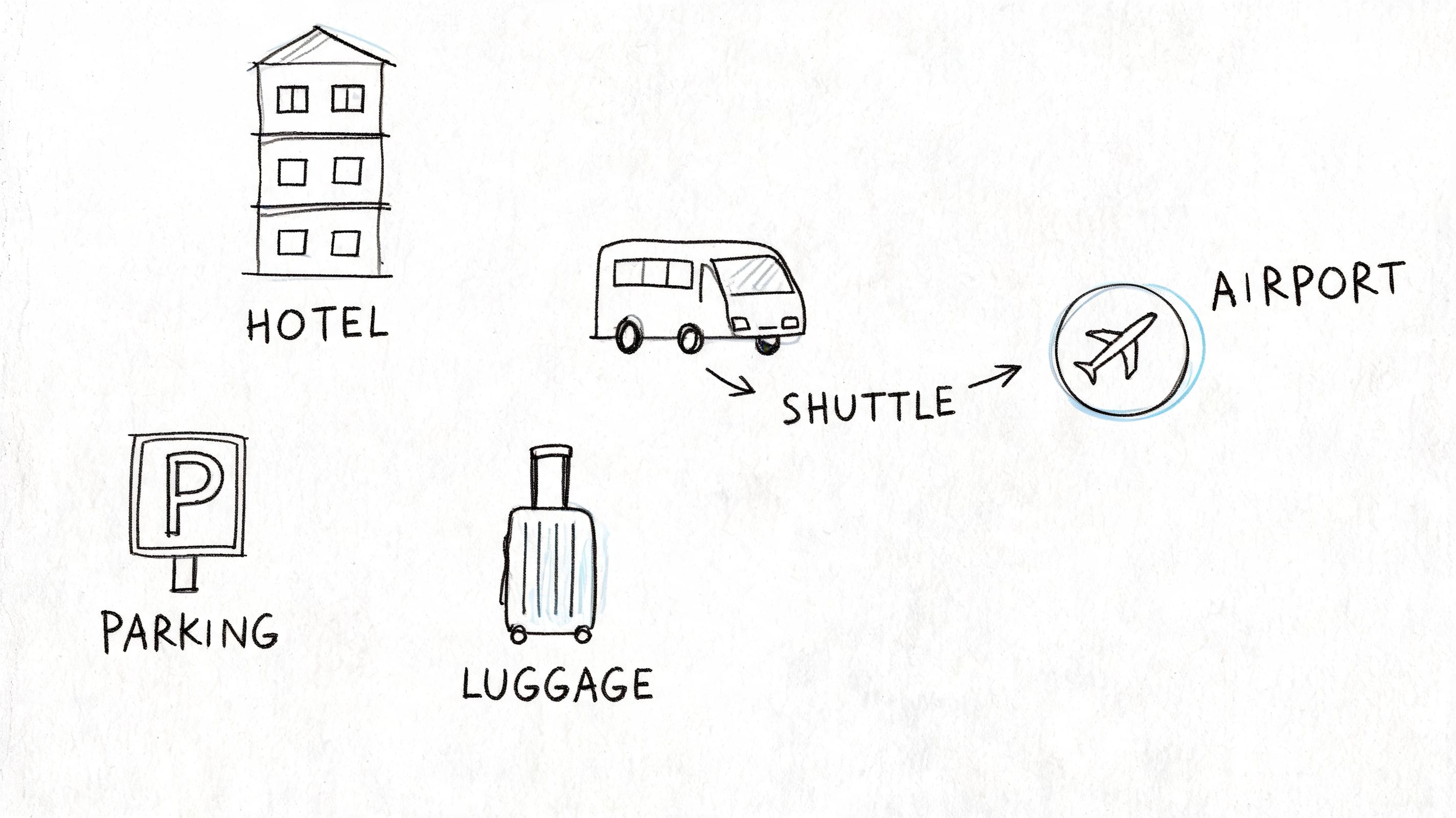
Send details guests actually need
A wedding website or guest email should answer practical questions fast:
- Where to stay: Include room block details and booking deadline if applicable.
- How to arrive: Parking, airport options, and local driving guidance matter for out-of-town guests.
- What happens when: Weekend itinerary, ceremony time, brunch plans, and any off-site gatherings should be easy to scan.
- What to expect: Dress guidance, weather considerations, and accessibility notes reduce uncertainty.
This is especially helpful for couples hosting a destination-style wedding outside Chicago. Guests may not know Muscatine, Davenport, Bettendorf, Moline, or Rock Island well. They don't need a travel essay. They need confidence.
For corporate and fundraising events, communication should also support measurement. As noted earlier, event checklists have evolved into performance frameworks that monitor execution and prepare for disruptions before they happen. The same discipline works for guest communication. One clear message sent at the right time is better than scattered updates through several channels.
A practical venue scenario. If guests can stay on site, know where to park, and understand the flow of the weekend before they arrive, the event begins with far less friction. That affects mood. People show up calmer. They socialize sooner. They stop asking the host for logistics the moment they walk in.
8. Confirm Final Details with Venue & Vendors (1 Month Out)
The final month is not for reinvention. It's for alignment.
This is when small mismatches become visible. The florist has one version of the floor plan. The DJ has another version of the timeline. Catering has dietary notes that never made it to the seating chart. None of these issues are dramatic on their own. Together, they can unravel the feeling of control.
A final walkthrough solves that. Not because it creates new ideas, but because it forces one shared version of the day.
What the final meeting should settle
Bring the people and documents that matter most:
- Floor plan: Ceremony setup, reception layout, dance floor, bar, gift table, signage, and specialty pieces.
- Timeline: Vendor arrivals, setup windows, key moments, room flips, and final send-off.
- Guest count: Final numbers affect seating, staffing, and food.
- Special instructions: Dietary needs, family dynamics, accessibility notes, and décor placement.
This is also the right time to confirm contingency plans. If weather changes. If a vendor is delayed. If a family member needs easier access routing. Strong event planning checklists don't leave those details implied.
For venues hosting weddings, meetings, and cultural celebrations, this meeting should also test inclusion in practical terms. Can guests move through the space easily? Is signage readable? Are restrooms, entrances, and seating arrangements clear for all attendees? Accessibility works best when it's checked operationally, not just mentioned in contract language.
One more trade-off to remember. Couples sometimes want to preserve flexibility deep into the final month. It sounds appealing, but it usually creates more pressure for everyone. The calmer option is to finalize cleanly, then trust the plan.
9. Prepare Day-Of Items (1-2 Weeks Out)
The final weeks should feel quiet. That's easier when physical items are already sorted.
Loose details create last-minute noise. Place cards in one bag, signage in another, candles in a box nobody labeled, gifts with no pickup plan. None of it is hard. All of it becomes hard when it has to be found fast.
Preparation here is tactile. It means touching every item, labeling it, and deciding who receives it.
Pack like someone else has to set it up
Because often, someone else will.
Use a simple handoff system:
- Label by location: Ceremony, cocktail hour, reception, welcome table, guest book, favors.
- Include a visual cue: Printed photos or setup notes help vendors place personal items correctly.
- Separate what stays with you: Rings, vows, heirloom jewelry, and attire shouldn't go into venue delivery boxes.
- Build a small personal kit: Safety pins, fashion tape, stain remover, tissues, pain reliever, chargers, and a few snacks cover most minor surprises.
For large weddings and multi-day events, assign one person to be the keeper of personal items. Not the couple. Not the host. Someone calm and organized who can answer simple questions without pulling focus from the event.
This step is often underrated because it doesn't feel glamorous. But it's one of the reasons a wedding venue or reception venue can feel polished on arrival. The room isn't polished by magic. It's polished because the setup team received complete, clearly labeled materials before guests ever stepped in.
A practical example. A welcome table with escort cards, signage, favors, and guest book materials can either look effortless or improvised. The difference is usually made a week earlier, when somebody packed one complete box instead of six partial ones.
10. The Event & Post-Event Wrap-Up (Day-Of & Week After)
By the time guests arrive, planning should feel quiet.
At The Merrill Hotel, that calm matters. A riverfront ceremony, guests coming in from Chicago, room blocks spread across a full wedding weekend, or a large cultural celebration with multiple outfit changes and ceremonies all create more motion behind the scenes. The day still needs to feel easy. That comes from clear ownership and a short chain of decision-making.
The checklist now serves the people running the event. It keeps timing, contacts, and contingency notes in one place so the couple, hosts, or family are not pulled into small fixes. If the baraat starts late, if transportation from nearby hotels shifts, or if a welcome event runs long the night before, the team adjusts from the plan already in hand.
What the team should protect on the day
A few things shape the guest experience more than people realize:
- Arrival flow: Guests should know where to park, where to enter, and where the first point of activity is.
- Transitions between spaces: At a multi-day wedding, the move from ceremony to cocktail hour to reception should feel intentional, especially when older relatives, children, or out-of-town guests need extra guidance.
- Room readiness: Place settings, signage, AV, specialty décor, and personal items need to be fully set before the first guest sees the room.
- Time protection: A good timeline has flex in it. A good team knows where flex ends and where delay starts affecting dinner, speeches, or transportation.
- Problem routing: Everyone should know who handles venue questions, vendor questions, family questions, and personal-item questions.
This is often where luxury shows up. Not only in finishes or views, but in the absence of confusion.
For destination couples, the morning after matters too. Guests need clean information about brunch, checkout, airport timing, and any final gathering spaces. At a hotel property with weekend capability, wrap-up is part of the guest experience, not just an operations task.
After the event, close out the practical pieces quickly. Collect gifts and personal items. Confirm vendor pickups. Review final balances and gratuities. Make sure attire, décor pieces, and keepsakes are accounted for before everyone disperses.
For weddings, the post-event review can stay simple. Note what ran late, what guests loved, and what you would handle differently. Large cultural weddings benefit from this even more because the event often spans several days, several vendor teams, and several host groups. A brief written recap helps if another family celebration is planned later.
A strong checklist ends with a clean finish. The room empties. The couple exhales. Nothing important gets left behind except the feeling of a day that held together.
10-Step Event Planning Checklist Comparison
| Step / Item | Complexity 🔄 | Resource Requirements ⚡ | Expected Outcomes ⭐📊 | Ideal Use Cases 💡 | Key Advantages ⭐ |
|---|---|---|---|---|---|
| 1. Establish Your Vision & Guest Count (10–12 months) | Medium 🔄, creative decisions, foundational choices | Low–Moderate ⚡, time commitment, stakeholder input | ⭐⭐, clear tone, defined capacity, guided layout decisions 📊 | All weddings; essential for large or cultural ceremonies | Focuses decision-making; aligns venue selection and layout |
| 2. Secure Your Venue & Date (9–11 months) | Medium 🔄, contracts and scheduling | High ⚡, deposits, room-block coordination, travel planning | ⭐⭐⭐, date locked, weekend continuity, enables vendor scheduling 📊 | Destination or peak-season events requiring lodging | Guarantees space/date; enables room blocks and vendor bookings |
| 3. Define Your Budget & Track Spending (8–10 months) | Medium 🔄, ongoing allocation and monitoring | Moderate ⚡, financial tools, vendor quotes, time for tracking | ⭐⭐, realistic allocations, fewer surprises, cost control 📊 | Events with fixed budgets or multi-day expenses | Cost transparency; simplifies vendor/package comparisons |
| 4. Book Priority Vendors (7–9 months) | High 🔄, vendor availability and contract negotiation | High ⚡, vendor fees, consultations, deposit schedules | ⭐⭐⭐, secured creative team, aligned aesthetic and logistics 📊 | Photo/entertainment-focused or culturally specific events | Ensures experienced vendors; smoother day-of execution |
| 5. Plan Your Menu & Tasting (4–6 months) | Medium 🔄, menu development and tastings | Moderate ⚡, tastings, menu testing, F&B planning | ⭐⭐, finalized menu and service style; higher guest satisfaction 📊 | Receptions, brunches, events where food quality is central | Culinary consistency; accommodates dietary needs seamlessly |
| 6. Design Your Event Timeline & Flow (3–4 months) | High 🔄, detailed sequencing and coordination | Moderate ⚡, coordinator time, vendor alignment | ⭐⭐⭐, smooth transitions, buffer times, natural event rhythm 📊 | Multi-space or multi-day events requiring tight coordination | Reduces delays; improves guest experience and pacing |
| 7. Finalize Guest Details & Communications (2–3 months) | Medium 🔄, logistics, seating, and messaging | Low–Moderate ⚡, RSVPs, seating tools, guest communications | ⭐, accurate counts, informed guests, reduced confusion 📊 | Destination weddings or events with many traveling guests | Clear guest logistics; better lodging and transport coordination |
| 8. Confirm Final Details with Venue & Vendors (1 month) | Medium 🔄, walkthroughs and final confirmations | Low–Moderate ⚡, meetings, final payments, plan reviews | ⭐⭐, full alignment across teams; mitigated risks 📊 | All events approaching execution | Peace of mind; last-minute issue resolution |
| 9. Prepare Day-Of Items (1–2 weeks) | Low 🔄, packing and labeling personal items | Low ⚡, supplies, organized drop-off to venue | ⭐, streamlined setup, fewer day-of emergencies 📊 | DIY-heavy events or those with many personal details | Smooth setup; frees hosts to focus on the day |
| 10. The Event & Post-Event Wrap-Up (Day‑Of & week after) | Low–Medium 🔄, execution and reconciliation | Moderate ⚡, staff support, pickup logistics, thank-yous | ⭐⭐⭐, successful execution, closure, returned items 📊 | All events as culmination of planning | Full-service execution; comprehensive post-event support |
Your Event, Held with Grace
Friday evening arrives. Guests from Chicago are checking in, family is gathering in the lobby, and the riverfront already feels like part of the celebration. If the planning has been done in the right order, that energy feels calm. People know where to go. The hosts are present. The weekend begins well.
A strong event planning checklist does more than track tasks. It protects the experience while decisions are still flexible. The order matters. Vision shapes guest count. Guest count affects venue choice. Venue choice influences budget, vendor access, timing, and how the day feels once people are in the room.
That matters even more for destination weddings and multi-event celebrations. A couple traveling from Chicago may want the ease of one property, not a weekend split across hotels, transportation schedules, and separate event sites. A large cultural wedding may need space for a welcome gathering, ceremony, dinner, and next-morning brunch, with enough room for outfit changes, family coordination, and guest flow that never feels cramped. Choosing between an indoor and an outdoor wedding venue is part of that too, especially when weather backup, views, and timing all carry equal weight.
Good planning also means seeing trade-offs early. A lower room rate can create more off-site movement. A beautiful ballroom can still feel strained if entrances bottleneck or service timing is too tight. An ambitious schedule may look efficient on paper and feel rushed once guests are living inside it.
That is why the checklist works beyond weddings. Retreats, fundraisers, anniversaries, and family gatherings all run better when responsibilities are clear, timing is realistic, and backup plans are decided before the event starts.
For hosts in Muscatine and across the Quad Cities, and for guests coming in from Chicago, Naperville, Aurora, and elsewhere in Illinois, the venue often determines how much complexity stays hidden and how much lands on the couple or planner to solve. The Merrill Hotel fits this style of planning in a practical way. Its riverfront setting, on-site lodging, event spaces, and catering support make it possible to hold connected events across a full weekend without scattering guests.
If that structure matches the event you are planning, the next useful step is simple. See how the spaces connect. Walk the guest path. Ask how your weekend would run, from arrival through farewell brunch.
If you're planning a wedding, cultural celebration, retreat, or private event and want a venue that supports a smooth timeline from arrival to farewell brunch, schedule a tour at The Merrill Hotel.