
Organizations often begin in the same place. A date on the calendar. A rough budget. A headcount that keeps changing. Someone says lunch, someone says gift cards, someone says maybe a happy hour. The checklist fills up fast, but the key question usually arrives later. Will any of this feel meaningful?
That's the turn that matters. You stop planning an event and start shaping a memory. You ask what people need from the room. Relief. Recognition. A little pride. A chance to exhale with colleagues they usually only see in meetings or on screens. The most effective employee appreciation event ideas don't chase novelty for its own sake. They create a feeling of being noticed.
That feeling is easier to build in the right setting. A polished, warm venue removes friction. Staff aren't hunting for parking, balancing paper plates, or shouting over bad acoustics. They can settle in. Leadership can speak clearly. Recognition can land. At a riverfront property like The Merrill Hotel in Muscatine, the environment does some quiet work for you. Good light. thoughtful service. enough space to gather without feeling crowded. A simple thank you starts to carry more weight.
1. Riverfront Sunset Appreciation Dinner
Some events work because they don't try too hard. A sunset dinner is one of them.
If your team spends most of the year moving fast, this format gives them a different tempo. People arrive from Davenport, Bettendorf, Moline, Rock Island, or Cedar Rapids still carrying the day with them. Then the light softens, the river settles the room, and conversation gets easier. That shift matters. Appreciation lands better when people aren't rushed.
Why this format works
A dinner event also gives leaders a natural moment to be visible. That isn't a small detail. Gallup found that the most memorable recognition most often comes from an employee's manager at 28%, followed by a high-level leader or CEO at 24%, which is why leader participation matters so much in appreciation events according to Gallup's recognition research.
You don't need a long awards script. You need a few sincere remarks, specific examples, and enough pause for people to absorb them.
A beautiful dinner without recognition feels like hospitality. A beautiful dinner with thoughtful recognition feels like appreciation.
At a riverfront venue, the meal does part of the storytelling. A personalized menu, smooth service, and a setting that feels special tell employees this wasn't thrown together at the last minute. That's often the difference between “nice event” and “I felt valued.”
- Best fit: Annual celebrations, project-completion dinners, end-of-year gatherings, leadership thank-you events.
- Watch for weather: Outdoor dinners need an indoor backup that feels just as polished.
- Keep remarks short: A few genuine acknowledgments will beat a stack of generic speeches every time.
This works especially well for regional companies that want one central, high-touch gathering without sending everyone into a major city.
2. Wellness Retreat with Hotel Lodging
Not every appreciation event should ask people to be louder, faster, or more social. Sometimes the better choice is a retreat that lowers the temperature.
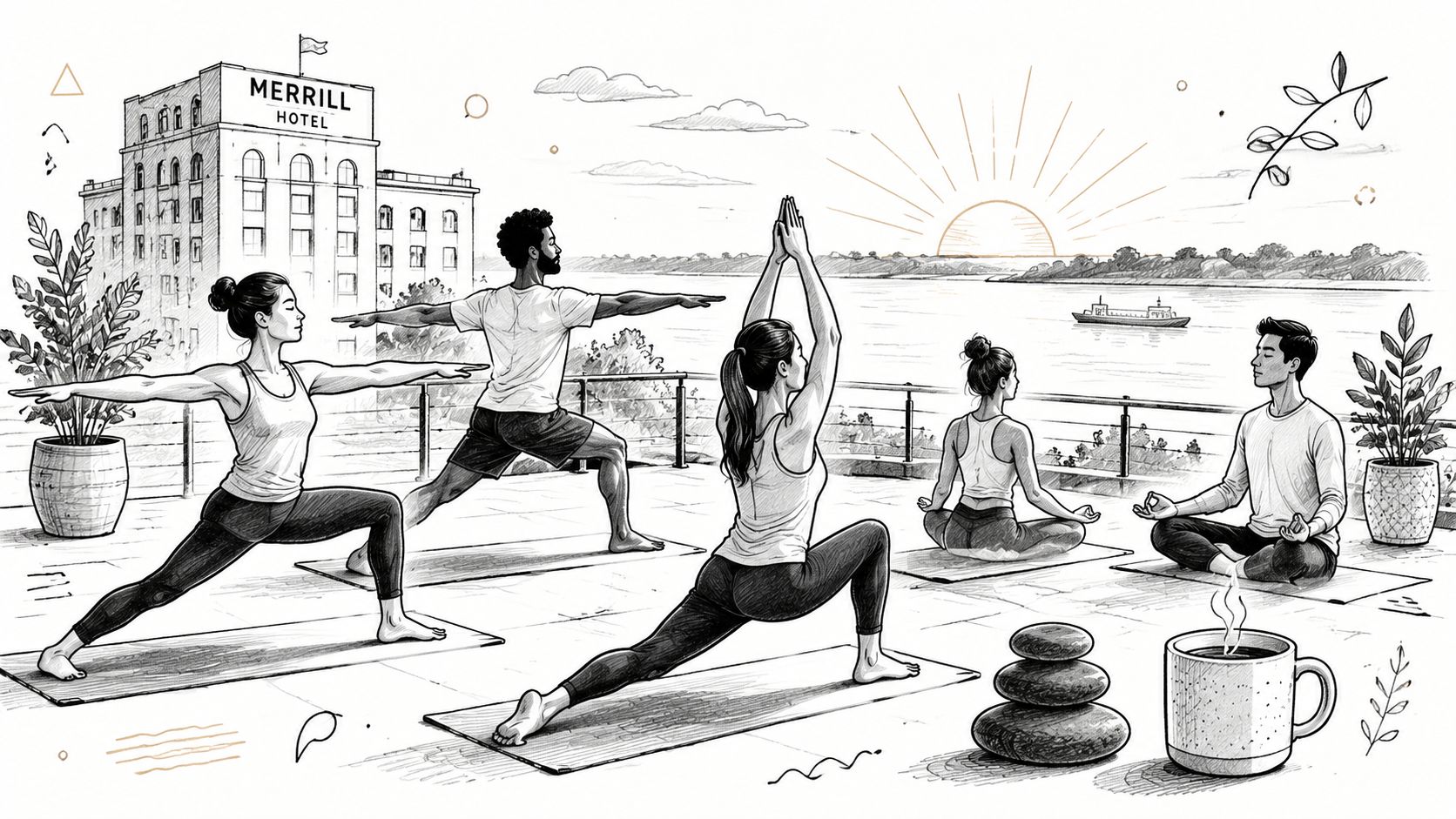
A wellness retreat with overnight lodging works because it gives employees something many work events don't. Time. Not performative fun. Actual breathing room. People can attend a morning yoga session, skip the meditation if that's not their thing, have lunch, take a quiet break in their room, and rejoin for a group dinner without feeling trapped in one long agenda.
Build choice into the day
This matters even more for hybrid teams. Gallup reported in 2024 that about 52% of remote-capable U.S. employees are in a hybrid arrangement, while only 26% are fully on-site, and Gallup also found employee engagement fell to 31% globally in 2024. That's why appreciation formats need options, not one rigid experience, as noted in Motivosity's discussion of hybrid-friendly employee appreciation ideas.
A retreat is flexible by design. You can offer movement, wellness, reflection, and social time in separate tracks. That helps quieter employees, remote staff, caregivers, and people with different energy levels participate without forcing sameness.
A hotel setting makes this easier because the event already has natural zones. Meeting space for sessions. Outdoor terrace for breathing room. Dining areas for shared meals. Guest rooms for privacy. If you're mapping a multi-part team experience, these team building retreat ideas at The Merrill Hotel show how easily a retreat can shift between connection and downtime.
- Strong use case: Healthcare teams, leadership groups, post-busy-season recovery events, manager summits.
- What doesn't work: Overscheduling every hour and calling it wellness.
- Better approach: Offer optional sessions and let employees self-select.
The best retreat doesn't feel like a mandatory corporate camp. It feels generous.
3. Farm-to-Table Appreciation Lunch
Lunch events are often underestimated. That's a mistake.
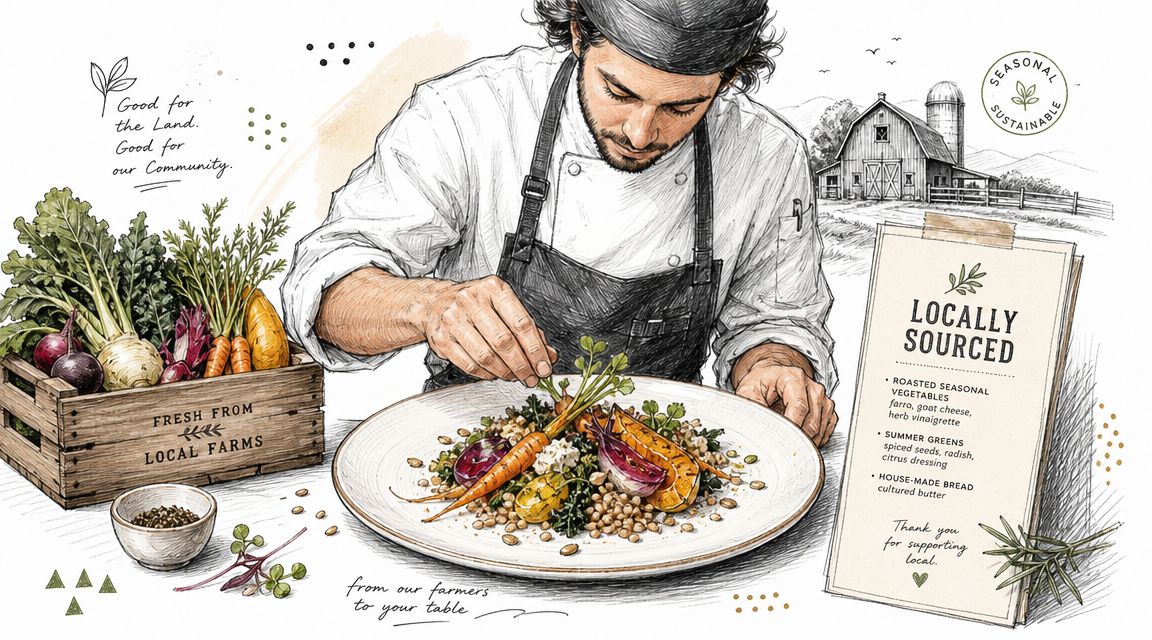
A farm-to-table appreciation lunch gives you a polished experience without the production load of an evening gala. It's easier on schedules. It's easier on energy. And when the food is thoughtful, seasonal, and well presented, it still feels special. For nonprofits in Iowa City, manufacturers near Cedar Rapids, or regional firms that want appreciation without black-tie formality, this is a smart middle ground.
A menu with local ingredients also gives the event texture. People notice when the meal feels connected to place.
Make the meal part of the recognition
Don't just serve lunch. Curate it. Ask the culinary team to explain what's seasonal, what's local, and how dietary preferences will be handled. That small layer of intention tells employees someone thought beyond “order sandwiches.”
This format also works well when your company values community ties, sustainability, or regional identity. A lunch can subtly reflect all three without turning into a lecture.
Practical rule: If the menu is the main feature, make it legible. Printed menu cards, ingredient notes, and simple table styling make the whole event feel considered.
Keep the speaking light. A welcome from leadership. A few toasts. Maybe one story about a team effort that mattered this year. Then let people enjoy the meal.
Later in the event, a short visual element can add warmth without dragging the pace. This clip fits that role well:
This is one of the most practical employee appreciation event ideas for teams that want refinement, not spectacle.
4. Team Building with Outdoor Activities and Riverside Picnic
Some teams don't want another seated meal. They want movement. But movement needs restraint.
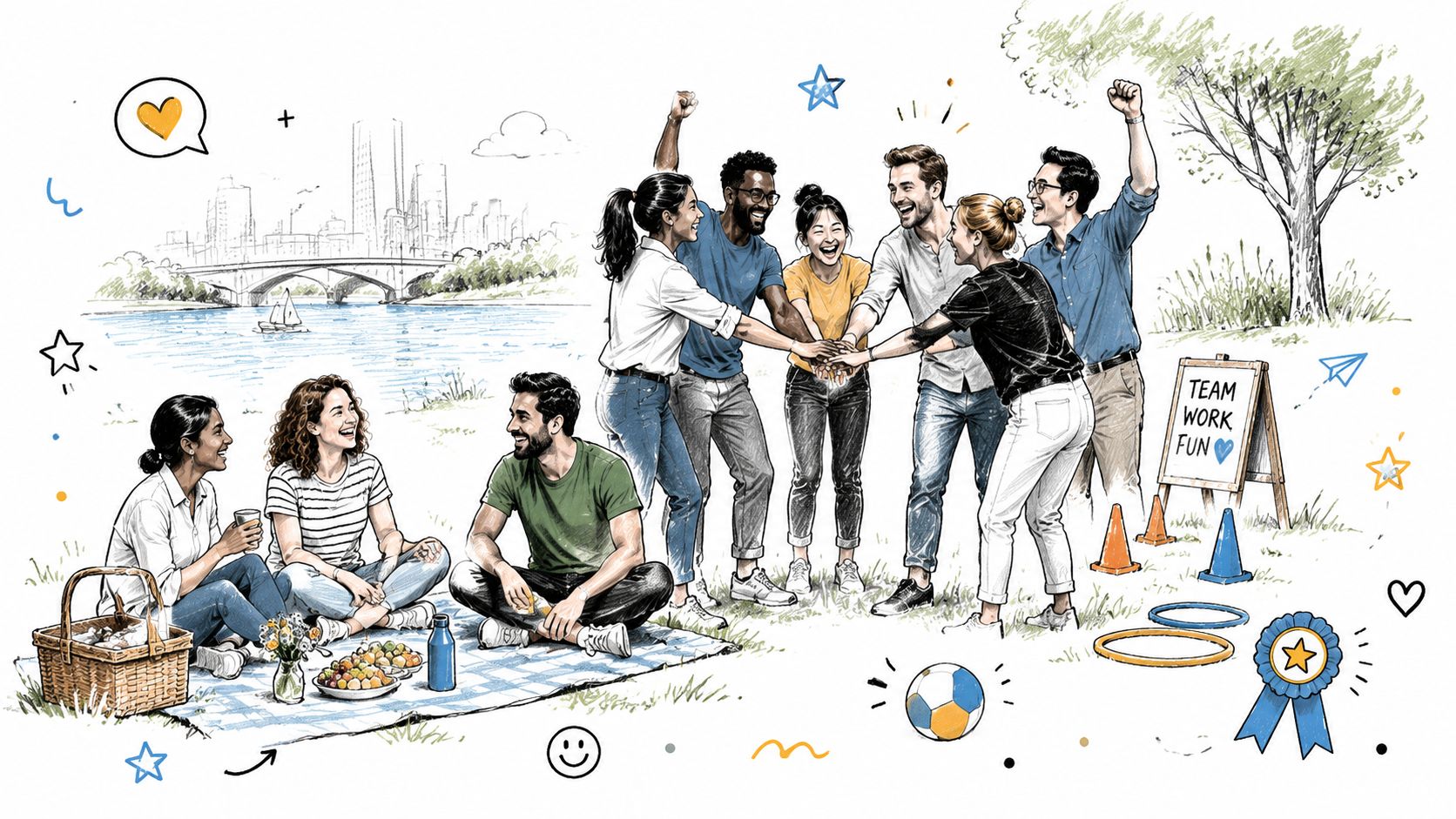
The best outdoor appreciation events aren't built around intense competition or forced bonding. They're built around light structure. A few stations. Clear choices. Plenty of shade, water, and seating. People should be able to join an activity, step away, laugh with coworkers, and return to a picnic table without feeling like they're failing the event.
Keep the pace light
A riverside setting helps because the scenery already gives people something to enjoy. You don't need to manufacture every moment. Lawn games, a scavenger-style activity, collaborative challenges, and a refined picnic spread are usually enough.
What doesn't work is turning appreciation into an endurance test. If one department loves active games and another has employees with mobility concerns, the event can become exclusionary fast. Design around participation, not pressure.
- Smart activity mix: Trivia station, collaborative puzzle, photo challenge, lawn games.
- Easy miss: One giant activity that only extroverts enjoy.
- Better move: Multiple smaller options running at the same time.
This format suits summer appreciation days for Quad Cities employers, casual seasonal celebrations, and mixed-age teams that want an event with more energy than a dinner but less formality than a gala.
The picnic finale matters too. After activity, people need a landing place. Good food and unhurried seating give the day shape.
5. Awards Ceremony with Reception
If you need appreciation to feel official, this is the cleanest format. It gives recognition a stage.
Awards ceremonies work best when companies stop treating them like talent shows and start treating them like culture statements. The room should feel elegant, yes, but the value comes from clarity. What behaviors are being honored. Who gets named. How specific the praise sounds. Employees can tell within minutes whether the awards are meaningful or just decorative.
Recognition needs structure
O.C. Tanner recommends setting aside about $200 to $350 per employee per year for a comprehensive recognition culture, and it notes that recognition works better when it's spread across the year rather than saved for one annual event, according to O.C. Tanner's employee recognition budget guidance. That's useful here because an awards night should sit inside a broader recognition plan, not carry all the weight by itself.
A reception before or after the ceremony helps. It softens the formal edges and lets people congratulate each other naturally.
Good awards events feel warm in the room and disciplined on the schedule.
Keep categories balanced. Include peer-nominated awards alongside leadership-selected ones. Avoid vague superlatives that always seem to go to the same kind of employee. If someone wins, the audience should immediately understand why.
For teams planning a polished recognition night, this corporate event planning checklist from The Merrill Hotel is useful because timing, AV, photography, and room flow matter as much as the awards themselves.
This format fits headquarters celebrations, annual company gatherings, and professional services firms that want appreciation to feel special.
6. Volunteer Appreciation Event with Charitable Donation
Some teams feel most appreciated when the event reflects their values, not just their workload. That's where a volunteer appreciation event stands out.
This format works well for organizations that already serve schools, food banks, river conservation efforts, neighborhood groups, or regional nonprofits. Employees gather for a meal or reception, leadership recognizes the volunteer effort, and the company pairs that recognition with a charitable donation aligned with the cause. The emotional tone is different from a standard party. It feels outward-facing. Grounded. Less about celebration for its own sake and more about shared contribution.
Purpose helps the event carry weight
You don't need to overproduce this. A sincere event with nonprofit partners in the room often carries more meaning than a louder, more expensive program.
Invite one or two community leaders to speak briefly about the work. Keep it human. Keep it local. Employees should leave understanding that their time mattered beyond the office.
- Best fit: Mission-driven companies, healthcare teams, nonprofits, family businesses, regional employers with strong community roots.
- What to avoid: Turning the event into a corporate self-congratulation campaign.
- Better tone: Gratitude first, brand second.
This is especially effective in places like Muscatine and the Quad Cities, where local reputation and community involvement still shape how companies are known. Appreciation feels stronger when employees can see their values reflected back to them.
7. Casual Brunch and Social Gathering
Brunch is the easiest event to underestimate and one of the easiest to get right.
It doesn't ask employees to dress up for a gala or stay out late on a weeknight. It feels social without being heavy. It works for people with family responsibilities, early schedules, or limited appetite for after-hours events. If your team is mixed in age, role, and personality, brunch usually lands well because it asks very little from people while still feeling celebratory.
Why simpler often works better
Choice matters here. Achievers emphasizes that letting employees choose their reward often outperforms generic branded items, and its Employee Appreciation Day guide includes flexible ideas ranging from spa experiences and gratitude walls to pet days, Office Olympics, and food-centered celebrations in Achievers' employee appreciation guide. A brunch event can hold that same spirit if it offers options rather than one rigid script.
That means no long speech program. No awkward mandatory activities. Good food, a comfortable room, time to mingle, and maybe a low-pressure recognition moment.
Brunch is especially strong for quarterly gatherings, volunteer thank-yous, onboarding cohort celebrations, and low-key appreciation events where conversation is the point.
If your team has been running hard, a calm morning event can feel more generous than a flashy night event.
The setting matters. Refined table service, natural light, and a room that feels warm rather than corporate can lift a simple brunch into something memorable. That's often enough.
8. Professional Development Event with Lunch
Appreciation doesn't always have to look like leisure. Sometimes it looks like investment.
A professional development lunch works best when employees value the topic. Compliance updates disguised as appreciation won't fool anyone. But a sharp speaker, useful workshop, or leadership session tied to real employee interests can feel respectful. It says the company isn't only thanking people for what they've done. It's putting something back into their future.
Don't combine learning and lunch badly
This format needs clean pacing. Feed people before the session or after it. Don't ask them to balance a plated meal, a notebook, and a dense presentation at the same time.
PrimePay outlines in-person and virtual appreciation ideas that include customized thank-you notes, catered lunches, virtual games, online recognition walls, and schedule flexibility. That broader mix reflects how appreciation now works across formats rather than one style of event, as discussed in PrimePay's employee appreciation ideas roundup.
That's useful because a development event can also be hybrid-friendly. On-site employees can attend in person, while remote staff join the session live and receive a meal stipend, delivered lunch, or separate recognition component.
- Good topics: Leadership communication, innovation, client service, stress management, industry trends.
- Poor topics: Mandatory policy review framed as a reward.
- Best practice: Ask employees what they want to learn before you book the speaker.
This is one of the strongest employee appreciation event ideas for firms that want the event to feel useful, polished, and aligned with long-term growth.
9. Milestone Anniversary Celebration with Personalization
Service anniversaries can either feel moving or painfully generic. The difference is personalization.
A milestone event works when each honoree feels known, not processed. That means leadership prepares specific remarks. Photo displays show real history. Gifts match the person, not just the logo. Family members may be invited for major milestones if the culture supports it. The room should carry some warmth and reverence because loyalty deserves more than a rushed applause line.
Make the recognition individual
This format is especially strong for family businesses, long-standing employers, and organizations with employees who've shaped the place over decades. It also works during a company anniversary year, when individual milestones can be woven into a larger story about endurance and change.
The common mistake is batching everyone together with identical wording. People hear that instantly. If someone gave years of their life to the company, say something only true about them.
For teams looking at how event design supports milestone recognition across personal and professional celebrations, these milestone birthday party ideas from The Merrill Hotel offer useful inspiration for making an honoree feel central without making the event feel stiff.
A personalized anniversary celebration often becomes one of the most emotionally resonant events a company hosts. It reminds newer employees what commitment looks like. It reminds long-term employees that their history isn't invisible.
10. Department Competition Tournament with Celebration Finale
Competition can energize an appreciation event, but it's easy to get wrong. If the games humiliate people, favor one type of employee, or feel too serious, the mood collapses.
Done well, though, a department tournament creates momentum. People rally around teams. Different personalities find a role. The room gets louder in a good way. Then the event shifts into a finale with dinner, light awards, and a shared sense that everyone was part of something fun.
Design for variety, not dominance
This format works because it can hold different kinds of skill. Trivia for quick thinkers. Creative challenges for problem-solvers. Visual tasks, collaborative rounds, and low-stakes physical games for people who like movement. The point isn't to crown the most competitive department. It's to let people see each other differently.
Recognition can be playful here. Spirit awards. Best teamwork moment. Funniest team name. Most supportive captain. Those categories often get more genuine reaction than the main trophy.
The finale should celebrate the day, not just the winners.
This setup suits insurance firms, manufacturing teams, tech groups, and nonprofits that want a lively event with built-in interaction. It also works well in a flexible venue where separate activity zones can feed naturally into a more elegant closing reception.
A tournament is one of the more dynamic employee appreciation event ideas because it creates a shared story in real time. People remember the surprise win, the ridiculous team chant, the colleague who turned out to be unbeatable at trivia. That memory is part of the appreciation.
Top 10 Employee Appreciation Event Comparison
| Event | Implementation Complexity 🔄 | Resources & Logistics ⚡ | Expected Impact 📊 | Ideal Use Cases ⭐ | Quick Tip 💡 |
|---|---|---|---|---|---|
| Riverfront Sunset Appreciation Dinner | Medium 🔄 (outdoor plated service, indoor backup) | Medium ⚡ (culinary team, servers, terrace booking; cap ~150+) | High 📊 (memorable, strong brand/engagement boost) | Intimate–mid-size corporate appreciation events | Book 2–3 months out; reserve indoor backup |
| Wellness Retreat with Hotel Lodging | High 🔄 (multi-day schedule, lodging logistics) | High ⚡ (rooms, instructors, spa, extended catering) | Very high 📊 (deep wellbeing, team cohesion) | Mid–large teams prioritizing employee wellness | Partner with local wellness pros; offer flexible participation |
| Farm-to-Table Appreciation Lunch | Medium 🔄 (seasonal sourcing, vendor coordination) | Medium ⚡ (local produce, menu cards, guest speakers) | Medium-high 📊 (CSR alignment, educational impact) | Companies valuing sustainability or agricultural ties | Aim 70%+ local sourcing; time event with harvest seasons |
| Team Building with Outdoor Activities & Picnic | Medium-High 🔄 (multiple activity stations, inclusivity planning) | Medium ⚡ (activity equipment, picnic catering, weather plan) | High 📊 (improves teamwork and engagement) | Active or younger workforces and wellness-focused teams | Book May–Sept; ensure accessible activities and shade/water |
| Awards Ceremony with Reception | High 🔄 (program timing, AV, award fairness) | High ⚡ (production, awards, bar service, photographer) | High 📊 (formal recognition, prestige, morale lift) | Established companies with defined recognition programs | Balance awards across teams; hire a photographer |
| Volunteer Appreciation + Charitable Donation | Medium 🔄 (nonprofit coordination, messaging) | Medium ⚡ (partner outreach, announcement materials) | High 📊 (strengthens CSR, employee pride, media goodwill) | Mission-driven or community-focused organizations | Partner with 1–2 vetted nonprofits; track volunteer hours |
| Casual Brunch & Social Gathering | Low 🔄 (simple setup, minimal program) | Low ⚡ (brunch menu, casual seating options) | Medium 📊 (accessible, frequent engagement) | Small–mid teams or casual company cultures | Keep to 1.5–2 hours; minimize speeches to encourage mingling |
| Professional Development Event with Lunch | Medium 🔄 (speaker selection, AV coordination) | Medium ⚡ (speaker fees, meeting tech, catered lunch) | High 📊 (skill-building plus appreciation) | Knowledge-focused industries and growth-minded teams | Survey topics first; keep sessions ~1.5–2 hours |
| Milestone Anniversary Celebration with Personalization | High 🔄 (individual tracking, personalized remarks) | Medium-High ⚡ (gifts, special seating, commemorative items) | Very high 📊 (strong retention and emotional connection) | Established organizations with long-tenured staff | Audit tenure data 3–4 months ahead; prepare personalized remarks |
| Department Competition Tournament + Finale | High 🔄 (scoring, multiple zones, facilitation) | High ⚡ (space for stations, facilitators, production) | High 📊 (energizes culture, builds cross-team camaraderie) | Larger organizations seeking energized engagement | Design inclusive activities; plan a celebratory finale regardless of winners |
From Corporate Events to Cultural Weddings
A venue proves itself in the first hour. Cars pull in at different times. One guest needs help finding the entrance. Another wants to check in before changing for dinner. If the property handles those moments well, the rest of the event feels easier.
That standard matters for employee appreciation events because recognition works best when people can relax into it. It matters just as much for weddings, where the timeline is longer, the emotions run higher, and every delay is more visible.
The overlap is bigger than it looks on paper. A riverfront dinner for employees and a multi-day cultural wedding both depend on clear guest flow, attentive service, flexible room layouts, and food arriving on time. The ultimate test is how the venue handles complexity without making the experience feel stiff. Good teams keep the event moving. Great teams keep it warm.
The Merrill Hotel shows how setting shapes that outcome. The river creates a sense of arrival before anyone takes a seat. Indoor and outdoor options give planners room to adjust for weather, guest count, or tone. On-site lodging changes the rhythm in a practical way. Guests stay close. The schedule holds. The event feels connected instead of split across addresses.
That same structure serves wedding weekends well.
A wedding venue in Muscatine or the Quad Cities needs more than a pretty backdrop. It needs to support transitions that happen fast and matter a lot. Ceremony setup. Family photos. Vendor timing. Quiet space for the couple. A reception that feels polished but still easy to enjoy. The best properties hold that full arc without making the day feel overmanaged.
Large weddings and cultural celebrations raise the bar further. More guests means more movement, more coordination, and less margin for confusion. Traditions shape the layout and timing. Outdoor space helps, but only when the indoor backup is equally strong. Lodging matters more when families travel in for several events and want to stay together.
That is one reason families planning Indian weddings and other cultural celebrations near Chicago often look beyond the city. They may need room for a baraat, strong sightlines for a mandap, and a venue team that can handle a weekend with distinct events and changing energy. Space alone is not enough. The property has to support the pace, the tradition, and the hospitality behind it.
That is also the lesson behind every strong appreciation event in this guide. Employee recognition is culture-building, not a box to check. The setting shapes whether people feel processed or valued. Choose a place that gives the event breathing room, steady service, and a real sense of occasion, and the memory lasts longer than the program itself.