
There is a moment in planning a corporate event when the details can feel louder than the purpose. The goal, whether it is to gather a team, celebrate a milestone, or move forward together, can get lost in the noise of vendor emails and budget spreadsheets.
A corporate event planning checklist isn't about adding more tasks. Its real function is to quiet the noise. It provides a calm, clear path, a way to see what comes next without feeling rushed. It is less about checking off boxes and more about thoughtfully creating the right conditions for people to connect.
From what I have seen, the most successful gatherings are not always the most complicated. They are the ones where the planning was so steady and intentional that it became invisible. This allows the reason for the event to be the only thing attendees notice.
This guide is built around that idea. It moves through the process in phases, from the early months of big-picture decisions to the final moments after the event concludes. We will touch on everything from establishing a budget and securing a venue to coordinating with vendors and planning for the unexpected. It is a framework to help you manage the small steps, so you never lose sight of the larger goal. The aim is to make the entire process feel more grounded, ensuring the final event feels effortless for everyone, including you.
Where Should We Even Begin?
The first and most important step is finding the right space. The venue sets the tone for everything that follows, from attendee engagement to the overall success of your objectives. It is much more than just four walls; it is the foundation of your event.
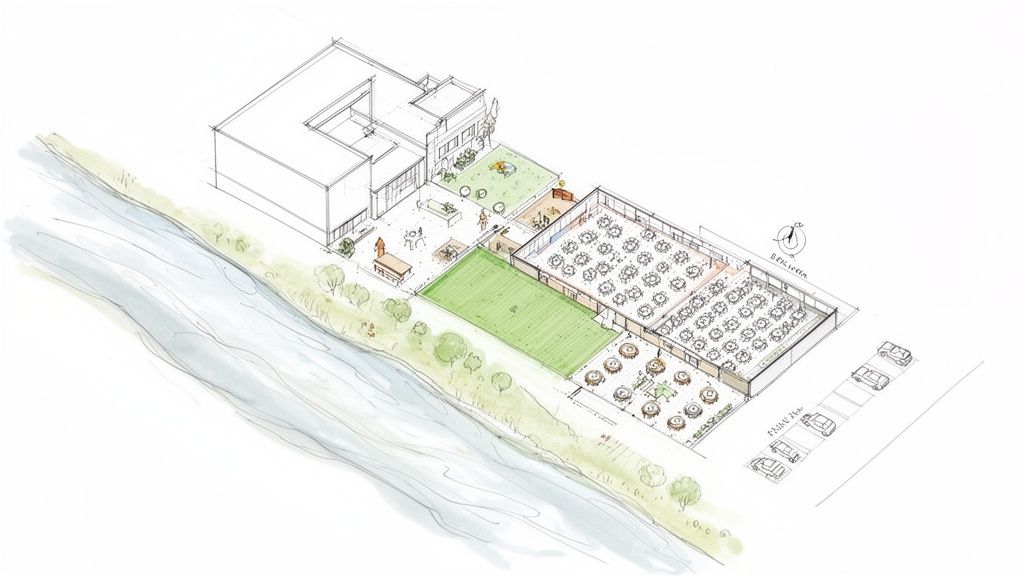
Here, I’ve seen how the view of the Mississippi River can transform a standard quarterly summit into something more memorable. Natural light from our floor-to-ceiling windows often brings a welcome energy to long sessions. The right environment helps people feel focused and valued. For example, a tech company's strategic retreat feels different in a room overlooking the water compared to a windowless conference center. The change of scenery itself becomes part of the experience.
Why does the venue matter so much?
Choosing a venue isn't just about capacity. It is about alignment. A regional sales team from Davenport might need a flexible space that can shift from a large presentation setup to smaller breakout groups. An insurance firm from Iowa City conducting a board meeting requires a more intimate, private setting with robust technology. The space should support the work you plan to do there.
What should I look for during a site visit?
A physical tour is essential. It helps you see things that floor plans cannot show.
- Room Configurations: Ask to see diagrams of different layouts for the spaces you are considering. Visualize your team in each setup.
- Natural Light: Visit at the time of day your event will take place. Notice how the light fills the room and if it enhances the atmosphere.
- Tech Capabilities: Ensure the built-in AV, Wi-Fi, and power sources meet your presentation and attendee needs.
- Weather Contingencies: If you are planning to use an outdoor space, like our riverfront terrace, confirm the backup indoor option and understand the decision-making timeline.
A thoughtful site assessment ensures the venue works for you, not against you. For those new to the process, this checklist for a venue tour can provide a useful framework. The core principles of evaluating a space remain the same.
How Do We Handle Out-of-Town Guests?
For events that bring people in from out of town, planning where they will stay is as important as the event itself. Guest accommodations remove the friction of travel and create a more cohesive experience. When attendees can move from a session to their room without leaving the building, it extends the time for connection and focus.
I have seen how this changes the dynamic for multi-day training or leadership retreats. A medical device company hosting a two-day training can transition from intensive daytime sessions to a relaxed team dinner without anyone worrying about driving to a different hotel. It keeps the group’s energy contained and productive. Having everyone on-site means the conversation can continue organically, long after the formal agenda has ended.
Why does this matter?
Seamless lodging is about more than convenience; it is about respecting attendees' time and energy. When a board member flies in from Des Moines or Chicago for a planning session, providing a comfortable room on-site shows foresight and consideration. It ensures they arrive at the meeting feeling rested and ready, rather than rushed from navigating a new town. The entire experience feels more professional and thoughtfully executed.
How can I make accommodations easier?
Coordinating lodging requires thinking ahead about the guest experience from arrival to departure.
- Secure a Room Block Early: It helps to reserve a block of rooms 6 to 9 months in advance to secure rates and availability.
- Streamline the Arrival Process: Work with the hotel to establish a group check-in procedure. This prevents congestion in the lobby and gives attendees a smooth start.
- Communicate Key Details: Send out an email two weeks before the event with clear information on parking, check-in times, and room assignments.
- Coordinate Schedules: Ensure the timing for amenities like breakfast aligns with your event’s early morning sessions. Ask about flexibility for early check-ins or late checkouts.
A well-organized accommodations plan is a foundational part of any successful multi-day corporate event. It demonstrates a level of care that attendees will notice.
What Should We Consider for Food and Drinks?
The food and beverage experience is often what attendees remember most. Beyond simply providing a meal, your catering choices set the tone for networking, energy levels, and overall satisfaction. It is a critical component because it directly impacts your guests' comfort and focus.
Here, I’ve seen our culinary team craft menus for every type of corporate gathering. A financial services firm hosting a board dinner might request an elegant, plated presentation to reflect the gravity of their discussions. In contrast, a tech company's lunch-and-learn session benefits from a more casual menu that keeps the focus on the content. The food should feel like a natural extension of the event's purpose.
Why does the menu matter so much?
Menu planning is about more than just taste; it is about supporting your event's objectives. A manufacturing company holding an all-hands meeting needs a hearty breakfast to energize their team for a long day. An insurance company's client appreciation reception calls for passed appetizers and wine stations that encourage movement and conversation. The right menu enhances the atmosphere you want to create.
How can I plan the menu effectively?
Coordinating with the culinary team well in advance ensures a smooth and satisfying experience.
- Survey Dietary Needs: Use your registration form to ask attendees about allergies and dietary restrictions. This simple step shows care and prevents last-minute issues.
- Schedule a Tasting: If possible, conduct a menu tasting 8 to 12 weeks before your event. This confirms your selections and allows for any final adjustments.
- Time Service Thoughtfully: Coordinate with your AV team to ensure meal service does not disrupt key presentations. Plan coffee and refreshment stations during breaks to maintain energy levels.
- Encourage Interaction: For receptions, consider using two or three appetizer stations to encourage networking and prevent crowding. Interactive options, like some explored in this guide on food stations, can create memorable moments.
How Do I Manage All the Technology?
In today's corporate world, technology is central to a successful event. Reliable audio/visual infrastructure is what powers presentations, connects remote teams, and ensures your message is delivered clearly. A seamless tech experience keeps the focus on your content, not on troubleshooting.
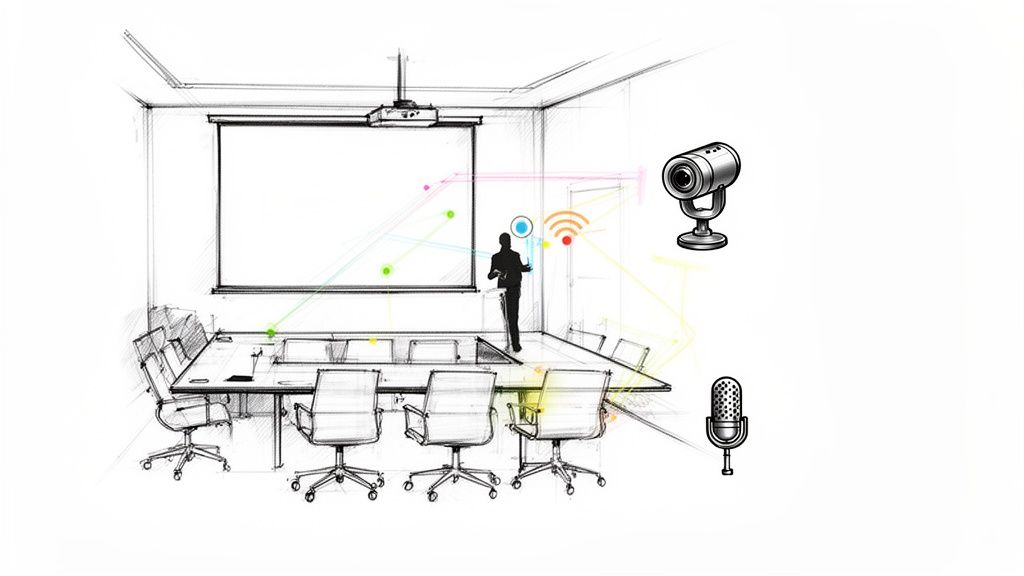
I have seen Davenport logistics companies host quarterly meetings where half the team is in the room and the other half is remote. The right microphone and camera setup makes it feel like everyone is present. Technology, when it works well, bridges the distance between Muscatine and a team member in another state, making the event more inclusive.
Why is this important?
A solid AV plan is about clarity and professionalism. A Cedar Rapids firm live-streaming a training session needs clear audio and stable video to maintain engagement. A local startup presenting to investors requires a polished setup to convey confidence. The technology you use reflects on your organization.
What are the key steps for tech setup?
A full run-through is the best way to prevent day-of surprises.
- Conduct a Full Rehearsal: Schedule a complete AV test at least 48 hours before the event. Use the actual presentation laptops and software you plan to use.
- Test Internet Bandwidth: Confirm the Wi-Fi speed is sufficient, especially if you plan to live-stream. Have a backup hotspot ready.
- Assign a Tech Point Person: Designate one person, either from your team or the venue staff, to manage all AV during the event. This person should know how to solve common issues quickly.
- Plan for Contingencies: Think through what you would do if the primary technology fails. Have printed materials or a flip chart available as a simple backup.
How Should We Approach the Budget?
Conversations about money can feel complicated, but a clear budget is one of the most reassuring tools you can have. It provides a framework for decisions and aligns everyone on what is possible. A well-managed budget isn’t about limiting potential; it is about directing resources thoughtfully toward the event’s goals.
What I've seen is how inclusive pricing models can bring a sense of calm to the planning process. Knowing that major costs like the venue, standard tables, chairs, and linens are bundled together makes financial planning much more predictable. For example, a nonprofit holding its annual fundraiser can allocate its funds with more confidence when there are fewer surprise fees. The goal is to focus on your program, not on a dozen small invoices.
Why is a detailed budget so critical?
A detailed budget prevents cost overruns and ensures stakeholders agree on spending priorities. It allows you to see the financial impact of every choice, from the catering menu to the audiovisual package. For a regional manufacturing firm hosting a two-day retreat, this might mean allocating $100-$150 per person. In contrast, a corporate board meeting might budget over $200 per person to ensure a high-end dinner experience.
What are the practical steps for budgeting?
Building a budget is a foundational step that should happen early in your planning.
- Itemize All Potential Costs: List every expected expense. This includes the venue, catering, AV, accommodations, speaker fees, and materials.
- Identify Fixed vs. Variable Expenses: Separate costs that stay the same (like room rental) from those that change with guest count (like meals).
- Build a Contingency Fund: It helps to set aside 10-15% of your total budget for unexpected needs. It is better to have it and not need it.
- Track Expenses in Real-Time: Use a shared spreadsheet to monitor spending. This keeps everyone accountable and provides a clear view of your financial status.
A carefully managed budget removes uncertainty and allows you to plan with clarity and confidence.
How Do We Keep Attendees Informed?
The success of an event often hinges on the small details leading up to it. Managing how your attendees register and what they hear from you beforehand sets the stage for a smooth, well-organized experience. This process is more than just collecting names; it is your first opportunity to communicate value and instill confidence.
Here, I’ve noticed a direct link between clear pre-event communication and a calm, focused atmosphere on the day of the event. When a regional sales team arrives knowing exactly where to park, what time check-in begins, and what the day’s schedule looks like, they walk in prepared. It removes the small frictions that can distract from the main objectives.
Why does this matter?
A thoughtful registration process provides you with the crucial data needed for planning. It captures everything from final headcounts for catering to specific dietary needs. For instance, when a board member RSVPs for a dinner meeting with a severe allergy, knowing this well in advance allows our culinary team to prepare safely and discreetly. This proactive approach ensures every guest feels considered.
What is the best way to handle registration?
A structured communication plan prevents last-minute confusion and reduces attendee questions.
- Launch Registration Early: Opening registration 8 to 10 weeks before your event allows for early headcount estimates and better planning.
- Send Clear Confirmations: Your initial confirmation email should include the event address, emergency contact information, and key timing details.
- Schedule Reminder Emails: It helps to send reminders at key intervals, such as two weeks, one week, and 48 hours before the event.
- Gather Essential Information: Use your registration form to ask about dietary restrictions and accessibility needs.
- Prepare for a Buffer: It is wise to build a small buffer into your catering counts, around 5-10%, to accommodate last-minute changes.
By managing registration and communication with care, you lay the groundwork for a seamless and professional event.
How Do We Structure the Day?
An event's agenda is its roadmap. It guides attendees from one moment to the next, shaping their energy and focus. A thoughtful agenda balances structured content with essential breaks for networking and rest, ensuring the event’s purpose is met without causing fatigue.
I have observed that the most successful corporate events are the ones where the flow feels natural, not forced. For a two-day leadership retreat, a demanding morning strategy session flows better when followed by a relaxed team dinner. Similarly, for a quarterly sales meeting, interspersing presentations with breakout sessions keeps engagement high. The agenda dictates the rhythm, and a good rhythm makes all the difference.
Why is the agenda so important?
A well-crafted agenda directly impacts attendee experience. An overloaded schedule can lead to burnout, while too much downtime can feel unproductive. The right balance ensures that key messages are absorbed, connections are made, and attendees leave feeling that their time was respected.
How can we build a better agenda?
Building an effective agenda is about more than just listing topics. It requires a strategic approach to timing and human energy.
- Build in Buffers: Always schedule 10-15 minute buffers between sessions. This allows for smooth transitions and informal conversations without disrupting the schedule.
- Schedule for Peak Focus: It helps to place your most critical sessions in the mid-morning when attendee energy is typically at its highest.
- Pace the Content: Avoid scheduling more than 90 minutes of continuous content without a break. Shorter sessions are often more effective.
- Communicate in Advance: Send the final agenda to all attendees at least one week before the event. This allows them to prepare and sets clear expectations.
What About Working With Other Vendors?
A corporate event is rarely a solo endeavor. It is a collaboration between your team and a network of specialized vendors, from entertainment and photographers to transportation and décor specialists. Managing these partnerships is about building a temporary, unified team dedicated to your event’s success.
Here, I have seen how seamless vendor integration elevates an event. When a floral designer already knows the dimensions of our ballroom or a DJ is familiar with the acoustics, everything just flows better. This prior experience removes a layer of uncertainty. An A/V team that has worked in our space before will know exactly how to manage the natural light for a presentation.
Why does this matter?
Effective vendor management ensures consistency and reliability. When all partners understand the venue, the schedule, and each other’s roles, the risk of miscommunication drops significantly. For a company hosting its annual awards gala, this means the caterer, live band, and lighting technician are all working from the same timeline.
How can I make vendor coordination easier?
Clear communication and early planning are key to successful partnerships.
- Request a Preferred Vendor List: Ask your venue for a list of trusted partners. These are vendors who have a proven track record within the space.
- Establish Clear Contracts: Ensure every agreement details specific deliverables, timelines, payment schedules, and contingency plans.
- Create a Shared Master Schedule: About four weeks out, circulate a detailed timeline to all vendors. This document should be the single source of truth.
- Assign a Single Point of Contact: Designate one person on your team to communicate with each vendor. This prevents conflicting instructions.
- Hold a Pre-Event Coordination Meeting: A final walkthrough or call with all key vendors a week or two before the event helps align everyone.
Coordinating vendors is a core task, and a strong partnership with your venue can make the process significantly smoother.
How Can We Make Everyone Feel Welcome?
A successful event is one where every guest feels seen, valued, and able to participate fully. This step is about moving beyond basic compliance and thoughtfully designing an inclusive experience for everyone, regardless of their physical abilities or dietary needs.
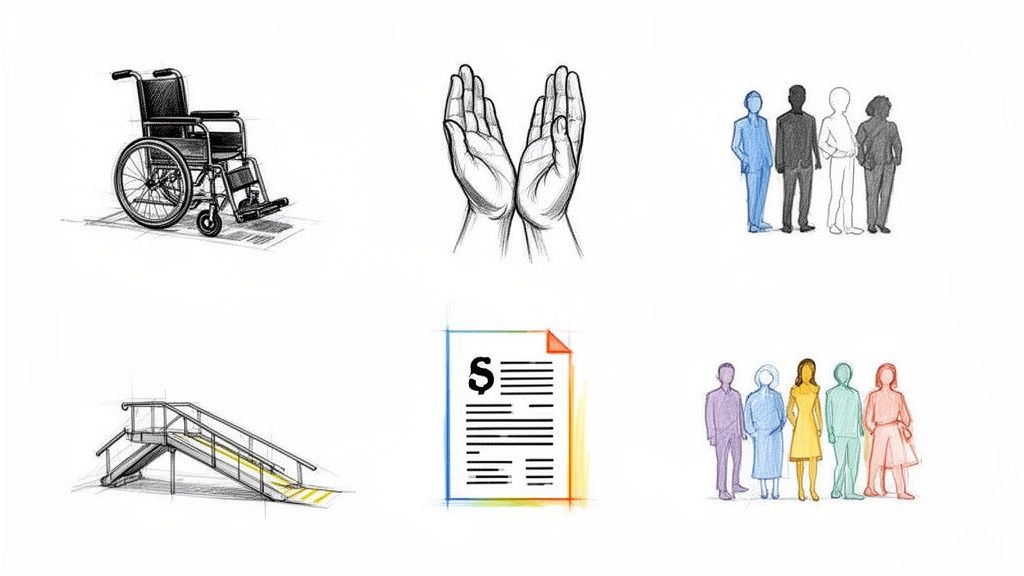
It is often the small considerations that make a significant impact. For instance, ensuring a speaker's presentation is accessible with high-contrast text and large fonts helps not only those with visual impairments but everyone in the back of the room. It is a simple adjustment that fosters a more welcoming environment.
Why is this important?
Inclusive design is both an ethical responsibility and a practical one. When you anticipate needs, you prevent barriers that can diminish a person’s experience. A regional manufacturing firm providing an ASL interpreter for a training session ensures a deaf employee can contribute. Similarly, a quiet room for a corporate retreat allows neurodiverse attendees a space to recharge. It signals that your organization values every individual’s contribution.
What are some practical steps for inclusion?
Thoughtful planning begins long before the event day. It requires proactive communication and a detailed assessment of your event.
- Gather Needs in Advance: Include questions about dietary, physical, sensory, or other accessibility needs directly in your registration form.
- Audit the Physical Space: Confirm the venue has accessible parking, restrooms, elevators, and clear, barrier-free routes between key areas.
- Prepare Inclusive Materials: Offer all documents in both large-print and digital-readable formats. Use clear, legible fonts on all signage and presentations.
- Plan the Program Thoughtfully: Build extra time into transitions to accommodate attendees who may move at a different pace. Offer multiple ways to participate in Q&A sessions.
How Do We Stay on Track and Follow Up?
An event does not begin when guests arrive or end when they leave. A successful corporate event is a complete project. Creating a detailed timeline ensures every detail is accounted for, and just as importantly, allows you to learn from the experience for next time.
I often see planning teams gain momentum once they have a clear timeline. It transforms a large goal into a series of manageable steps. For instance, knowing that the catering menu for a sales kickoff needs to be finalized three months out prevents last-minute stress. It brings a sense of calm and control to what can feel like a complex process.
Why does a timeline matter so much?
A structured timeline is the backbone of your plan. It prevents critical tasks from slipping through the cracks. A post-event follow-up process turns a one-time event into a learning opportunity. A survey after a team-building retreat, for example, might reveal that attendees valued the informal networking time on our riverfront terrace more than a structured session. That insight is invaluable.
What does a good timeline look like?
A comprehensive plan covers the entire event lifecycle.
- Work Backward: Start with your event date and map out key milestones in reverse. For example: Final headcount due 1 week prior, vendor contracts confirmed 1 month prior, initial speaker outreach 4 months prior.
- Assign Ownership: Make it clear who is responsible for each task, from securing AV equipment to sending post-event thank you notes.
- Schedule Regular Check-ins: Hold brief, weekly meetings starting about eight weeks before the event to track progress and address roadblocks.
- Gather Feedback Quickly: Send a short feedback survey to attendees within 24-48 hours. The experience will be fresh in their minds.
- Conduct a Debrief: Schedule a meeting with your internal planning team and key vendors within two weeks to review what worked and what did not.
A thoughtful project management approach ensures a smooth event and helps make the next one even better. The insights gained can even inform the structure of future gatherings, like these team-building retreat ideas.
Leaving Them Calmer Than When They Started
It is easy to get lost in the details of a plan. The timelines, the vendors, the budgets—they can feel like the entire purpose of the work. But what I have seen, watching hundreds of events unfold, is that the plan is not the point. The point is the feeling it creates for the people in the room.
A truly effective plan does more than just organize tasks. It builds a foundation of calm. When attendees arrive and find clear signage, a seamless check-in, and a comfortable space, they do not notice the dozens of decisions that made it possible. Instead, they feel considered. They feel they are in good hands, which allows them to relax and connect with the reason they gathered.
This process is an act of foresight. It is about anticipating a need before it arises and creating an environment of such quiet efficiency that it becomes invisible. The most successful events I have witnessed are not the ones with the most elaborate schedules. They are the ones where attendees feel a sense of ease from the moment they walk through the door.
The Lasting Impression of a Well-Planned Event
Remember that your guests will not recall the specific linen color or the exact timing of the coffee break. What stays with them is the overall experience. Did the day flow naturally? Was the technology reliable? Did they feel their time was valued? The meticulous work you do beforehand is what answers these questions with a confident yes.
Here in Muscatine, we often notice how the pace of the river seems to influence the pace of the town. There is an intentional rhythm to it. A well-planned event should have a similar quality. It should not feel rushed. When the logistics are handled with quiet confidence, that feeling extends to everyone present. The ultimate goal is to create a space where people can do their best work and leave with a renewed sense of purpose, feeling calmer and more connected than when they arrived.
If you are looking for a partner to help bring that sense of calm to your next corporate event, we are here. The team at The Merrill Hotel has the experience and the spaces to handle every detail, allowing you to focus on your guests. You can learn more about our meeting and event capabilities at The Merrill Hotel.