
You book the venue. You choose the flowers. You save a dozen ideas that look beautiful on your phone. Then the essential question surfaces the moment you picture the day in motion. How do you want it to feel when guests arrive, settle in, and stay with you through the night?
That question shapes the right theme far more than color palette or decor style. A good theme gives the day rhythm. It sets the tone for the welcome, the ceremony, dinner, and the point when the reception either opens up or falls flat. I have seen beautiful design lose its effect when it fights the space or ignores how guests move through a wedding weekend.
At The Merrill Hotel, the strongest themes do more than photograph well. They change the experience of the day. A riverfront backdrop can make a minimalist wedding feel calm and expansive. A grand ballroom can hold formal glamour without feeling stiff. For destination weddings, large guest counts, and cultural celebrations coming from Chicago, Naperville, or the Quad Cities, that flexibility matters because the venue has to support more than one mood at once.
It also changes where your budget works hardest. In a setting with strong architecture, water views, and well-planned guest flow, you often need fewer decorative pieces and more attention to the parts guests remember. Arrival. Gathering. Toasts. Dancing. Time together between events. For couples hosting family across a full weekend, the right suite setup for getting ready and gathering on site can shape the pace of the entire celebration.
The themes below are here to help you choose a wedding that feels coherent in real life, not just appealing in a mood board. Each one works a little differently. The best fit depends on your guest list, your traditions, and the kind of energy you want the day to carry from first arrival to last dance.
1. Vibrant & Grand Cultural Celebrations
For many families, the wedding doesn’t begin at the ceremony. It begins when relatives arrive, when garments are unpacked, when music starts in the hallway, when two families settle into the same space and the weekend takes on momentum.
That’s why this theme works best in a cultural wedding venue or large wedding venue that can hold more than one mood at a time. You may need a lively welcome event, a ceremonial setup, a formal dinner, and a reception venue that feels polished enough for the evening without erasing tradition. The room has to flex.
What makes it feel right
Vibrant cultural celebrations often succeed because they carry emotional contrast well. A ceremony can feel sacred and detailed. Cocktail hour can loosen. Dinner can become a family gathering. The dance floor can turn electric. In a hotel setting, that rhythm is easier to protect because guests aren’t constantly being moved off-site.
For Chicago and Naperville families planning outside the city, this also solves a practical problem. Loved ones can stay together, dress on site, and treat the weekend like a destination wedding without the strain of managing several disconnected locations. A spacious suite setup helps, especially for families handling formalwear changes, hair and makeup rotation, and ceremonial preparation. The executive suite options at The Merrill Hotel fit that part of the experience well.
Practical rule: If your celebration includes ritual, wardrobe changes, elders, children, and a large guest count, convenience is not a luxury. It’s part of good hosting.
A few choices tend to work especially well here:
- Layered color story: Rich jewel tones, metallic accents, and candlelight bring energy without making the room feel chaotic.
- Distinct event identities: Give each gathering its own look so the weekend feels intentional, not repetitive.
- Generous circulation space: Leave room for movement, greeting lines, family photos, and ceremonial focal points.
What doesn’t work is forcing a cultural wedding into a rigid template. A beautiful room matters. But for this theme, flow matters more.
2. The Destination Weekend Experience
Friday evening starts with a river view, a drink in hand, and guests who have finally stopped checking traffic and directions. By Saturday morning, cousins from Chicago know college friends from Des Moines. By brunch on Sunday, the wedding feels less like a single event and more like shared time that had room to unfold.
That is the appeal of a destination weekend. The theme changes the experience before it changes the decor.
At The Merrill Hotel, the strongest version of this idea comes from keeping the weekend connected. Guests can arrive, settle in, gather for dinner, celebrate, and linger the next morning without losing energy to constant transfers between venues. For couples hosting people from across the Midwest, that rhythm matters. It gives out-of-town guests a clear sense of place and gives the wedding day more emotional weight because the relationships are already warming up before the ceremony begins.
A destination format also solves practical hosting problems that couples often underestimate. Arrival times vary. Older relatives need a gentler pace. Some guests want a full social weekend. Others need quiet pockets between events. A hotel-based plan handles those different needs better than a wedding spread across multiple locations. This guide to planning a destination wedding weekend covers the early decisions that shape that guest experience.
What this theme changes emotionally
The ceremony benefits from anticipation instead of rush. Cocktail hour feels more relaxed because guests are already oriented. The farewell brunch has real value because people have stories to finish, photos to trade, and one more chance to say goodbye well.
For destination, large-scale, or blended-family weddings, that extra time can change the tone of the whole weekend. Guests who may have met only online get a natural introduction. Families from different cities begin to feel like one group. Cultural expectations can also fit more comfortably when the couple has space to host more than one gathering with intention.
A weekend format works best when each event earns its place.
- Welcome event: Keep it warm and low-pressure. Good lighting, easy food, and enough time for guests to arrive in waves.
- Wedding day: Protect the pacing. This is still the center of gravity.
- Farewell brunch or coffee gathering: End on something gentle. It helps the weekend close with gratitude instead of a rushed checkout.
Good hosting gives guests structure, then leaves room inside that structure to breathe.
The trade-off is real. More time together can create more pressure if every gathering feels mandatory or heavily designed. Couples often get better results by giving each event a distinct purpose and a lighter hand with decor. A welcome party does not need to compete with the reception. A brunch does not need a production schedule.
What tends to work here is clarity. One visual thread across the weekend. One or two hosted moments each day. Enough unscheduled time for people to rest, explore the riverfront, or continue conversations on their own. That balance is what makes a destination weekend feel generous rather than crowded.
3. Classic Glamour & Black Tie
The doors open. Glass catches candlelight. Satin and polished silver hold the room steady before anyone takes a seat. Black tie works best when the atmosphere feels settled from the first minute.
At The Merrill Hotel, this theme suits couples who want the day to feel ceremonial in the best sense of the word. It gives guests clear expectations. Dress with intention. Arrive on time. Pay attention. That clarity changes the energy in the room, which matters for Chicago couples hosting a destination wedding, Quad Cities families bringing together a large guest list, and anyone planning a celebration where formality needs to feel welcoming rather than distant.
Classic glamour depends on restraint. Strong architecture, a clean floor plan, flattering light, and a clear focal point do more than a long list of decorative moments. Black accents, cream florals, pressed linens, candlelight, and polished place settings usually carry the look. The room feels complete because every choice supports the same mood.
For larger weddings, black tie also solves practical problems. Formality gives the day structure. Guests move through cocktail hour, dinner, and toasts with less confusion. Seating reads as intentional. Service tends to feel smoother because the design supports order instead of competing with it.
Brides magazine reports that many couples are shifting toward more timeless wedding design over trend-driven styling, which helps explain why black tie continues to hold its ground in current planning conversations (https://www.brides.com/wedding-decor-trends-2024-8421203). The appeal is simple. It photographs well, ages well, and lets the people carry the emotion.
A few choices usually make the difference:
- Keep the palette edited: Black, ivory, champagne, soft gold, and clear glass rarely fight the room.
- Use symmetry with purpose: Balanced tables, centered floral placement, and a strong aisle line help formal spaces feel calm.
- Let attire and service lead the mood: If guests are dressed for black tie, the tableware, lighting, and pacing should meet that standard.
- Choose one strong decorative note: Crystal chandeliers, lacquered bars, or custom-made satin linens can be enough.
What goes wrong is rarely the idea itself. It is usually temperature. Some couples strip the room back so far that formal becomes stern. Others add too many shiny details and lose the quiet confidence that makes this theme work.
The best version feels gracious. Soft music during dinner. Candlelight that flatters faces. Enough fabric and floral texture to keep the room from feeling hard. In practice, classic glamour is less about luxury on display and more about giving the wedding day a sense of occasion that guests can feel.
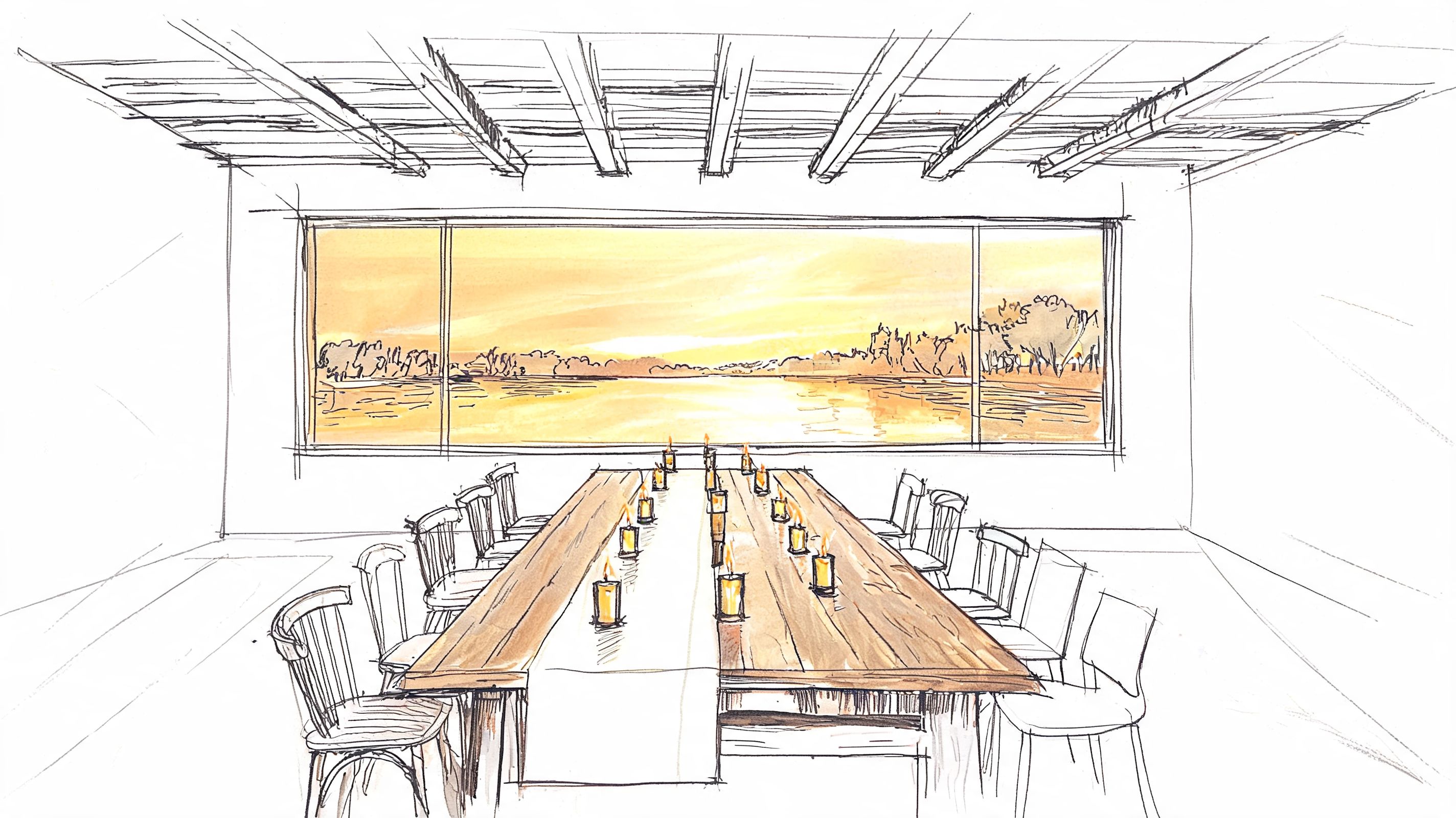
4. Modern Rustic Riverfront
Guests arrive for cocktail hour and look past the tables first. They look to the water, the late light, the movement outside the windows. That is why modern rustic works so well here. The setting already carries the feeling.
At The Merrill Hotel, this theme is less about rustic decor and more about restraint. The river gives you texture. Stone, wood, glass, and changing light do the rest. Couples do not need to recreate a barn or force a country story into a polished hotel. They need a design plan that feels grounded, warm, and clear.
That balance matters for destination guests from Chicago and for local families from Muscatine and the Quad Cities. A good modern rustic wedding feels easy to enter. It reads as Midwestern without turning literal. It also handles scale well, which matters for larger weddings where every design choice has to hold up across a ceremony, cocktail hour, dinner, and dancing.
The visual direction is straightforward. Natural wood tones. Clean linens. Soft greens. Understated florals. Comfortable chairs that still look well-designed. Lighting with some glow, not too much amber. One or two textural notes are usually enough.
A few choices shape the experience:
- Keep the palette quiet: Moss, cream, clay, sand, and muted brown usually stay calm in photos and let the view breathe.
- Let the river do part of the work: Place the ceremony or cocktail hour where guests can feel the setting, not just glimpse it.
- Use texture sparingly: Stoneware, woven chargers, linen napkins, or wood accents can add warmth without making the room feel themed.
- Edit the signage: Too many sayings and decorative objects pull attention away from the people and the place.
The strongest version feels collected and regional. Guests remember the atmosphere first.
This theme also solves a practical problem. Some couples want a wedding that feels relaxed enough for a full weekend gathering, but still polished enough for a hotel setting and a formal dinner. Modern rustic answers that well. It can welcome a mixed guest list, support cultural touches without visual conflict, and still feel cohesive from welcome drinks through the last dance.
What usually weakens it is overstatement. Faux crates, wagon wheels, heavy farmhouse details, and distressed props compete with the architecture. The room starts to feel like two weddings at once. At a riverfront hotel, modern rustic should feel settled, not staged.
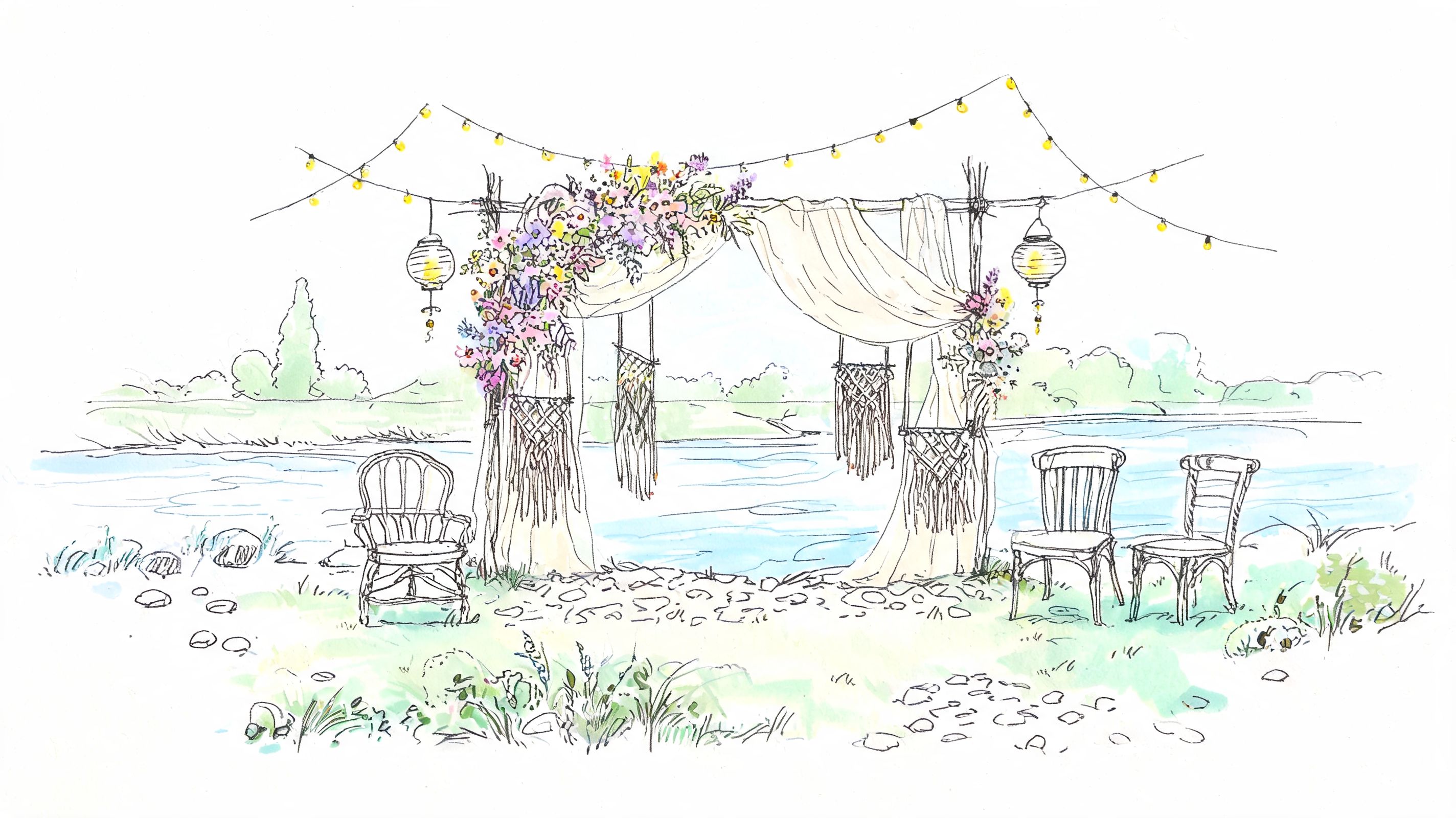
5. Bohemian Waterfront Romance
Late afternoon light hits the water. Guests settle in with a drink, the breeze lifts the edge of a linen runner, and the room already feels softer before the ceremony begins. That is where bohemian waterfront romance works best at The Merrill Hotel. It changes the pace of the day.
The strongest version of this theme feels warm, relaxed, and carefully edited. Couples from Chicago or the Quad Cities often want that release, especially if the wedding weekend includes travel, rehearsal events, family traditions, and a large guest list with different expectations around formality. Bohemian styling can lower the temperature of the day in a good way. People exhale. They linger. Conversations start faster.
The version that still feels refined
This theme improves a wedding when the expressive choices also support comfort and flow. Lounge groupings give older relatives and out-of-town guests a place to settle during cocktail hour. Softer ceremony music changes the emotional tone before vows even begin. Mixed bridesmaid attire, textured linens, clay or sand tones, and loose florals can make a formal hotel feel more personal without fighting the architecture.
That balance matters more than couples expect.
A waterfront bohemian wedding can absorb personal details beautifully. A tea ceremony, a family blessing, a longer cocktail hour, or a late-night acoustic set can all fit here because the style does not depend on rigid symmetry. It gives destination weddings room to breathe. It also helps larger celebrations feel less stiff, which is often the harder problem to solve.
A few choices usually keep it on course:
- Keep the palette grounded: Warm neutrals, faded terracotta, sage, muted rose, or dusty blue hold together well against river views.
- Use layers with restraint: One good textile, one lounge moment, and one organic floral gesture usually does more than filling every corner.
- Plan for movement: Flowing dresses, uneven hems, candles, and outdoor hair styling all respond to wind and weather. Build that into the timeline.
- Protect guest comfort: If part of the celebration is outside, think through shade, heel-friendly surfaces, wraps, and a weather backup that still feels intentional.
What weakens this theme is excess. Too many rugs, too many dried arrangements, too many vintage props, and the room loses shape. The day can start to feel visually busy, which usually shows up in the timeline too. Guests stop knowing where to look. The best bohemian weddings still have structure. They just hide it well.
6. Modern Minimalist Elegance
The ceremony ends. Guests look up. The room feels settled before anyone reaches for a phone.
That is the strength of modern minimalist elegance at The Merrill Hotel. It shapes attention. Instead of asking the space to become something else, this theme uses what is already strong here. Clean lines. River light. Breathing room between tables. A view that carries part of the visual work.
Minimalism also changes the pace of the day. Large weddings often feel busy by default, especially for couples hosting guests from Chicago, the Quad Cities, or both sides of the family across a full weekend. A quieter design gives people relief. It lets the vows, the meal, and the conversations land without visual noise competing for attention.
Why it feels refined
Luxury often reads as restraint. Guests notice the weight of the linen, the shape of the glassware, the margin around a menu card, the way a ceremony backdrop frames the windows instead of covering them. One strong floral gesture can do more than a room full of small arrangements when the placement is right.
This style suits couples who want a polished wedding without the heaviness of black tie formality. It also works well for multicultural celebrations that include several meaningful moments across the day. If the design language is calm and disciplined, outfit changes, family rituals, and transitions between ceremony, cocktail hour, and reception feel more coherent.
A few choices usually make the difference:
- Keep the palette tight: Ivory, soft taupe, black, stone, or muted green tend to hold the room together.
- Let typography do part of the design work: Menus, place cards, escort displays, and signage can add personality without adding clutter.
- Use florals as punctuation: One ceremony installation, one bar arrangement, or one well-scaled head table piece is often enough.
- Protect negative space: Wider table spacing, clean entry points, and disciplined styling help the room feel calm from every angle.
Clean design depends on clean operations. Minimalism exposes late resets, visible storage, extra cords, and crowded layout decisions within seconds.
The common mistake is stripping out too much. Guests still need warmth. Candlelight helps. Textured fabric helps. So does a meal with presence, music with softness, and a timeline that never feels abrupt. The goal is clarity, not coldness.
Done well, this theme feels personal because nothing distracts from the people in the room.
7. Elegant Industrial Chic
This theme appeals to couples who love an urban edge but don’t want the compromises that often come with warehouse spaces. They want style, but they also want climate control, lodging, polished service, and a reception venue that doesn’t require rebuilding from scratch.
Elegant industrial chic brings contrast into the room. Metal against linen. darker tones against candlelight. Structured florals against raw textures. In a refined hotel setting, you can borrow that loft-like tension without giving up comfort.
How to make it feel intentional
Start with a restrained foundation. Black, charcoal, ivory, warm wood, glass, and brushed metallic finishes tend to work well. Then add softness where guests will physically feel it. Upholstered lounge pieces. draped textiles. candlelight. a generous menu. If you skip the softening layer, the room can feel hard.
This style also resonates with couples from larger Illinois markets who want something more design-forward than a traditional banquet room but still need a large capacity wedding venue that can handle a real guest list and a smooth timeline. The appeal isn’t just visual. It’s operational.
One useful planning note comes from a gap in a lot of theme advice. Regional couples often need ideas that adapt well to real venues, not fantasy backdrops. A lot of inspiration content ignores logistics in non-urban settings, even though indoor and outdoor flexibility is a clear preference in secondary markets, as noted in this discussion of unique wedding theme planning challenges. Industrial chic benefits from that flexibility because it can move indoors gracefully without losing its identity.
What works best
- Statement lighting: Warm bulbs and candlelight are essential.
- Architectural cake and stationery design: Let paper goods echo the geometry.
- A strong band or DJ setup: This theme wants energy after dinner.
What doesn’t work is leaning too literal. Faux pipes, excessive Edison bulbs, and overworked “factory” styling usually feel dated. Keep it cleaner than that.
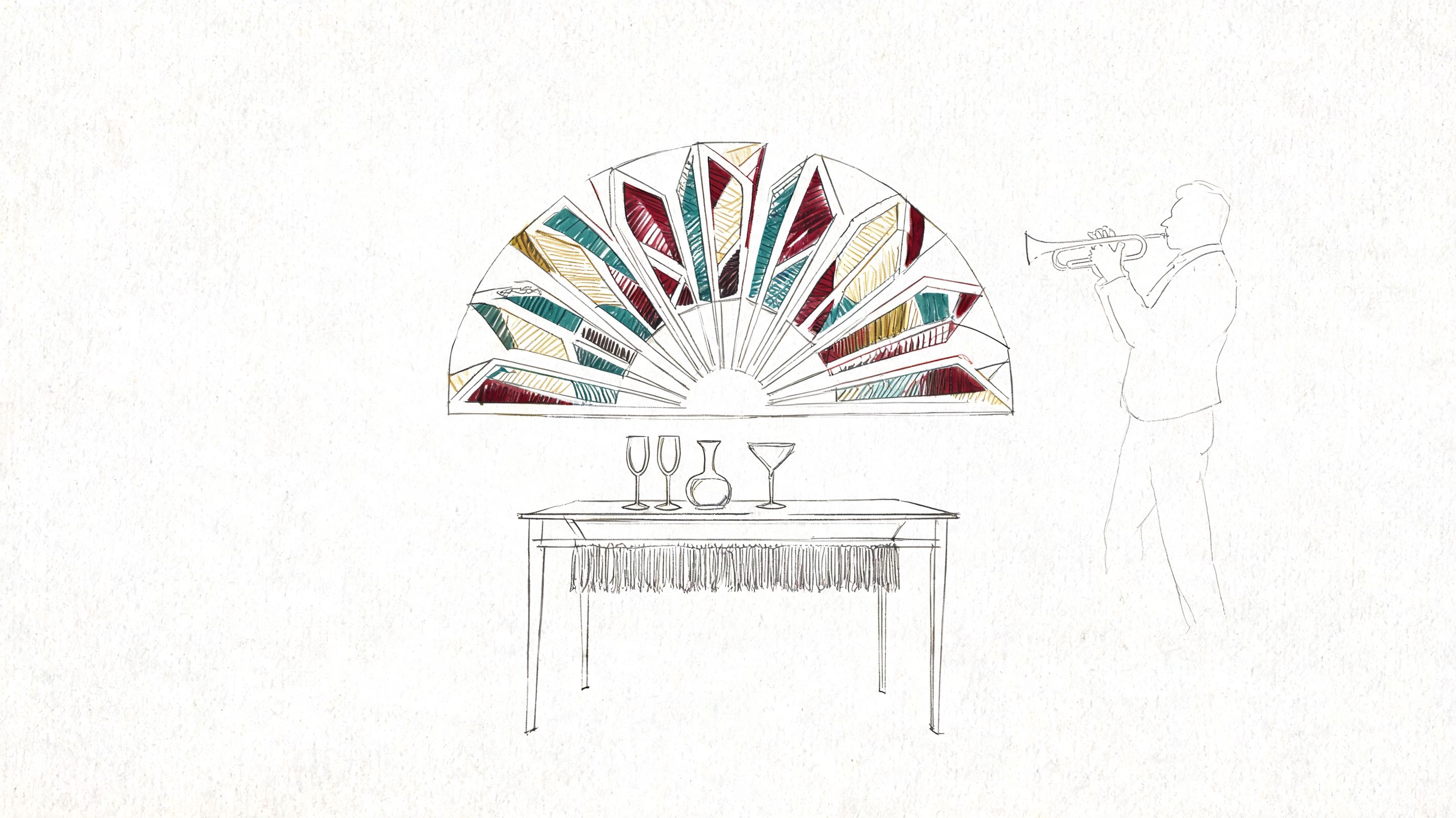
8. Vintage Art Deco Glamour
The doors open, the band hits the first note, and the room feels charged before dinner is even served. That is the appeal of Art Deco glamour. It changes the pace of the day.
At The Merrill Hotel, this theme works best for couples who want the celebration to feel polished early, then more social and spirited as the night unfolds. That matters for destination guests coming in from Chicago, the Quad Cities, and beyond. They are not just arriving for a ceremony. They are arriving for a full experience, and Art Deco gives that experience a strong point of view from the first cocktail to the last dance.
Art Deco has more energy than classic black tie and more structure than bohemian styling. The mood is confident. Guests notice the symmetry, the shine, the sharper silhouettes, and the sense that the evening is building toward something.
The details that carry it
Geometric patterns, mirrored accents, velvet, brass tones, smoked glass, and structured florals all belong here. So does fashion with presence. A sculptural gown. A dinner jacket with texture. A reception look change that signals the night is shifting.
This theme suits couples who want a dramatic entrance and a reception with real momentum. It also translates well for larger weddings because the styling reads clearly across a full room. Small details can disappear at scale. Strong shapes do not.
The trade-off is restraint. Art Deco needs editing. Too many metallic finishes, novelty props, or literal Gatsby references can make the room feel themed instead of refined.
Where to focus your budget
Spend where guests feel the mood change.
- A bar with presence: This style benefits from a focal-point bar that draws people in and keeps cocktail hour lively.
- Layered lighting: Use pin spots, candlelight, and warm glow to create depth and make evening photos feel richer.
- Music pacing: Dinner should feel suave. After dinner should feel looser and more magnetic.
- Statement paper goods or menu design: Crisp lines and bold typography carry the theme without adding clutter.
Art Deco does not require excess. It requires confidence, contrast, and timing.
That is why it works so well for weddings that need to balance style with flow. A large guest count still feels intentional. A destination crowd has a clear social center. Cultural celebrations can incorporate richer color, dance, and fashion without losing the elegance of the overall design. When the choices are disciplined, the whole day feels cinematic but still grounded in hospitality.
9. Sustainable & Scenic Celebration
A sustainable wedding shouldn’t feel sparse or dutiful. It should feel considered.
This theme works especially well in a scenic wedding venue because the setting reduces how much you need to bring in. That changes the tone of planning. Instead of asking, “How do we fill the space?” couples start asking, “What adds meaning here?” The answers are often simpler. Local menus. reusable decor. fewer but better floral choices. digital guest communication. favors people will use or consume.
A thoughtful wedding can still feel abundant
Sustainability works best when it’s integrated subtly into the guest experience. No one needs a lecture. They need a beautiful room, good food, and a celebration that feels generous without excess.
That mindset matches current planning behavior in a few ways. The Knot 2026 Real Weddings Study, as summarized in the Grand View Research market overview, notes that 53% select green and 39% white as top colors. Those palettes naturally support nature-led styling and riverfront settings. They also encourage restraint.
A scenic property helps because it allows couples to lean on what’s already beautiful.
- Choose in-season menu direction when possible
- Repurpose ceremony flowers into reception areas
- Use potted plants, candles, or rented vessels instead of one-use decor
- Keep signage limited and well designed
The trade-off to accept
A sustainable theme asks you to release a few old assumptions. You may not have layers of decorative volume. You may skip disposable welcome bag filler. You may favor reusable elements over custom pieces made for one day.
That doesn’t make the wedding feel smaller. It often makes it feel clearer. Guests remember the atmosphere, the meal, the conversation, and the setting. In most cases, that’s what mattered anyway.
10. Outdoor Adventure & Scenic Celebration
The day starts with a quiet kind of energy. Guests step outside, take in the river, and exhale. The setting does part of the work for you.
This theme suits couples who feel grounded in motion and fresh air. They want a wedding that breathes. Less staged. More lived-in. At The Merrill Hotel, that can translate into an outdoor ceremony, a cocktail hour with a view, and portraits timed for the last clean light over the water. For couples coming in from Chicago or the Quad Cities, that shift matters. A full wedding weekend feels less like a schedule and more like time away.
The design works best when it supports the experience instead of competing with it. Natural textures, restrained florals, practical attire choices, and details that travel well all hold up better than anything too literal. Mountain motifs and faux camp styling can tip into costume fast. A better approach is to use materials and color to set the tone, then let the scenery carry the mood. If you want direction that fits that balance, these outdoor wedding decorating ideas are a strong place to start.
This theme also handles larger guest counts better than couples sometimes expect. Open-air moments give people room to spread out, talk, and settle into the day at their own pace. That helps if you are hosting a wide circle of family and friends, or blending different guest groups who do not all know each other yet. The wedding feels active without asking guests to perform enthusiasm.
What to plan with care
- Weather backup: The indoor version should preserve the same mood, with views, light, and a layout that still feels open.
- Footwear and accessibility: Stable walking surfaces, clear routes, and comfortable seating matter more here than in a ballroom-first event.
- Timing: Scenic weddings depend on ceremony hour, sunset, and temperature swings. A beautiful plan can feel rushed if the light is wrong.
- Guest communication: Out-of-town guests need clear guidance on layers, shoes, transit, and how the day will move between spaces.
I have seen outdoor-inspired weddings work best when the couple accepts one trade-off early. Nature adds beauty, but it asks for flexibility. Wind changes candles. Heat changes pacing. A backup plan is not a compromise. It is part of good hosting.
Done well, this theme feels expansive and calm. Guests remember the air, the view, and how relaxed they felt in the middle of a well-run day. That is the main draw. Not adventure as a prop, but scenery that changes the emotional flow of the wedding.
Top 10 Cool Wedding Themes Comparison
| Theme | 🔄 Implementation complexity | ⚡ Resource requirements | 📊 Expected outcomes | 💡 Ideal use cases | ⭐ Key advantages |
|---|---|---|---|---|---|
| Vibrant & Grand Cultural Celebrations | High, multi-day coordination, cultural rituals | High, large staff, specialized caterers, decorators | Immersive, ceremonial multi-day experience | Large Indian/South Asian weddings; 150–350+ guests | Cultural authenticity, grand scale, unique riverfront features |
| The Destination Weekend Experience | Medium‑High, weekend scheduling and guest logistics | High, on-site lodging, varied F&B, coordination team | Cohesive, all-inclusive guest retreat | Guests traveling from afar; 75–200 guests | Consolidated logistics, enhanced guest engagement |
| Classic Glamour & Black Tie | Medium, formal service standards, staging | High, premium florals, rentals, live band, plated catering | Timeless, elegant, highly polished affair | Formal evening weddings; 100–300 guests | Sophisticated, timeless aesthetic and photo-ready moments |
| Modern Rustic Riverfront | Medium, outdoor logistics, natural styling | Medium, local vendors, seasonal sourcing, rentals | Warm, refined riverfront celebration | Midwest couples seeking organic-modern balance; 75–200 guests | Authentic, adaptable to budget with local sourcing |
| Bohemian Waterfront Romance | Low–Medium, informal layout, eclectic details | Variable, vintage rentals, boutique vendors | Intimate, artistic, relaxed atmosphere | Small–medium creative weddings; 50–150 guests | Flexible budget, highly personalized design |
| Modern Minimalist Elegance | High, precision design and execution | High, top-tier vendors, premium single elements | Calm, architectural, gallery‑like event | Design-focused couples; under 150 guests | Strong visual restraint, architecture-forward presentation |
| Elegant Industrial Chic | Medium, lighting and contrast management | Medium‑High, specialty lighting, modern rentals | Edgy, sophisticated urban vibe | Urban-leaning couples; 100–200 guests | Contemporary edge with luxe hotel convenience |
| Vintage Art Deco Glamour | Medium, cohesive period styling and entertainment | Medium, live band, themed props, graphic design | High-energy, photogenic, nostalgic party | Evening celebrations and New Year’s-style events | Distinctive visual identity and lively atmosphere |
| Sustainable & Scenic Celebration | Low–Medium, vendor vetting and waste planning | Low–Medium, local sourcing, reusable materials | Meaningful, low-waste, nature-forward event | Environmentally conscious couples; any size | Lower consumption, cost-effective, mission-driven choices |
| Outdoor Adventure & Scenic Celebration | Low–Medium, activity coordination, outdoor permits | Variable, experiential elements, casual rentals | Interactive, casual, experience-first celebration | Adventurous couples; flexible guest sizes | Experience-focused, budget-flexible, highly engaging |
Your Theme, Your Story, Your Venue
A wedding theme is rarely just a style choice. It’s a decision about atmosphere, pacing, and memory. It affects what your guests notice when they arrive, how formal dinner feels, where conversations happen, and whether the end of the night feels abrupt or beautifully earned.
That’s why the best cool wedding themes begin with self-awareness, not aesthetics alone. A couple planning a large wedding venue celebration for extended family has different needs than a couple planning an intimate riverfront weekend with a smaller guest list. A family searching for an Indian wedding venue near Chicago may need space for multiple events, outside vendor flexibility, room transitions, and a setting that can hold tradition without feeling generic. A couple looking for an all-inclusive wedding venue may care most about ease, guest lodging, and having ceremony, reception, and brunch feel connected.
The theme should support those needs. It shouldn’t compete with them.
Good planning usually comes down to a few honest questions. Do you want the day to feel grand or grounded? Formal or expressive? Structured or free-flowing? Are you trying to host a party, a retreat, a cultural gathering, a design-forward dinner, or some version of all four? Once those answers are clear, the visual decisions become easier. You stop chasing inspiration and start building a real event.
The venue matters because it either expands those possibilities or narrows them. A flexible wedding venue can hold a black tie ballroom reception one weekend and a modern cultural celebration the next. It can serve couples from Muscatine, Davenport, Bettendorf, Moline, and Rock Island just as well as families traveling in from Chicago, Naperville, Aurora, and the wider Illinois market. It can work as an indoor wedding venue when weather changes, an outdoor wedding venue when the light is right, a reception venue with warmth and polish, and an event venue near me that still feels special enough to draw guests from several states away.
That kind of flexibility is what makes a theme feel effortless. You’re not forcing a space to imitate something it isn’t. You’re choosing a setting with enough character to be beautiful on its own and enough range to reflect your story.
At The Merrill Hotel, that’s the key advantage. The riverfront setting gives couples scenery without sacrificing convenience. The indoor and outdoor spaces create options. On-site lodging makes destination-style weekends easier. The atmosphere feels refined but not distant. That balance matters for luxury celebrations, cultural weddings, large guest counts, and quiet gatherings alike.
The most memorable weddings usually share one quality. They feel coherent. Not overdesigned. Not underplanned. Just coherent. The room, the timeline, the food, the music, the guest experience, and the theme all move in the same direction.
When that happens, a wedding doesn’t just look beautiful. It feels right.
If you’re comparing a wedding venue in Muscatine, the Quad Cities, or a destination-style option outside Chicago, The Merrill Hotel offers the kind of flexible, scenic setting that lets your theme become a full experience. From large cultural celebrations to elegant black tie receptions and weekend wedding stays, the spaces are designed to feel polished, welcoming, and easy to make your own.