
This is often one of the last questions asked, usually after all the big decisions feel settled. A quiet moment arrives, and a couple realizes there is a gap between the ceremony and the dinner. It’s the time when your guests first begin to truly relax, find familiar faces, and settle into the evening ahead. The food served during this hour isn’t just about filling a space in the timeline. It’s a way of welcoming everyone.
I have watched hundreds of these moments unfold in our spaces overlooking the river. What I have seen is that the most successful cocktail hour food ideas have less to do with trends and more to do with creating a sense of ease. The goal is to keep the conversation flowing, not interrupt it. The food should feel both thoughtful and effortless, allowing guests to mingle easily with a drink in one hand and a small bite in the other.
This guide is built from those observations. It moves beyond simple lists and instead focuses on how different choices serve different feelings. We will look at everything from classic passed hors d'oeuvres to interactive stations, along with practical thoughts on dietary needs and presentation. The aim is to help you find an approach that feels right for you and your guests, making this part of the day feel as considered and welcoming as the rest.
What if we want something guests can gather around?
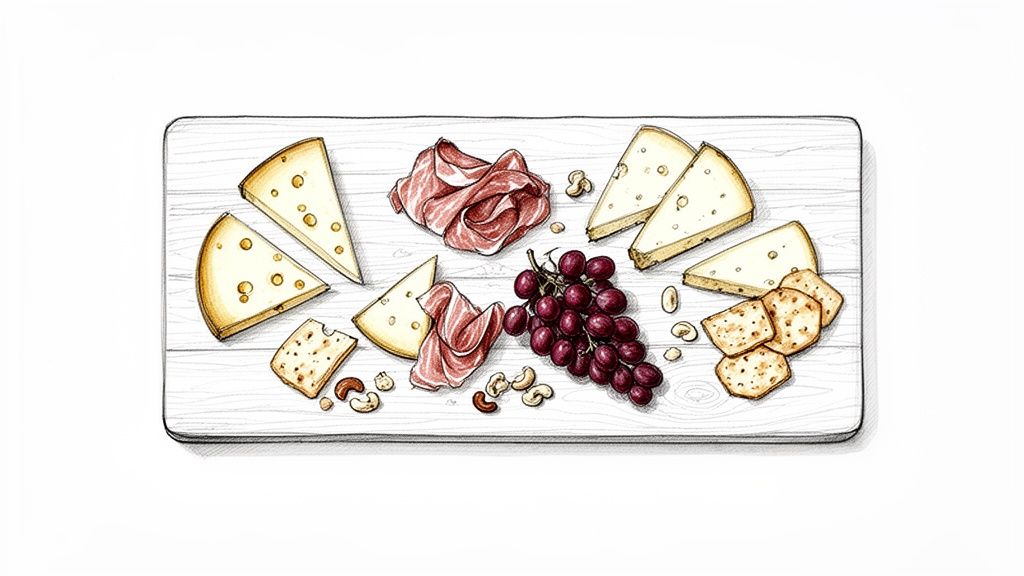
There is something grounding about a spread of cheese and charcuterie. It works so well because it feels both special and familiar, encouraging guests to slow down, gather, and talk while they help themselves. It’s an effortless way to signal that the celebration has truly begun.
A well-composed board is more than just food; it’s a landscape of colors and textures. It invites interaction and becomes a natural focal point for conversation, which is what a cocktail hour is meant to foster.
Why this idea often works
Charcuterie and cheese boards are one of the most versatile choices. They are visually appealing and cater to a wide range of tastes without requiring complex service. The self-service nature allows everyone to graze at their own pace.
It can also be a way to bring a local element to your display. Featuring a classic Maytag Blue Cheese from Newton or other artisanal cheeses from nearby Iowa creameries adds a lovely touch that connects your event to the region.
A few things to consider
- Presentation Matters: Arrange items with varying heights and contrasting colors. Use small bowls for olives, jams, and nuts to create dimension.
- Temperature is Key: Cheese has the most flavor at room temperature. It helps to let it sit for about 30 minutes before guests arrive.
- Encourage Grazing: Provide plenty of cheese knives, small plates, and napkins. This makes it easier for guests to serve themselves without feeling hesitant.
These displays are a wonderful example of how food stations can enhance a wedding reception by creating an interactive atmosphere.
Do people still like classic, warm appetizers?
There is a comforting warmth to passed appetizers like bacon-wrapped dates or savory pigs in a blanket. These classic choices work because they are satisfying and easy to eat while holding a drink. They create a sense of refined nostalgia, reminding guests of familiar celebrations while still feeling elevated for the occasion.
These small, warm bites are almost universally appealing and signal a transition from the formality of a ceremony to the relaxed atmosphere of a reception. They are approachable and beloved, making everyone feel welcome.
Why this idea often works
Bacon-wrapped bites and their variations are true crowd-pleasers. Their savory, rich flavors pair beautifully with a wide range of cocktails, beers, and wines. I’ve often seen these served at events overlooking the Mississippi River, where guests appreciate something warm and substantial, especially on a cooler evening.
These classics can be adapted to fit the feel of your day. You can prepare traditional bacon-wrapped dates or scallops, or offer modern interpretations like mini pigs in a blanket with an everything-bagel spice crust. It’s a simple way to provide comfort food with a sophisticated touch.
A few things to consider
- Offer Variety: Consider a few different fillings. Popular choices include dates for sweetness, shrimp or scallops for a classic taste, or water chestnuts for a pleasant crunch.
- Plan Accordingly: It helps to plan for three to four pieces per guest during a standard cocktail hour.
- Keep Them Warm: These bites are best served hot. A good team ensures a steady flow from the kitchen so every bite is fresh.
- Easy Serving: Provide plenty of cocktail napkins and small receptacles for used toothpicks to make it easy for guests to enjoy them without fuss.
How can we serve something more substantial?
Gourmet sliders bring a sense of satisfying comfort to a cocktail hour. They offer the heartiness of a small meal but in a form that is easy to manage while mingling. It’s a familiar food elevated, which makes guests feel both cared for and at ease.
These are more than just small burgers. By using high-quality ingredients and thoughtful combinations, a simple slider can become a memorable part of the guest experience, bridging the gap between light hors d'oeuvres and the main dinner to come.
Why this idea often works
Sliders and mini sandwiches are crowd-pleasing because they are substantial and universally loved. They work especially well for events with a longer cocktail hour, ensuring guests feel satisfied without being overly full before dinner. Their handheld nature encourages movement and conversation.
This is also a place where you can feature incredible Iowa-raised beef for brisket or classic burger sliders. Sourcing locally gives the food a real sense of place and supports the producers in our community. It’s a small detail that guests often notice.
A few things to consider
- Offer Variety: Provide two or three different flavor profiles to suit diverse tastes. A classic beef, a pulled pork, and a roasted turkey or grilled chicken option works well.
- Quality Buns: The right bread makes a significant difference. Locally baked brioche or ciabatta mini rolls hold up well and add a touch of refinement.
- Prevent Sogginess: To keep everything fresh, sliders should be assembled close to serving time, with sauces applied just before they go out.
- Plan Accordingly: For a standard cocktail hour, planning for about three to four sliders per guest is a good measure.
What feels a little more elegant?
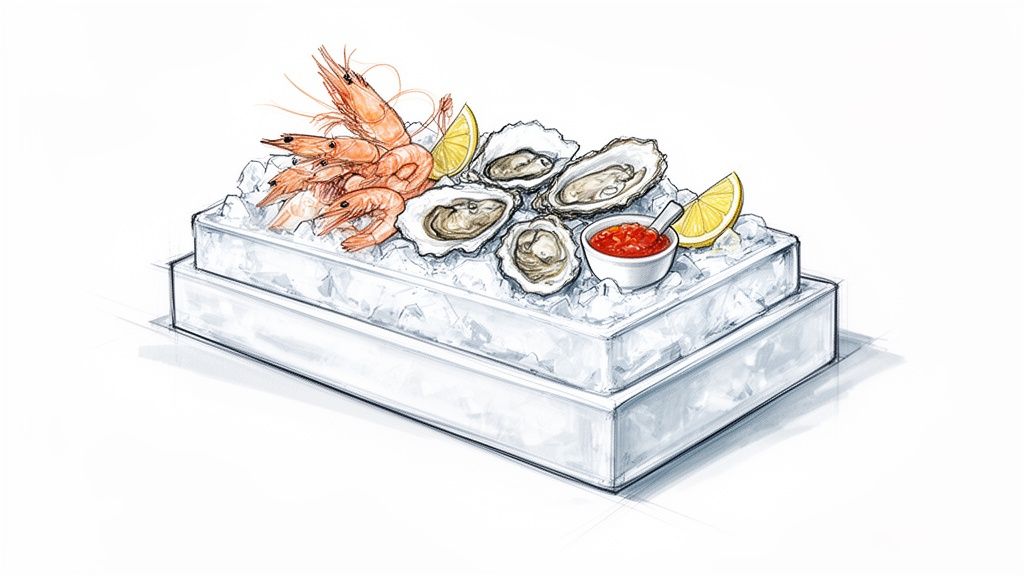
There is a certain grace to a chilled seafood display. It signals a level of care and sophistication that elevates the start of a celebration. For a wedding here on the banks of the Mississippi, an arrangement of shrimp cocktail or oysters on ice feels particularly fitting, connecting the atmosphere to the riverfront setting just outside.
This kind of offering feels both celebratory and refreshing. It provides a light, crisp counterpoint to other options and encourages guests to linger and enjoy the view. It’s a classic choice that feels special every time.
Why this idea often works
A seafood display is a statement piece that immediately communicates a sense of refinement. It works wonderfully for more formal weddings. The fresh, clean flavors are a welcome start to an evening, especially during warmer months.
I have seen how a well-presented oyster bar or shrimp display becomes a natural gathering spot. Guests appreciate the quality, and the interactive nature of selecting their own items makes the experience memorable. It’s a taste of coastal tradition brought right here to the river.
A few things to consider
- Freshness is Everything: Sourcing from trusted vendors is key. This is not an area to compromise.
- Keep It Chilled: The display must be kept on food-grade ice that is refreshed regularly. This ensures both safety and the best possible taste.
- Presentation and Flow: A tiered display not only looks stunning but also makes it easier for guests to access. Proper serving utensils should be readily available.
- Guidance for Guests: It can be helpful to have a staff member nearby to assist guests, answer questions, and maintain the station’s appearance.
Is there a good option for warmer weather?
A bruschetta and crostini bar brings an interactive, garden-fresh feeling to a cocktail hour. It’s an inviting display of toasted bread slices with an array of vibrant toppings, allowing guests to build their own bites. This approach feels both relaxed and thoughtfully curated.
It works because it showcases the beauty of simple, high-quality ingredients. For guests, it’s a light, refreshing option that’s easy to handle. It encourages movement as people gather to see the different combinations available.
Why this idea often works
A bruschetta and crostini bar adapts beautifully with the seasons. It’s used often for spring and summer weddings when fresh produce is abundant, but it can be just as lovely for a fall event with roasted root vegetable toppings. Its self-service nature allows for a continuous flow.
This concept aligns well with Iowa’s agricultural landscape. Sourcing incredible seasonal produce from local purveyors can turn a simple appetizer into a true taste of the region. Imagine fresh, sweet corn salsa in the summer or a savory butternut squash spread in the autumn.
A few things to consider
- Freshness is Everything: The bread should be toasted just an hour or two before serving. Toppings should be prepared in advance but assembled and displayed right before guests arrive.
- Showcase the Seasons: Let the time of year guide your topping choices. Spring could feature asparagus and goat cheese, while summer is ideal for classic heirloom tomato and basil.
- Keep it Tidy: Provide plenty of small plates and cocktail napkins near the bar. This helps guests manage their creations without any mess.
- Guide Your Guests: Consider small, elegant labels for each topping. This helps guests with dietary restrictions and inspires them to try different combinations.
What about vegetarian guests?
There is a comforting warmth to a well-made stuffed mushroom. These savory, single-bite appetizers feel both substantial and refined, offering guests something hearty without requiring a fork and knife. They are a quiet signal of hospitality, especially for those with vegetarian preferences.
This idea is grounded in creating an inclusive menu. When you offer thoughtfully prepared vegetable bites, you are communicating to every guest that their comfort and enjoyment have been considered. It’s a small detail that makes a big impression.
Why this idea often works
Stuffed mushrooms and other vegetable bites are some of the most accommodating choices available. They are familiar, satisfying, and easily served warm by staff. I’ve seen them work beautifully at events ranging from formal weddings to corporate retreats.
These can be prepared with a variety of fillings to suit your event’s tone. From a classic herb and cheese breadcrumb filling to more complex variations, they are a versatile choice that ensures every guest has something delicious to enjoy while they mingle and look out over the Mississippi.
A few things to consider
- Offer Variety: It can be helpful to offer two or three different fillings. Consider a classic cheese and herb, a vegan option with walnuts and seasoned breadcrumbs, and perhaps something with a mild spice.
- Plan Accordingly: As these are quite popular, it helps to plan for about four to five pieces per guest when they are part of a larger selection.
- The Right Bite: Cremini mushrooms are a good choice, as their firm caps hold their shape well after baking and provide the perfect bite-sized vessel.
- Warm Service: These are best served warm. The service team can coordinate the timing to ensure they are passed to your guests at just the right moment.
How do we keep conversation flowing?
There is a certain elegance to passed hors d'oeuvres. When servers move through the room offering curated bites, it removes the need for guests to seek out food and allows conversations to continue uninterrupted. This approach brings the hospitality directly to each person, creating an atmosphere of effortless care.
This style of service feels seamless and intentional, setting a tone for the rest of the evening. It is less about a stationary display and more about creating a continuous, flowing experience where guests feel personally attended to.
Why this idea often works
Passed hors d'oeuvres are a classic for a reason. They work beautifully for receptions where the goal is to encourage mingling rather than gathering in one spot. It ensures everyone has a chance to sample the menu, regardless of where they are in the room.
This service complements a more formal setting well. Professional staff who are trained on the menu can answer guest questions about ingredients or dietary considerations. This thoughtful touch adds to the feeling of being well looked after.
A few things to consider
- Plan for Enough: A good starting point is planning for 8-10 pieces per guest during a two-hour cocktail hour. This ensures everyone feels satisfied.
- Variety is Important: Offering a mix of hot and cold items on each tray appeals to different preferences at any given moment.
- Coordinate the Flow: The service captain can time the rotation of different appetizers, ensuring a steady and interesting flow of options.
- Inform Your Guests: The service staff can be the best source of information, explaining what each item is and noting if it is vegetarian or gluten-free.
This method is just one of many ways to approach your menu. You can explore a broader range of appetizer ideas for your wedding to find what best fits the atmosphere you envision.
What if we want a more focused, European feel?
An antipasto station feels like a warm, generous welcome. It’s a classic way to begin a meal in Italian culture, and that spirit of hospitality translates beautifully to a cocktail hour. It’s a more focused cousin to the broader charcuterie board.
This approach offers a curated journey through specific flavors. Guests can explore thinly sliced prosciutto, rich soppressata, and savory salami alongside marinated artichokes, roasted red peppers, and briny olives. It sets a sophisticated yet relaxed tone.
Why this idea often works
Sliced cured meats and antipasto stations are a refined choice for events with a classic, celebratory feel. This style works especially well for couples wanting a touch of European elegance. It pairs naturally with wine and encourages guests to mingle as they sample different combinations.
I’ve seen this station become a gathering point, especially on a rooftop terrace overlooking the Mississippi. The artful arrangement of meats, cheeses, and colorful vegetables creates a visual feast that draws people in and encourages conversation. It feels both abundant and intentional.
A few things to consider
- Quality Sourcing: The success of an antipasto station is in the quality of its components. Sourcing from trusted importers or regional delis makes a noticeable difference.
- Keep it Cool: Cured meats are best served cool. Platters can be arranged on chilled marble or slate to maintain the ideal temperature.
- Label the Selections: It’s helpful to include small labels for specialty items like ‘Prosciutto di Parma’ or ‘Calabrese Salami’. This educates guests and helps them discover new favorites.
- Complementary Breads: Offer a selection of rustic breads like ciabatta or focaccia, alongside breadsticks, to complement the savory meats.
How can we reflect the season?
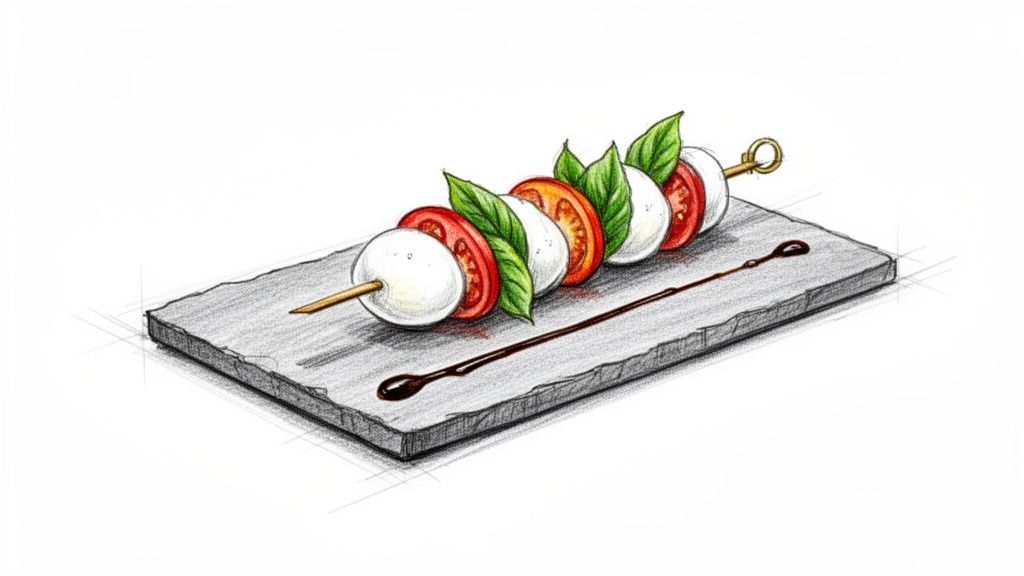
There is a simple elegance to food that celebrates the season. Caprese skewers, with their fresh mozzarella, ripe tomatoes, and fragrant basil, offer a light and refreshing bite that feels both thoughtful and effortless. They bring a touch of garden-freshness to the cocktail hour, especially for events held along the river during our warmer months.
This idea is less about a single recipe and more about a philosophy of using what is best at the moment. It is a quiet way to connect your celebration to the season and the natural beauty of our surroundings here in Iowa.
Why this idea often works
Seasonal bites like Caprese skewers are a welcome choice for spring and summer weddings. They are naturally colorful, easy for guests to handle, and provide a bright counterpoint to richer passed appetizers.
Their simplicity allows the quality of the ingredients to be the focus. Sourcing heirloom tomatoes from local Iowa farms or featuring a beautifully made local cheese elevates the offering from a simple snack to a true taste of the region. It’s a subtle nod to the community that guests notice.
A few things to consider
- Peak Freshness: The success of this idea depends on ingredient quality. It helps to source tomatoes and basil from a local farmers market at their peak.
- Prevent Sogging: Pat the mozzarella and tomato dry before assembling the skewers. This keeps them from becoming watery. A light drizzle of aged balsamic just before serving is all they need.
- Timing is Important: These are best assembled no more than 30 minutes before guests arrive to ensure the basil stays vibrant.
- Think Seasonally: Beyond the classic Caprese, consider other seasonal variations. A spring version might feature fresh peas and mint, while a fall bite could incorporate roasted squash.
These types of fresh, simple displays share a similar appeal with many popular appetizers for a bridal shower, where lightness and presentation are key.
Is there a choice that works for a brunch wedding?
There is a comforting elegance to a warm, savory pastry. Mini quiches and tarts feel substantial yet refined, offering a classic taste that is both satisfying and easy for guests to handle. They bring a touch of French bistro warmth to the cocktail hour.
These individual bites are incredibly versatile. They can be filled with anything from classic bacon and cheese to more delicate combinations of spinach and feta or mushroom and herbs. This adaptability allows them to feel right at home at a morning wedding reception or a cozy evening celebration.
Why this idea often works
Mini quiches and tarts are a practical choice for events that span different times of day. They are just as delicious served warm as they are at room temperature, which gives your timeline a great deal of flexibility. They are often featured at brunch-style weddings, where they bridge the gap between breakfast and lunch flavors beautifully.
The flavor profiles can also reflect the season. Think of quiches filled with asparagus and goat cheese in the spring or roasted butternut squash and sage in the fall. It is a simple way to tie your menu to the time of year your celebration takes place.
A few things to consider
- Offer Variety: It helps to provide two or three different fillings. A classic meat option, a vegetarian choice, and a more unique flavor gives everyone something to enjoy.
- Keep Them Warm: While lovely at room temperature, they are especially comforting when warm. They can be kept in a low-temperature oven to ensure they are served just right.
- Plan Accordingly: These are more substantial than other hors d'oeuvres. It helps to plan for about two to three pieces per guest.
- Simple Service: Serve them on platters with small cocktail napkins. Their self-contained nature means guests do not need plates or forks.
Letting the Day Settle In
After all the planning and conversations, the cocktail hour arrives. It’s often the first moment on a wedding day when time seems to slow down. I’ve watched hundreds of couples take their first deep breath during this time, standing just out of sight, listening to the gentle hum of their guests enjoying themselves. This is the part of the day meant for settling in.
The specific food you choose matters, but its real purpose is simpler. It is a gesture of welcome. Whether it’s a simple Caprese skewer or a warm bacon-wrapped date, the food you serve is a quiet way of saying, “We’re so glad you’re here. Please, relax and enjoy this moment with us.” It fills the space between the ceremony’s gravity and the reception’s energy, giving everyone a chance to arrive.
Remembering the Purpose
When you look back on the choices we’ve explored, it helps to remember that the goal is not to create a spectacle. The goal is to create comfort. The most successful cocktail hours are the ones where guests feel attended to but not overwhelmed. They can find a drink easily, there is something delicious within reach, and they can focus on conversation.
Couples sometimes feel a pressure to offer something novel. But often, the most memorable bites are the familiar ones. A perfectly executed slider or a classic shrimp cocktail can feel more reassuring than an overly complicated dish. These choices reflect a quiet confidence. They signal that you trust the atmosphere and the company to be the main attractions. The food is there to support the moment, not to define it.
Finding Clarity
As you move forward, the most helpful step is to think about the overall feeling you want to create.
- Consider the Flow: Think about how guests will move through the space. Will a large grazing table encourage mingling, or will passed appetizers make it easier for people to stay in their conversational circles? There is no single right answer.
- Trust Your Instincts: Choose food that you genuinely love. Your own enjoyment will translate to your guests.
- Talk to Your Coordinator: This is where experience becomes valuable. A good coordinator has seen what works in the space, what combinations are most popular, and how to time everything so it feels seamless.
The best cocktail hour food ideas are the ones that allow you and your guests to simply be present. The purpose of this hour is to create a soft landing, a gentle transition that allows the day to settle. It’s a moment to let the beautiful weight of the ceremony sink in and to anticipate the joy of the evening ahead. The details you choose are simply the tools you use to build that feeling of ease.
When you are ready to talk through what these ideas might look like for your day, we are here. The team at The Merrill Hotel has helped hundreds of couples design a cocktail hour that feels just right, ensuring every detail contributes to a sense of calm and welcome. You can learn more about how we approach these moments at The Merrill Hotel.