
The ceremony has ended. The speeches are over. The dance floor is quiet now, and the room feels different in the morning. This is when people finally exhale.
The next-day brunch often decides how the whole event is remembered. Guests aren't rushing through a formal timeline anymore. They're talking softly over coffee, trading stories from the night before, and stretching the gathering just a little longer. For couples planning a large wedding weekend, especially those comparing a wedding venue near Chicago for multi-day celebrations, or for teams organizing a retreat at an event venue in the Quad Cities, brunch matters more than people expect.
It also changes the planning math. A catering cost guide notes that brunch for 50 people typically ranges from $500 to $4,500 depending on service style, menu choices, and location, with formats such as drop-off, buffet, plated service, and food-truck catering shifting the budget in very different ways, and a mid-range event landing around $80 per guest, or about $4,000 for 50 guests, according to this brunch catering cost breakdown. That's why strong brunch catering ideas start with format, not just flavor.
At a venue like The Merrill Hotel in Muscatine, that final meal can feel polished without becoming stiff. It can support a destination-style wedding weekend for Chicago families, a relaxed farewell after a reception, or a calm close to a corporate gathering. The best version feels easy for guests and controlled for the host. That balance is what matters.
1. Farm-to-Table Breakfast Buffet
A farm-to-table buffet works best when the room needs warmth, movement, and freedom. People can take what they want, return for more, and linger without waiting on a service sequence. For a wedding venue hosting guests from Chicago, Davenport, Bettendorf, Moline, or Rock Island, that kind of ease matters the morning after a long celebration.
This format also makes regional identity feel natural. Fresh fruit, seasonal vegetables, artisan bread, potatoes, eggs, and two or three proteins give guests enough range without turning the buffet into a crowded puzzle. The plate feels familiar, but not flat.
What makes it work
A good buffet isn't about abundance alone. It's about pacing and appearance. Trays should look fresh throughout service, not just at the opening moment.
- Seasonal produce first: Use fruit and vegetable selections that fit the season so the buffet feels grounded and not overbuilt.
- Balanced proteins: Offer a few clear choices, such as one pork option, one poultry option, and one vegetarian protein, so guests don't feel boxed in.
- Visible labels: Mark ingredients clearly. That helps guests with dietary preferences move confidently and keeps the line moving.
- Flow before flair: Set the station so plates, mains, sides, and beverages follow a simple path.
At a large wedding venue or reception venue, buffets also reduce the stiffness that can creep into a farewell gathering. People sit with cousins they didn't get enough time with. Coworkers drift into side conversations. Children can eat quickly and get back to being restless. The room feels alive in a quiet way.
Practical rule: If guests need to ask where to start, the buffet is arranged poorly.
For couples considering a luxury wedding venue or all-inclusive wedding venue, this style is especially useful because it can feel refined without becoming formal. Local breads, regional dairy, and fresh preserves do more work than overly intricate brunch dishes ever will. If you want a clearer sense of how this style feels at The Merrill, the hotel's approach to a brunch buffet experience shows the appeal of a relaxed but polished setup.
2. Plated Brunch Service with Multi-Course Progression
The morning after a long celebration has its own pace. Guests arrive pressed and polished, but a little slower than they did the night before. A plated brunch gives that energy a shape.
This format works best when the host wants the room to stay together. At a high-level corporate retreat, that can mean keeping teams at the table long enough for closing remarks to land well. At The Merrill Hotel, it also suits destination weddings and multi-day Indian wedding weekends for Chicago families who want one hosted meal that feels calm, orderly, and fully attended.
Plated service changes guest behavior right away. People stop scanning the room for a line. They sit down. They notice the view, the table, the person across from them. The event feels directed without feeling stiff.
A multi-course progression keeps brunch from turning heavy too early. Start with fruit, yogurt, or a pastry course that arrives fast and buys the kitchen time. Follow with a composed savory plate. Finish with coffee, tea, and a small sweet when conversation has settled and nobody needs to stand up again.
Where plated service earns its keep
This style is a strong fit when timing matters as much as food. It works well in a riverfront ballroom with natural light, in a private event room hosting a leadership gathering, or in a wedding weekend schedule where transportation, photo timing, and departures all need to stay on track.
It also solves a planning problem that buffets cannot always solve. Everyone is served on the same beat. That matters when grandparents, executives, wedding party members, and out-of-town guests all need a smoother morning.
Technomic notes that consumers continue to seek memorable dining occasions, not just convenient ones, in its foodservice industry trend analysis. That is one reason plated brunch remains useful. It turns breakfast into part of the event program, not a break from it.
A few decisions keep the service polished and realistic:
- Keep entrée choices tight: Two or three selections usually protect service speed and kitchen consistency.
- Course for stamina: Rich plates slow a room down. Lighter first courses and balanced mains keep guests comfortable through speeches, departures, or another event later in the day.
- Stage coffee with intention: Coffee belongs near the conversational lull, after plates are cleared and guests are ready to linger.
- Match the room to the service: Formal plated meals need table spacing, server paths, and pacing that support them. The Merrill's approach to wedding food stations and catered event service styles is a useful contrast when you are deciding whether seated service or a more flexible format fits the event better.
For hosts comparing brunch formats at a luxury riverfront venue, plated service is often the right call when the goal is presence. The Merrill's Sunday brunch menu style shows the kind of measured pacing that makes this approach work.
A plated brunch tells guests the morning still matters.
3. Interactive Stations and Grazing Tables
The room feels different after the first cup of coffee. Guests are awake, dressed, and ready to move a little. That is the moment interactive stations earn their place.
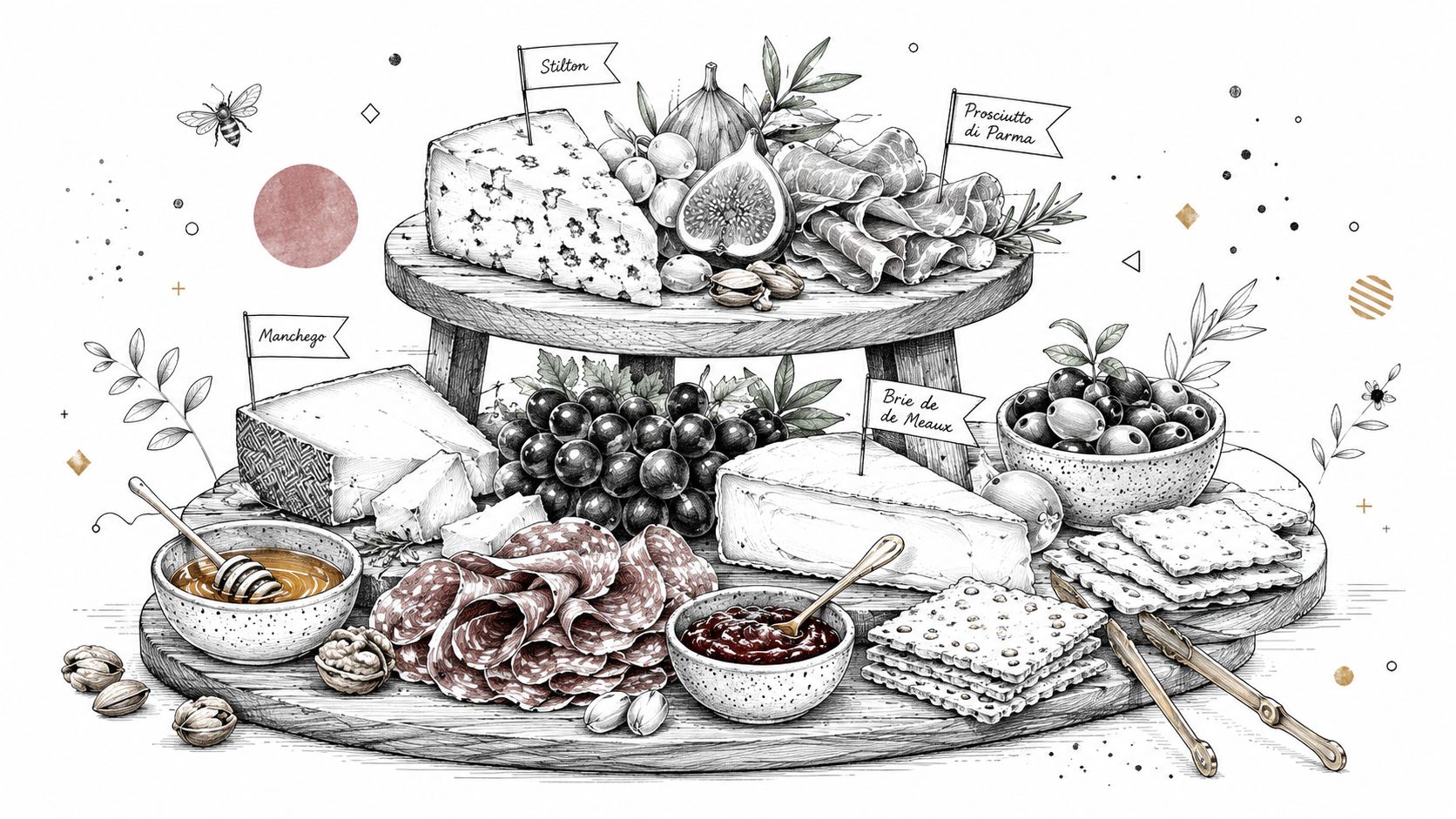
This format works because it changes the guest experience, not just the menu. At a riverfront property like The Merrill Hotel, stations give people a reason to circulate, pause at the windows, and fall into smaller conversations instead of staying fixed at one table. For corporate retreats, that usually means easier networking. For destination weddings, it gives families from different sides of the guest list a softer way to meet. For large multi-day Indian weddings near Chicago, it respects a truth planners learn fast. Not every guest wants to eat on the same schedule.
A grazing table handles that rhythm well. Grandparents may start with fruit and tea. Younger guests often go straight to savory bites. Children circle back for pastries. Nobody feels rushed, and nobody has to wait for the whole room to move together.
The best versions stay edited. A station-heavy brunch does not need ten ideas fighting for attention. It needs a few strong anchors, then enough contrast to keep the table useful over the full service window. Charcuterie and cheese. Yogurt with granola and fruit. Mini pastries. Toast points with spreads. One hot station if the staffing and replenishment plan can support it. For wedding weekends with South Asian guest lists, adding familiar items such as fruit chaat or a dosa-inspired bite often matters more than adding another generic brunch tray. Guests notice when the menu recognizes them.
Design the room, not just the spread
Stations succeed or fail on traffic flow. Food matters, but movement matters first.
Set taller pieces toward the center so sightlines stay open. Separate sweet and savory stations enough that one line does not swallow the room. Label dishes clearly, especially for vegetarian, gluten-aware, and nut-sensitive guests. Refill in smaller batches so the display stays fresh and composed instead of looking picked over halfway through service.
Familiar brunch items still belong here, as noted earlier. The mistake is treating the table like a pileup of standards. A good station layout gives those familiar items shape and order. Guests should understand where to begin, where to pause, and where to return for seconds.
Timing also changes what belongs on the table. Some foods hold beautifully for an extended brunch reception. Others fade fast under lids or lamps. Parfaits, pastries, room-temperature tea sandwiches, and composed fruit displays tend to stay attractive longer than delicate fried items or egg dishes that need constant attention. That trade-off matters at hotel events where service may stretch while guests mingle, take photos, or move between wedding weekend programming.
If you are considering this format for a celebration at The Merrill, its approach to wedding food stations and event service styles shows how station service can feel organized, warm, and calm instead of crowded.
4. Global Flavors Breakfast Taco and Burrito Bar
Late in a wedding weekend, this format often brings the room back together. Guests arrive on different schedules. Some want a quick bite before photos or checkout. Others are ready for something more filling after a long night of celebration. A breakfast taco and burrito bar handles both without making service feel flat or overly casual.
That range matters at The Merrill Hotel. For a large multi-day Indian wedding with Chicago family flying in, brunch needs to accommodate different appetites, spice preferences, and pacing. For a corporate retreat, the same setup keeps people moving and talking instead of waiting through a slower plated service. For destination weddings across the Midwest, it gives couples a familiar format with enough personality to feel considered.
Best fit for mixed groups
Guests understand the bar at a glance. Tortillas, bowls, eggs, potatoes, beans, vegetables, cheeses, salsas, and proteins create a meal people can adjust to their own appetite. Some build one neat taco and head back to the table. Some stay longer and make a full plate. That flexibility is the main advantage.
It also solves a planning problem. Brunch can stall when one menu has to satisfy grandparents, children, vegetarian guests, and attendees who want stronger flavors or a more substantial meal. This setup gives each group a clear path through the line.
Industry analysts continue to track strong growth in catering, especially in workplace and event dining, as noted in IBISWorld's U.S. Caterers industry research. That broader demand favors formats that are easy to repeat, easy to staff, and easy to scale across different event types. A well-built taco and burrito bar fits that standard.
A polished version depends on restraint. Too many fillings slow the line and muddy the look of the station. Too few make the bar feel generic.
A few choices keep it controlled:
- Set the build path clearly: Start with tortillas or bowls, then eggs and proteins, then vegetables, cheeses, and sauces.
- Separate mild from spicy options: Guests should know what they are choosing without asking at every pan.
- Keep wet toppings at the end: Salsas, crema, and hot sauce hold better there and protect texture.
- Add one cooling element: Sliced fruit, avocado, or a lime crema balances richer ingredients.
- Choose proteins with holding power: Chorizo, braised meats, and seasoned beans usually fare better over service than delicate egg-heavy combinations.
For hosts comparing formats, this option works best when the goal is relaxed energy with clear operational control. It feels social. It photographs well. It gives guests choice without creating the visual clutter that can creep into more complicated brunch displays.
5. Brunch Cocktail Bar Experience
The room has shifted by late morning. Jackets are off. Families have settled in. People are deciding whether brunch is a pause, a sendoff, or one more hour together. That is the moment a cocktail bar either helps the event or pulls it off course.
At The Merrill Hotel, a brunch cocktail bar works best as a pacing tool. It gives the meal a center point and tells guests how to use the hour. For a destination wedding with Midwest guests who stayed overnight, that may mean a bright mimosa service by the windows facing the river. For a Chicago family hosting a multi-day Indian wedding, it may mean skipping alcohol entirely and building the same visual structure with fresh juices, spiced chai, and a few polished zero-proof options. For a corporate retreat, it usually means one hosted cocktail and a serious coffee setup, so the brunch still feels social but stays business-aware.
The trade-off is simple. A bar adds energy, but it also changes how long people linger and how much staffing control you need. That matters.
Use drinks to set the pace
The strongest version stays edited. Two cocktails are enough. A classic mimosa and a restrained Bloody Mary bar usually cover the room. Keep the garnishes neat, the glassware consistent, and the line short. Put composed bites nearby so guests can eat first or carry both at once without awkward juggling.
Food has to support the format. Smoked fish, deviled eggs, biscuit sandwiches, breakfast potatoes, fruit, and smaller pastry pieces hold up better than fragile plated items. The goal is movement with comfort, not a crowded bar scene.
For corporate groups, budget discipline matters as much as presentation. Industry reporting from Fooda's State of Workplace Food report points to continued employer investment in food programs that improve attendance and guest experience. In practice, that makes a limited beverage package easier to justify than a full brunch bar, especially for executive offsites and hosted client events.
A cocktail bar is often the right fit for:
- Destination weddings: It gives traveling guests one last hosted moment before departures begin.
- Multi-day wedding weekends: It can mark the emotional shift from formal celebration to relaxed farewell, if the family wants that tone.
- Corporate retreats: A measured beverage service helps networking feel warm without letting the brunch drift.
Keep the menu short. Strong nonalcoholic choices, attentive service, and food placed within reach usually do more for the guest experience than a long drink list.
Used well, a brunch cocktail bar is not about adding alcohol. It is about giving the event a clear finish. Guests feel it right away. The room softens. Conversations slow down. People stay present a little longer, then leave in a good mood.
6. Wellness-Focused Brunch Experience
Some groups don't want a recovery brunch. They want a reset. That's a very different feeling.
A wellness-focused brunch works well after a multi-day celebration, a leadership retreat, or a corporate event where guests are trying to stay clear-headed. The food should feel clean and generous, not spare. Yogurt parfaits, fruit, grain bowls, egg-based dishes with vegetables, lighter breads, plant-forward sides, and fresh juices all belong here. The room feels brighter when the menu does.
Inclusive menus need intention
This is also where dietary planning becomes visible. A menu can't feel welcoming if half the room has to decode every tray. Labels matter. So does modular design.
The CDC estimates that 6% of U.S. adults have a food allergy, and brunch planning often overlooks how to serve vegetarian, vegan, gluten-free, dairy-free, or halal and kosher-adjacent preferences in one cohesive menu, as discussed in ezCater's brunch catering planning notes. The smartest approach is one base menu with flexible components. Roasted vegetables. Separate sauces. Distinct proteins. Clearly marked breads. Shared sides that work for many guests, not just a few.
That matters for a cultural wedding venue, an Indian wedding venue near Chicago, or any large wedding venue where guests arrive with varied needs and expectations.
A wellness brunch doesn't have to feel austere. In fact, it shouldn't.
- Lead with flavor: Herbs, citrus, chutneys, and spice blends keep lighter food from feeling flat.
- Keep one comfort item: A single richer pastry or potato dish helps the menu feel hospitable.
- Use natural light well: In a bright room, fresh food feels even more appealing.
Guests notice when a healthy menu still feels generous. They notice even more when it doesn't.
7. Southern-Inspired Comfort Brunch
Some mornings call for softness, not restraint. Southern-inspired comfort brunch does that well.
Biscuits, gravy, fried chicken, eggs, roasted potatoes, fruit, and something sweet on the side create an immediate sense of welcome. It's familiar, filling, and emotionally clear. Guests know what kind of meal they're walking into. They can relax.
Rich food needs restraint in the right places
This format works best when the host avoids excess. One rich item is memorable. Five rich items feel heavy. If the menu includes biscuits and gravy, pair it with bright fruit, greens, or a lighter egg dish. If fried chicken is on the table, keep the pastry offering modest. Comfort needs contrast.
Brunch economics are also important. Existing brunch content often focuses on novelty but skips the reality of controlling spend, waste, and staffing. A smarter approach is high-impact brunch with low-complexity execution, especially when premium add-ons can quickly erase brunch's reputation for affordability, as discussed in Messina's brunch catering ideas overview. Southern comfort food can be a disciplined choice if the menu is edited carefully and prepared in batches that hold well.
For a large wedding venue or all-inclusive wedding venue hosting a day-after gathering, this style has another advantage. It feels communal. People pass plates. They compare favorites. The atmosphere softens.
It's especially strong for:
- Family-centered wedding weekends
- Cool-weather brunches
- Guest lists that want something recognizable and hearty
Done well, Southern brunch feels generous, not overdone. That's the line to hold.
8. Doughnut and Coffee Bar Display
The morning after a packed wedding weekend has its own mood. Some guests are dressed and ready at 7:30. Others drift in later, coffee first, suitcase still by the door. A doughnut and coffee bar suits that kind of event because it respects uneven timing without making the gathering feel thin.
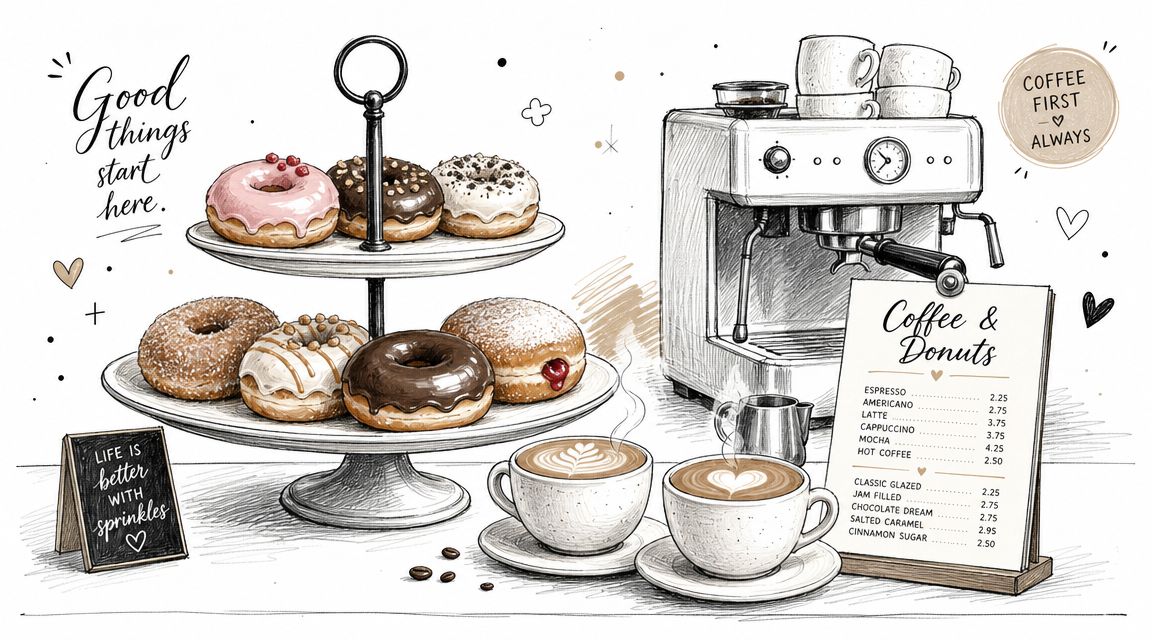
At The Merrill Hotel, this format works best as a hospitality decision, not a budget shortcut. The display can carry a departure morning for Midwest destination weddings, a pause between events during a multi-day Indian wedding, or a concise reset before a corporate retreat agenda begins. The point is not to replace a full brunch. The point is to match the pace of the day.
Best for short-format gatherings
A good version feels edited. Fresh doughnuts in a few distinct styles. Coffee that is strong, hot, and replenished without delay. Enough savory food to keep the table from reading as dessert. Mini egg sandwiches, yogurt cups, fruit, or small quiches usually do the job.
That balance matters.
Guests read the spread quickly. If they see only sugar, they assume the host cut the meal short. If they see care in the coffee service, clean styling, and one or two savory supports, the setup feels intentional. The experience lands differently.
This is also one of the more practical formats for event teams managing staggered attendance. Industry reporting from the National Restaurant Association has noted continued consumer demand for convenience, portability, and flexible off-premises meal formats, all of which support compact brunch setups that guests can approach on their own schedule. That makes this style useful for corporate mornings and farewell gatherings where arrivals come in waves rather than all at once.
For hotel and venue planners, packaging has become part of the decision too. The International Fresh Produce Association has also highlighted how grab-and-go breakfast patterns continue to shape catered morning service, especially when hosts want shorter dwell times and easier movement through the room. In practice, that means the display should be laid out for quick access first, conversation second.
A doughnut and coffee bar is a good choice when:
- Guest departures happen over several hours
- The main celebration the night before was large and late
- The host wants lower staffing pressure without looking sparse
- The room needs a polished visual focal point more than a long meal
Used well, this option gives guests a soft landing. They get one good cup of coffee, something warm and familiar, and a little room to breathe before the day starts again.
Brunch Catering: 8-Option Comparison
| Option | 🔄 Implementation complexity | ⚡ Resource requirements | 📊 Expected outcomes | ⭐ Key advantages | 💡 Ideal use cases |
|---|---|---|---|---|---|
| Farm-to-Table Breakfast Buffet | Moderate–High; station setup and coordination | Local farm partnerships, expanded kitchen/station space, moderate staffing | Fresh high-quality plates, strong local-brand goodwill | Supports local suppliers; flexible for diets; interactive | Day-after wedding brunches, relaxed destination events |
| Plated Brunch Service with Multi-Course Progression | High; precise timing and experienced service team | Higher labor and cost per guest, trained servers, detailed plating | Formal, memorable dining; elevated presentation | Polished experience; menu customization; controlled pacing | Intimate luxury weddings, executive retreats |
| Interactive Stations & Grazing Tables | Moderate; visual design and flow planning required | Multiple themed stations, design skill, ongoing replenishment | High guest engagement; scalable visual impact | Accommodates diverse diets; encourages mingling; scalable | Large weddings, multi‑day cultural events |
| Global Flavors: Breakfast Taco & Burrito Bar | Moderate; prep staging and line management | Significant counter space, warmers/chafing dishes, ingredient prep | Lively, broad-appeal dining; efficient service flow | Highly interactive; quick service; easily adapts for diets | Casual day-after brunches, family reunions, younger crowds |
| Brunch Cocktail Bar Experience | Moderate–High; licensing and trained mixologists needed | Full bar setup, trained bartenders, higher per-guest alcohol cost | Premium celebratory atmosphere; increased perceived value | Signature cocktails boost brand; sophisticated appeal | Upscale wedding brunches, executive and milestone events |
| Wellness-Focused Brunch Experience | Moderate; requires culinary expertise in healthy cooking | Specialty plant-based ingredients, trained chefs, clear labeling | Appeals to health-conscious guests; venue differentiation | Covers many dietary needs; modern, sustainability-aligned | Corporate wellness retreats, millennial/Gen‑Z weddings |
| Southern-Inspired Comfort Brunch | Moderate; skill required for key dishes (biscuits, fried chicken) | Skilled kitchen staff, regional proteins, moderate cost | Warm, nostalgic guest experience; broad appeal | Distinctive and memorable; strong storytelling | Casual post-wedding brunches, family reunions |
| Doughnut & Coffee Bar Display | Low–Moderate; simple setup but needs quality sourcing | Artisan pastry supplier or in-house pastry team, espresso equipment | Highly visual/social shareable; light, casual offering | Cost-effective; strong visual impact; scalable | Welcome events, casual brunches, supplement to larger spreads |
Making Your Brunch Unforgettable
The best brunch catering ideas don't begin with trends. They begin with the feeling you want the room to hold at the end of the event.
A farm-to-table buffet feels open and easy. A plated brunch feels composed. Stations keep people moving. A taco bar brings energy. A cocktail-focused brunch extends celebration. A wellness menu resets the pace. Southern comfort offers softness. A doughnut and coffee display keeps things light and flexible. None of these formats is automatically better than the others. The right choice depends on the guest list, the event timeline, and how the host wants people to leave.
That's especially true for wedding weekends. Couples searching for a wedding venue in Muscatine, Davenport, Bettendorf, Moline, Rock Island, or a destination-style option for Chicago families often spend most of their energy on the ceremony and reception. The brunch is treated as an add-on. In practice, it often becomes the closing scene everyone remembers with the most clarity. It's quieter. Less performative. More human.
The same applies to corporate gatherings. A retreat brunch can either feel like an afterthought or a calm final point of care. Guests notice the difference. They notice whether the food was easy to access, whether dietary needs were handled gracefully, whether coffee arrived at the right time, and whether the room invited them to stay a little longer.
At The Merrill Hotel, brunch can be part of a broader event experience that includes indoor and outdoor gathering spaces, custom menu planning, and support for full wedding weekends, corporate events, and family celebrations. For hosts comparing a luxury wedding venue, an Indian wedding venue near Chicago, a large wedding venue, or an all-inclusive wedding venue with room for a complete weekend, that flexibility matters.
The strongest brunch doesn't try to do everything. It does a few things well. It matches the pace of the morning. It suits the people in the room. It gives the event a graceful ending instead of an abrupt one.
If you're choosing among brunch catering ideas now, trust the quieter signals. Think about line flow. Seating. Dietary comfort. Staffing. How long the food needs to hold. How much energy your guests will have. Those decisions shape the experience more than any single dish ever will.
If you're planning a wedding weekend, corporate retreat, or private celebration in Muscatine or the Quad Cities, The Merrill Hotel offers event spaces and custom catering support that can help turn brunch into a thoughtful final chapter.