
There is a point in planning when the lists can start to feel endless. A bridal shower, meant to be a moment of ease and connection, can suddenly feel like one more source of pressure. I have seen it many times. The quiet questions about who to invite, what to serve, and when to send things out can become louder than the purpose of the gathering itself.
A good bridal shower plan is not meant to be a set of rigid rules. It is simply a way to quiet the noise. It helps you see what comes next, one small step at a time, so you can breathe and remember what this day is for. The goal is to gather with people who care for the bride-to-be before she takes this next step in her life. It is about creating a space for warmth and conversation, not just checking items off a list.
This guide is built from watching many of these days unfold. It follows a natural flow, from securing a date and a space, like one of our rooms overlooking the Mississippi River, to the final, small details that make guests feel welcomed. It can help to walk through the order of things, gently.
When should we choose a date and a place?
The first quiet decision is often the most important: choosing when and where the shower will happen. This step sets the foundation for everything else, from who can attend to the overall feeling of the day. It helps to start by consulting the bride and a few key guests, like mothers and close family, to find a date that works for them. Once you have a few options, you can begin looking at venues.
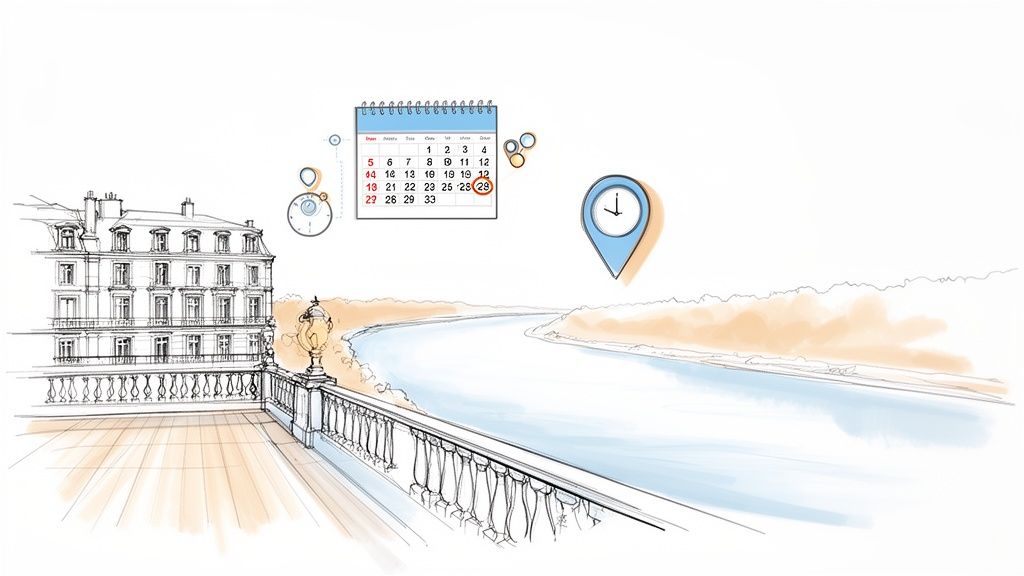
Booking your venue about two to three months in advance usually provides a good selection of dates, especially for popular Saturday afternoons. I have found, though, there is a certain charm to less traditional times. A Friday or Sunday brunch can feel more relaxed and may offer more availability. Here along the river, the seasons also play a role. Spring and fall weekends in Muscatine bring beautiful, mild weather, which is something to consider if you are exploring different bridal shower venue ideas with indoor and outdoor spaces.
When you secure your space, it anchors the entire plan. Knowing your location allows you to visualize the flow of the event, plan the menu, and coordinate the decor. If you are expecting guests from out of town, it is also wise to ask about guest room blocks when you book. This simple step ensures everyone can be comfortable and close by, making the celebration feel more connected and less hurried.
How do we handle guests and invitations?
With the date and location settled, the next quiet step is deciding who will share in the celebration. This involves more than just a list of names. It is about creating a warm, welcoming circle for the bride. Consulting her is the best place to start, as she knows who she would most love to have there. From there, you can think about how to gather everyone together and make them feel comfortable, especially those traveling.
Sending invitations about six to eight weeks before the shower gives guests enough time to arrange their schedules. A printed invitation can set a lovely tone. For a more relaxed get-together, a digital invitation works just as well. What matters is that the information is clear. It is helpful to request RSVPs about two weeks before the event, which allows for final, unhurried adjustments with your caterer. When you are finalizing your wedding guest list, you can often pull from that to build the shower list.
For guests coming from areas like Chicago or the Quad Cities, arranging accommodations turns a simple shower into a relaxed weekend. Securing a block of hotel rooms three to four months in advance is a thoughtful gesture. It is wise to include the booking link and deadline directly on the invitation. This small detail removes a layer of stress for travelers, allowing them to focus on the celebration itself.
What about the food and drinks?
The menu is where the bride’s personality and the shower’s theme can come to life. This part of the plan is less about logistics and more about creating a shared experience around flavors and conversation. The food and drinks set the tone, whether it is a relaxed brunch, a refined afternoon tea, or a lively cocktail-style gathering. It is a quiet way to show guests they are cared for and to honor the bride’s tastes.
It is helpful to schedule a menu tasting about four to six weeks before the event. This gives you time to make thoughtful decisions without feeling rushed. You can discuss everything from seasonal ingredients to specific dietary needs, ensuring every guest has something to enjoy. This is also the time to consider interactive elements. A mimosa bar or a beautifully arranged dessert display can become a natural gathering point. You can find more inspiration by exploring different ideas for appetizers for a bridal shower, which often serve as the first impression.
Finalizing the menu anchors the event's timeline. A plated meal often requires a more structured schedule, while a buffet or station-style service allows for a more fluid pace. Coordinating bar service, perhaps with a signature cocktail named after the couple, adds another personal layer. These small, intentional choices are what guests often remember.
How do we decide on a theme?
Choosing a theme and decor is less about creating a spectacle and more about setting a mood. It is the visual language that makes the day feel intentional and personal to the bride. This part of planning is a chance to reflect her style, whether through a color palette borrowed from her wedding or a theme that speaks to a favorite memory. It helps to start with a single guiding idea and let other decisions flow from there.
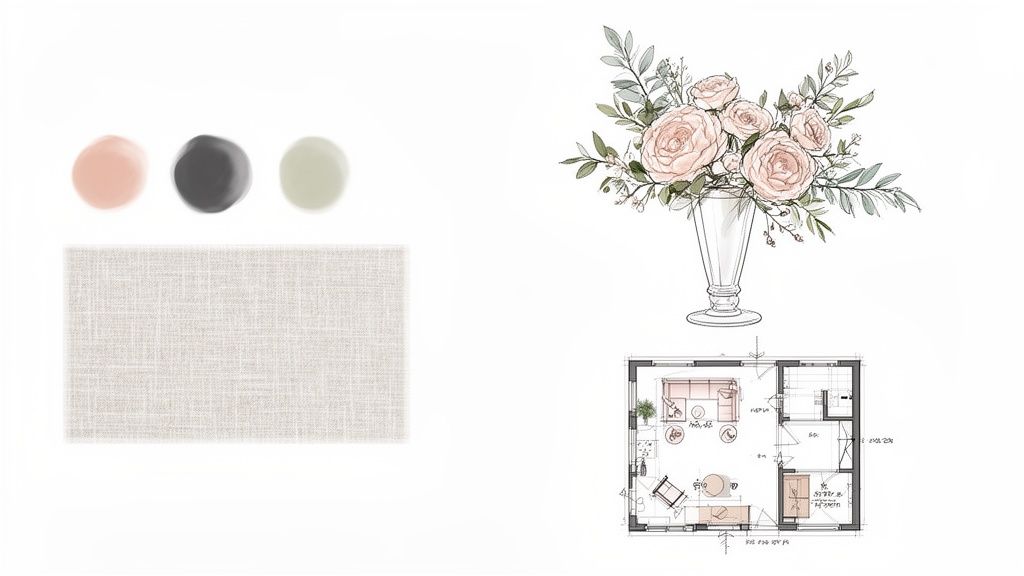
When a space has its own character, like our rooms overlooking the river, the decor does not need to work so hard. The view itself becomes part of the experience. I have seen that the most memorable designs are often the simplest. A garden-inspired brunch with blush florals feels right with the natural light, while a modern theme with clean lines allows the riverfront scenery to remain the focus. The goal is to complement the venue, not compete with it.
It is wise to visit the space during the day to see how the light falls. This will help you choose colors that feel right. It also helps to consider the flow of the room when placing decorations, ensuring guests can move easily. A few well-placed floral arrangements or elegant linens can do more to elevate a room than many smaller, disconnected items.
Should we plan games and activities?
The heart of a shower often lies in the shared moments of laughter and connection. Thoughtfully planned activities create a gentle rhythm, giving guests a way to mingle and celebrate the bride without feeling forced. It is less about filling every minute and more about creating opportunities for conversation to start naturally. The goal is to balance engagement with the simple comfort of being together.
It helps to choose just two or three activities that suit the bride’s personality. Some prefer classic games like wedding trivia, which are always good for a smile. Others might enjoy something more interactive, like a photo booth or a station where guests can share a written memory for the couple. Here along the river, when the weather is mild, simple lawn games on the patio can be a welcome way for guests to stretch their legs and enjoy the view.
The key is to avoid an over-packed agenda. Build in plenty of downtime for guests to simply talk, enjoy their food, and watch the bride open her gifts. Placing activities during natural lulls, such as when guests are first arriving or after the main meal, helps the day feel seamless. Having small prizes for winners can add a touch of fun, but the real reward is the warmth felt in the room.
How do we create a schedule for the day?
Once the major decisions are in place, the focus shifts to the flow of the day itself. A thoughtful timeline is what transforms a collection of plans into a smooth, enjoyable experience. This step involves mapping out the celebration hour-by-hour, ensuring that each part transitions gracefully into the next without feeling rushed. It is the quiet framework that allows everyone to relax and be present.
Creating this schedule often works best when you plan backward from the shower's end time. For a two-hour brunch, this might mean allocating time for arrival, a seated meal, a few lighthearted activities, and finally, cake and toasts. Building in small, 10- to 15-minute buffers between key moments is a detail that makes a significant difference, allowing for natural conversation to unfold.
Finalizing the logistics a week or two beforehand brings a sense of calm. This includes a final walkthrough with the venue, confirming arrival times with all vendors, and assigning small responsibilities to a few trusted helpers. Having a designated person to oversee gifts or guide guests to their seats can be incredibly helpful. Providing a printed timeline to vendors and key helpers ensures everyone is aligned, allowing the day to proceed with an easy, unhurried pace.
Do we need a photographer?
Capturing the feeling of the day often becomes more important than people expect. While the shower itself is a fleeting afternoon, the photographs are what remain, holding the warmth and laughter of the occasion. Deciding how to document these moments is a quiet but meaningful part of the plan, ensuring the bride has memories to look back on.
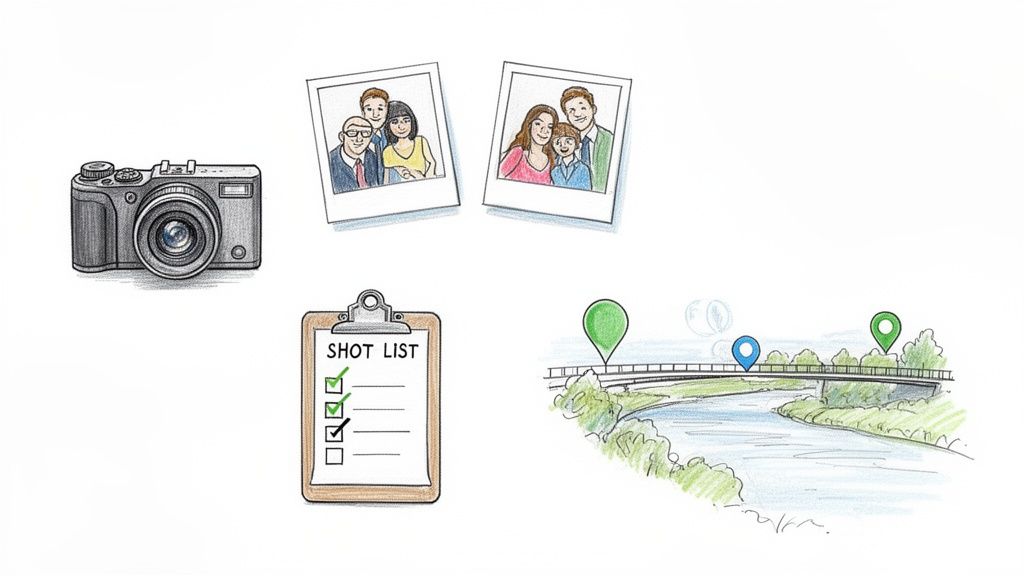
The approach can range from simple to elaborate. Sometimes, designating a family member to take photos is enough. Other times, hiring a professional for a few hours lifts the burden from guests and guarantees a certain quality. I have seen hosts hire a newer photographer for two hours of coverage to focus on candid moments and key events like gift opening. Another thoughtful approach is creating a unique hashtag and a small sign encouraging guests to share their pictures, which collects all the different perspectives.
Regardless of the method, a little planning helps. It is useful to book a professional about two to three months ahead of the shower. Providing them with a simple list of must-have photos, such as a picture with grandparents or a group shot, ensures no important combination is missed. Sharing the day's timeline with them allows them to be in the right place for toasts or games without interrupting the natural flow.
How should we handle the gift registry?
Handling gifts and registries requires a certain thoughtfulness. It is about making it easy for guests who wish to give a gift while keeping the focus on celebration, not obligation. This step involves setting up a registry if the couple wants one, sharing that information gently, and preparing a system for tracking gifts to make thank-you notes feel personal. It is a quiet background task that ensures both guests and the bride feel comfortable.
The current approach is often to offer a few options. A traditional registry for household items can be paired with something less conventional, like a honeymoon fund. It is helpful to set these up two to three months before the shower. The registry link itself is not typically printed on the main invitation but can be included on a separate details card or shared on a wedding website. This small separation maintains etiquette while providing the needed information.
What I have seen work best is creating a simple list ahead of time to track gifts. As gifts are opened, have a designated helper quietly note the gift and who it came from. This simple preparation transforms the thank-you process from a stressful task into a calm reflection of the day. A hand-written thank you note sent within two weeks of the shower, mentioning the specific gift, is a gesture that is always remembered.
What if the weather changes?
When you have a space with both indoor and outdoor access, the hope is often to use both. A cocktail hour on the patio or games by the river adds a layer of relaxed movement to the day. The only detail you cannot control is the weather, but you can certainly prepare for it. Planning for weather is less about fearing the worst and more about ensuring a sense of calm and continuity, no matter what the sky decides to do.
This part of the planning involves a simple conversation with your venue. Discussing a backup plan early means you have a clear path forward. For example, if your plan is for appetizers on our riverfront patio, the indoor equivalent might be a designated area near the windows, still offering beautiful views. The goal is for the transition to feel seamless, not like a compromise. It is wise to confirm the capacity of both the primary and backup spaces.
We usually suggest monitoring the weather forecast about five days out. A final decision can be made 24 to 48 hours before the event, giving vendors and staff ample time to adjust. This timeline removes any day-of stress, allowing you to focus on the bride and her guests. A well-thought-out contingency plan is a quiet gift to your future self.
What are the last things to do?
In the final weeks leading up to the shower, a sense of calm organization can make all the difference. This is the time for gentle reminders and final checks, ensuring that all your careful planning comes together smoothly. It is about confirming details not just for your own peace of mind, but to help your vendors and guests feel prepared. The goal is to move into the celebration with as few questions as possible left unanswered.
It is helpful to start confirming with vendors about two to three weeks out. This initial check-in allows time to address any adjustments. A final confirmation a week before, with an updated guest count, ensures catering and other services are aligned. For guests, a friendly reminder email about two weeks prior is always appreciated, especially for those traveling to Muscatine. It can include practical information like parking and lodging details.
Creating a day-of coordination sheet for the venue team is a small step that brings great clarity. This simple document, with a timeline and vendor contacts, ensures everyone is on the same page. It is also wise to brief anyone helping you, like family, on their roles a week before. Taking a moment to double-check that special accommodations are confirmed allows everyone to relax and enjoy the day. These final details are the quiet work that makes the celebration feel effortless.
Leaving Space for the Moment Itself
After the last vendor is confirmed and the final favor is tied, the most important task remains. It is the one that is not on any list. It is the act of letting go of the plan itself.
I have seen it happen hundreds of times. A host has a timeline printed, checking it every few minutes. They worry if the cake is late or if a game runs a little long. What they often miss, in these moments of management, is the very thing the plan was built for: the simple joy of the occasion.
The real purpose of a detailed bridal shower plan is not to create a rigid schedule. It is to build a foundation so solid that you, the host, can be fully present. It is the quiet, unseen work that clears the way for genuine connection. The lists and the logistics are the support structure, not the main event.
The True Purpose of Your Preparation
It helps to remember that your guests will not notice if a specific detail is out of place. They will not know if the music started three minutes late or if a floral arrangement is slightly smaller than the others.
What they will remember is the atmosphere. They will remember the feeling in the room. Was it relaxed? Was it warm and full of laughter? Did they have a chance to connect with the guest of honor and each other?
The most beautiful showers I have witnessed are the ones where conversations matter more than the decor, and where spontaneous moments of laughter are allowed to fill any gaps in the timeline. Your careful planning is what creates the freedom for those moments to happen.
The work you have put in, from selecting a venue that feels right to coordinating a menu everyone can enjoy, is what allows you to step back. When the day arrives, you have earned the right to put the checklist away. Your job shifts from planner to participant.
What It Means to Be Present
Being present means looking around the room and truly seeing the faces of the people who have gathered. It means listening to the stories being shared and noticing the small, happy moments unfolding. It means sharing in the anticipation and celebration of what is to come.
All the effort poured into your plan culminates in this. It allows you to greet people at the door without a list of tasks running through your mind. It allows you to sit with the bride-to-be, watch her open her gifts, and feel the genuine warmth of the day.
This celebration is a significant milestone, a pause before the next big chapter. Your planning has set the stage. Now, allow yourself and everyone else to simply live in the moment you so carefully created. The planning is just the quiet work that makes that feeling possible. The feeling itself is the entire point.